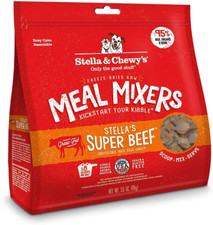
Purina Pro Plan, Hill's Science Diet, Royal Canin, Eukanuba — all formally meet AAFCO standards + conduct feeding trials with veterinary nutritionists on staff. Avoid 'grain-free' (FDA-linked to heart disease). Avoid boutique brands lacking veterinary nutritionists. Match formula to life stage (puppy, adult, senior) + breed size.
Where to buy dog food cheap?▾
Chewy with Auto-Ship (5-10% off recurring). Costco for Kirkland Signature (formulated by AAFCO standards, half the price of premium). Amazon for established brands. Avoid bargain unbranded brands — often contain inferior protein sources. Bulk buying saves but only if storage prevents staleness/pest infestation.
How much should I feed my dog?▾
Follow the feeding chart on food packaging by weight + activity level. Most healthy adult dogs need 25-30 calories per pound bodyweight daily (modify for activity). Puppies need more, seniors need less. Feed twice daily (morning + evening) vs free-feeding to prevent obesity. Adjust based on body condition score (BCS).
Wet vs dry dog food?▾
Dry (kibble): cheaper per calorie, dental benefits (chewing), easier to portion. Wet (canned): higher moisture content, more palatable for picky eaters or older dogs, more expensive. Most healthy dogs do fine on dry. Add wet food for: hydration, picky eaters, dental issues that make chewing painful.
Is grain-free dog food bad?▾
FDA has linked grain-free diets to dilated cardiomyopathy (DCM) — a serious heart condition. Only feed grain-free if specifically prescribed by a vet for a confirmed allergy (rare — most dog food allergies are to proteins, not grains). Grains in dog food are not harmful; the 'grain-free' marketing is mostly hype.
How often should I switch dog food brands?▾
Don't unless there's a reason. Consistent diet = consistent digestion. Switch when: changing life stage (puppy → adult → senior), vet recommends for health condition, current brand discontinues formula. When switching, do it gradually over 7-10 days (25/75, 50/50, 75/25) to prevent stomach upset.
 Wiki
Wiki