

What Modern IndyCar Safety Tech Actually Does
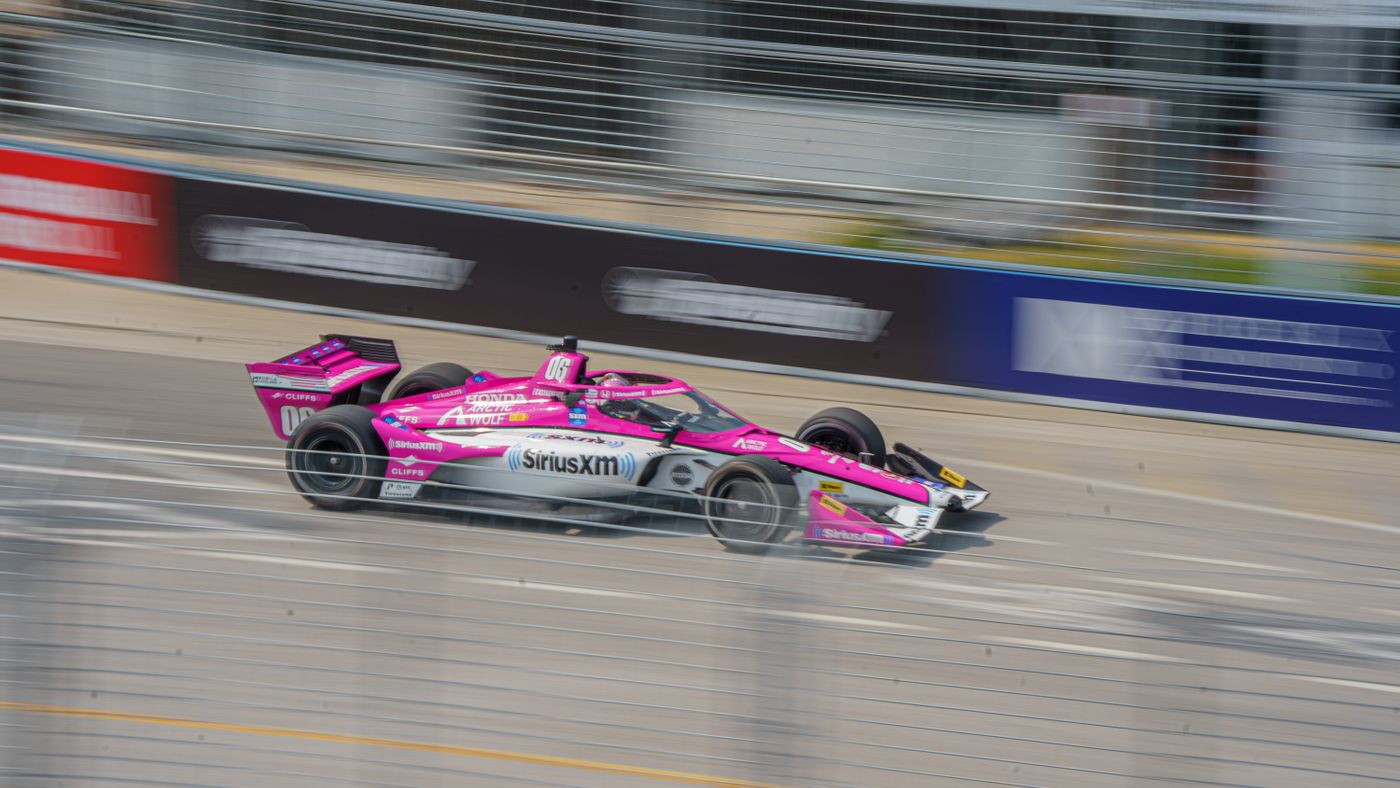
Crash forces in modern open-wheel racing dwarf what NASCAR drivers face. Three real innovations have cut driver fatalities to near-zero — and they're more boring than the marketing suggests.
The last IndyCar driver fatality at an event was in 2015. Before that, drivers died with alarming regularity. The change wasn't a single breakthrough; it was three boring engineering decisions, layered over a decade. Here's what actually saved lives.
One: the Aeroscreen
Introduced in 2020. A titanium frame with a polycarbonate windshield, sitting in front of the cockpit. Looks ugly. Stops debris that would have killed Justin Wilson in 2015 and Henry Surtees in 2009. The drivers initially hated it (visibility complaints). They no longer want it removed.
Two: HANS device (Head And Neck Support)
Adopted across motorsport in the 2000s. A semi-rigid collar that prevents the head from snapping forward in a frontal impact. Basilar skull fracture — the injury that killed Dale Earnhardt, Adam Petty, Tony Roper, and Kenny Irwin in 2000-2001 — became survivable. Consumer-grade HANS device versions are available for track-day drivers and autocross competitors.

Three: SAFER barriers
Steel and Foam Energy Reduction walls, introduced at IRL ovals in 2002. Absorbs ~40% of impact energy before transferring it to the driver. A 200-mph crash with a SAFER barrier is survivable; the same crash into a concrete wall historically was not.
The helmet tech that's mostly marketing
Modern helmets are excellent but the year-over-year improvements are marginal. The marketing copy implies revolutionary leaps; the real safety improvements are coming from the cars and the tracks, not from the helmets. The exception: SCHUTH and SCHUBERTH's newer composites which test better against penetrating debris — relevant after Felipe Massa's 2009 head injury from a spring.
What's still being worked on
Concussion management — the harder problem. Even with all of the above, drivers still get concussions in heavy impacts. The protocols for return-to-racing have tightened (in-event neurological exams, mandatory rest periods). But the data on chronic effects of repeated sub-concussive impacts in open-wheel drivers is still thin.

What translates to street safety
Wear your seatbelt. Tighten the headrest in your car (most are 4-6 inches lower than they should be to prevent whiplash). Don't buy a motorcycle helmet rated for less than DOT + Snell. A Garmin GPS watch tracking your driving habits via a connected app surfaces patterns most drivers don't realize they have. A dashcam is the street equivalent of motorsport's data recorder — silent until something happens, invaluable when it does.
The honest answer
Motorsport safety has improved more in the last 20 years than in the previous 80. Most of the gains came from engineering the environment, not the driver. The lesson for road safety is identical: better roads, barriers, and vehicle structures matter more than driver-skill marketing.
Ready to shop? Compare Auto across stores →