Should You Pay for Coin Grading? An Honest Breakdown

I've sent coins to a grading service that came back worth less than the fee I paid to grade them, and I've sent coins that doubled in value the moment they sat in a sealed slab. The difference between those two outcomes is the whole question worth answering before you mail anything off.
Third-party grading exists because the coin market got messy. Back when a handful of dealers and collectors knew each other by name, a handshake grade was good enough. Then the market exploded, prices spread across a huge range for what looked like the same coin, and suddenly two dealers could call the identical piece by two very different grades. Some of that was honest disagreement. Some of it was a seller quietly nudging a coin up a grade or two to pad the price. A neutral referee became necessary, and that's what the grading companies sell.
What you're actually paying for
The fee buys three things: a grade on a standard scale, an authenticity guarantee, and a tamper-evident holder. The grade is the obvious one, but to me the authenticity guarantee is the part that earns its keep. The big services have caught countless counterfeits and altered dates that would have fooled me cold. When PCGS or NGC puts a coin in a slab, multiple graders have looked at it, checked for cleaning, repairs, artificial toning, and re-engraved mint marks, and the company is staking its reputation on the verdict. A dealer can give you an opinion. A grading service gives you something closer to a warranty.
The names worth knowing are PCGS and NGC for U.S. and world material, with ANACS and ICG sitting a tier below for cheaper or lower-value coins. Stick to those. Off-brand "slabbing" outfits exist mostly to make raw coins look certified to people who don't know the difference, and the market knows it, so the premium evaporates.
When grading is clearly worth it
Grade a coin when the certification will reliably add more value than it costs, and when authenticity is in genuine doubt. A scarce key date in high grade, a coin where the gap between two adjacent grades is hundreds of dollars, anything you suspect might be counterfeit, and anything you plan to sell to a stranger online all qualify. On platforms where the buyer can't hold the coin first, a slab is the thing that lets them bid with confidence, and that confidence shows up in the final price.

If you're buying rather than selling, certified coins protect you too. You're not relying on a seller's flattering description or your own still-developing eye. The grade is independent. For anyone newer to the hobby buying meaningful coins sight-unseen, I'd lean heavily toward certified pieces until your grading instincts are sharp.
When it's a waste of money
Here's the part the grading companies won't lead with: most coins shouldn't be graded. Common circulated pieces, low-value world coins, anything where the fee plus shipping plus insurance approaches or exceeds the coin's worth, leave them raw. I keep a stash of coin flips and coin capsules for those, plus a set of coin storage tubes for bulk material, and that's all the "certification" a five-dollar coin needs. Slabbing a cheap coin doesn't make it valuable; it just makes it a cheap coin in a plastic case, and you're out the fee.
There's also a turnaround cost. You'll wait weeks, sometimes months, and you'll pay for insured shipping both ways. Build that into the math before you commit.
How to do it without getting burned
Verify the service first. Both major companies have online lookup tools where you punch in the certification number and confirm the coin matches the slab. Use them, because counterfeit slabs are a real thing now. If you ever believe a coin was over-graded, the reputable services let you submit it for review, and that recourse is part of what your fee bought.

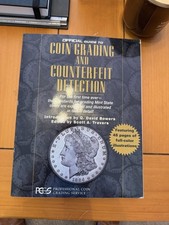
Do your own homework before you send anything. Examine the coin under good light with a coin magnifier or a jewelers loupe, compare it against a coin grading guide, and form your own opinion of the grade. You want a realistic expectation going in, partly so you can spot a bad result and partly so you stop wasting fees on coins that won't grade where you hoped. Handle everything with cotton coin gloves and never, ever clean a coin before submission. Cleaning is the single fastest way to turn a gradeable coin into a "details" coin that the services flag and the market discounts.
My honest rule, after years of doing this: grade the coins where a neutral expert's signature changes the number on the price tag, and only those. Everything else lives happily raw in a coin album where I can actually enjoy looking at it. The fee is a tool, not a badge of seriousness, and the collectors who treat it that way come out ahead.
Ready to shop? Compare coin grading guide across stores →