Home espresso machines in 2026 — what's worth it under $1,000
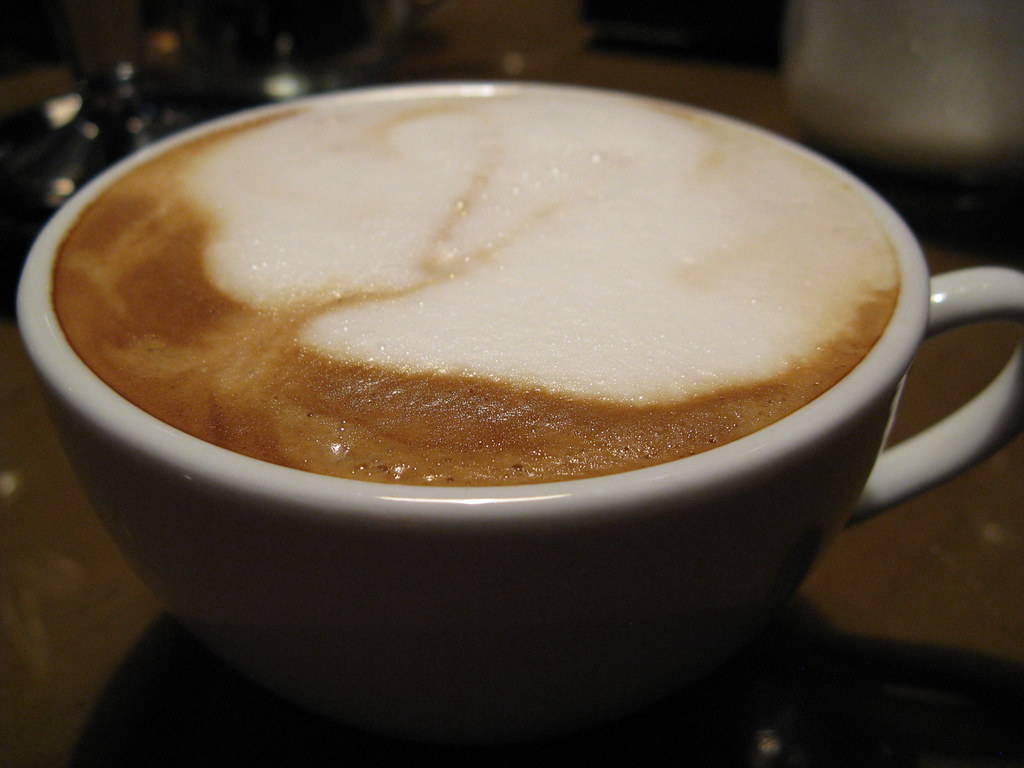
Home espresso has gotten interesting in 2026. The $200 machines are better than they've ever been, the $500 ones aren't always better than the $300 ones, and the $1,000 tier is starting to genuinely compete with cafe gear. Here's the honest landscape.
I've owned four espresso machines in three years. Each one taught me something. The biggest lesson: the price-to-quality curve isn't smooth. There are real jumps at three points and a lot of dead air between them.
Under $250 — the real floor
The Breville Bambino at around $300 is the realistic floor for actual espresso — not coffee that calls itself espresso. It pulls real shots, has a proper steam wand, and won't break in 18 months. The next step down (anything from De'Longhi under $200) is fine for someone who's never had cafe espresso, but you'll outgrow it within a year.
The $500 dead zone
Surprisingly, $500 machines are mostly worse value than $300 ones in 2026. You're paying for a fancier display, a built-in grinder that's worse than a $100 standalone unit, and a brand name. Skip this tier almost entirely — it represents the worst dollars-to-cup-quality ratio in the market.
The $700–$900 sweet spot
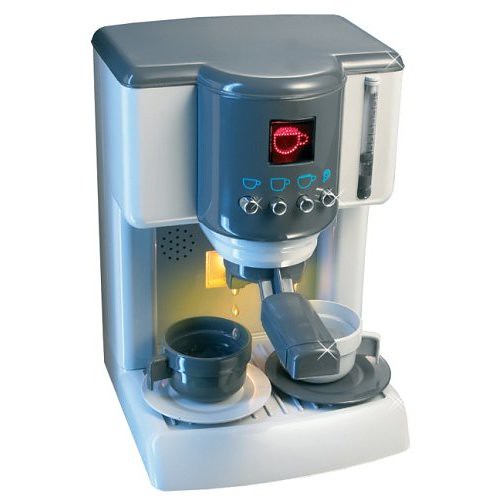
This is where home espresso gets serious. The Gaggia Classic Pro (around $500) paired with a real grinder like the Baratza Encore ESP (around $200) is the classic enthusiast setup — $700 total, results that embarrass cafes. If you'd rather stay all-in-one, the Breville Barista Express Impress at around $900 is the self-contained alternative.
The grinder is non-negotiable
If you take one thing away from this guide: spend $250 on the machine and $200 on the grinder, not $400 on the machine and $50 on the grinder. The grinder matters more than the machine — full stop. Pre-ground coffee, regardless of bean quality, will not produce good espresso. Grind fresh, grind fine, dial it in.
Accessories you actually need
A milk frothing pitcher, a tamper sized to your portafilter, a knock box, and a microfiber cloth for the steam wand. Total: $40–60. Skip the WDT distribution tool fad until at least month three — dial in your dose and tamp technique first.
What I actually use
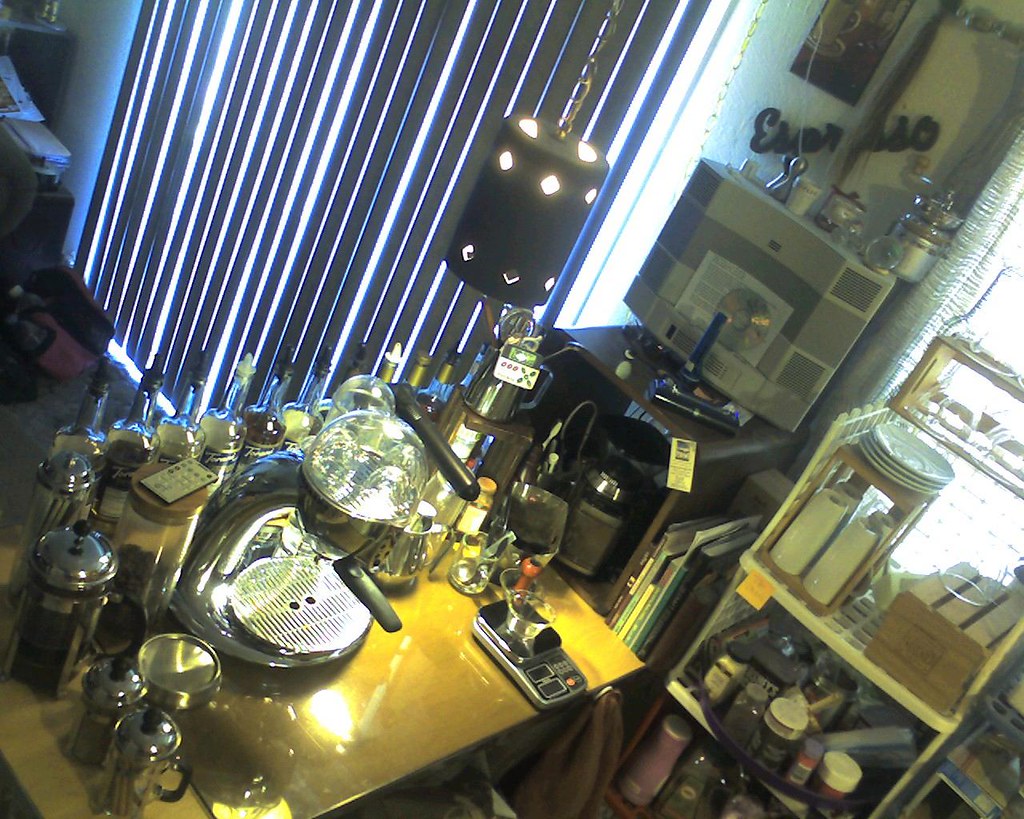
Currently a Gaggia Classic Pro plus a Baratza Encore ESP — about $720 total, pulling daily for two years. The flat white the cafe down the street charges $5.50 for costs me 35 cents in beans at home. The math worked out around month six and hasn't stopped since.
Ready to shop? Compare Cooking & Recipes across stores → 📚 Or browse cooking courses & recipe books in Digital Goods →