
How to Sell a Diamond for the Best Price You Can Get

Nothing teaches you how much a diamond was marked up like trying to sell one. The same store that romanced you on the way in turns coldly transactional on the way out, and the gap between retail and resale can be jarring. Whatever your reason for selling — divorce, cash crunch, an upgrade — the only goal that matters is getting the best price, and that means not being in a hurry.
Speed is the seller's enemy. Buyers smell urgency and pay you less for it. Slow down, do the homework, and work your options. Here's the approach that's served me.
Get it appraised — by people who won't buy it
Before you can sell well, you need to know what you actually have. Get the diamond appraised by two or three independent appraisers to triangulate a realistic value. One opinion isn't enough; appraisers vary, and a single number can be off.
Crucially, ask for the wholesale value — what the trade calls the Rapaport value — because that's the realistic ceiling for what you can sell to a dealer. Retail "replacement value" appraisals (the kind written for insurance) are inflated and will set you up for disappointment. And never let the appraiser also be the buyer; that's a conflict of interest that produces lowball numbers. If your stone has no lab report, get one — a GIA certified diamond report makes buyers trust the grade and pay more, and a diamond grading certificate turns a "trust me" sale into a documented one.
Try to sell it yourself first
The first sale you should attempt is a private one, because cutting out the middleman is where the money is. Selling directly to another individual — someone who wants the stone for a ring rather than to flip it — can net you far more than any dealer will offer, since the dealer has to resell at a profit.

Friends, family, word of mouth, and reputable online marketplaces are all worth trying. Price it sensibly against your wholesale appraisal, be transparent, and let the certificate do the convincing. A private buyer evaluating your loose diamond against retail prices for the same specs will often see your stone as a genuine deal — which it is, because you're not charging a storefront's markup. Patience here pays literally.
Understand what dealers and consignment offer
If a private sale doesn't come together, you've got dealer routes — each with a tradeoff. Selling outright to a jeweler or diamond buyer is fast but lands at or below wholesale, because they need resale margin. Consignment, where a jeweler sells your stone and takes a cut, usually nets more than an outright sale but takes longer and isn't guaranteed.
Pawnshops are the fastest and almost always the worst price — a last resort. Auction can work for large or rare stones but comes with fees and uncertainty. I get written offers from several of these and compare them against my wholesale appraisal so I know exactly how big a haircut each one represents. A clean diamond appraisal in hand keeps every one of these buyers honest.
Don't fall for the lowball or the trade-up
Watch for the classic seller's trap: a buyer tells you the stone is worth far less than it is, then offers to "help you out" by taking it or trading it toward something else with cash on top. That's not generosity, it's a maneuver to acquire your good stone cheap. Your independent appraisals are your defense — if an offer is wildly below them, walk.
Be just as wary of the trade-up pitch. Trading your diamond toward a "better" piece often buries a terrible resale price inside an exciting new purchase, so you never see how badly you did on the stone you gave up. Keep the two transactions separate. Know your number, and don't let anyone rush or shame you off it. Bringing a diamond buying guide mindset to the sale keeps you grounded.

The seller's reality, stated plainly
Here's the truth no one tells buyers: a diamond is not an investment that holds retail value, and resale reveals the full markup you paid. That's not a reason to despair — it's a reason to sell smart. Appraise independently at wholesale, certify the stone, try a private sale first, compare every dealer offer in writing, and refuse the lowball and the trade-up. Slow, informed, and unhurried is how you claw back the most of what your diamond is genuinely worth.
Set realistic expectations on price
Before you list anything, brace yourself for the number. Even in a strong private sale, you'll typically recover a fraction of what the piece cost at retail — often somewhere between a quarter and half, depending on the stone, the certificate, and the market. Sell to a dealer and that fraction shrinks further. This isn't anyone cheating you; it's the markup chain running in reverse, plus the fact that resale buyers have plenty of supply to choose from.
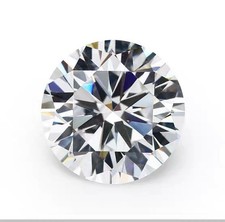
Larger, higher-quality, well-certified stones hold value better than small or mediocre ones, and a desirable round brilliant diamond moves faster than an unusual shape that fewer buyers want. Knowing this up front keeps you from feeling robbed by a fair offer and helps you spot a genuinely bad one. Price your loose diamond against what comparable certified stones actually sell for, not what you paid, and you'll set an asking price buyers take seriously.
Ready to shop? Compare GIA certified diamond across stores →