What Pro Basketball Players Train (That Casual Players Should Copy)

NBA training looks impossible from outside. Three components actually scale to weekend rec-league players — and they're the ones most casuals skip.
Pro basketball training has decades of biomechanics and movement science behind it. Pros train year-round with full team support. You don't have that. You can still extract the three components that produce most of the benefit.
1. Jump training (plyometrics)
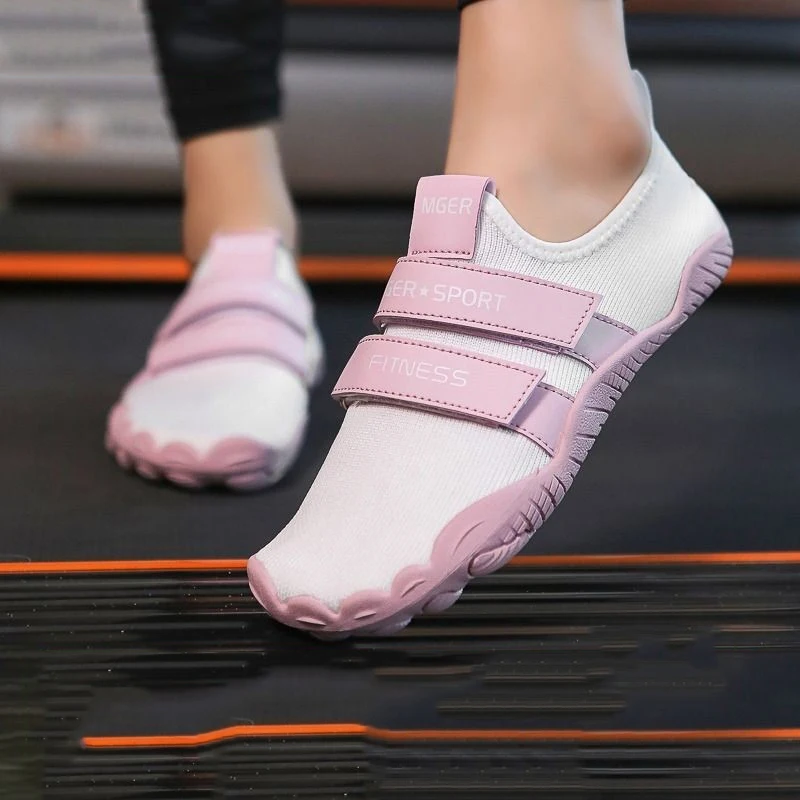
The vertical jump correlates with on-court performance more than any other physical test. Box jumps, depth jumps, broad jumps. Two days a week, 20 minutes. Critical: land in athletic stance — bad landings are where ACL injuries originate. A 20" box ($60–100) and good shoes are most of what you need.
2. Single-leg strength
Basketball is a single-leg sport. Cutting, jumping, decelerating — all single-leg actions. Bulgarian split squats, single-leg RDLs, step-ups. 3 sets of 8–10 per leg, twice a week. adjustable dumbbells for loading.
3. Ankle and knee prep
The injury-prevention work pros do daily is what most amateurs skip entirely. resistance bands for ankle work in four directions, 12 reps each foot. Single-leg calf raises (15 per leg). Single-leg balance on a folded towel. 10 minutes total. Skip this and you're one bad landing from a 6-month rehab.
What pros do that doesn't scale
Shooting volume — pros take 500–1,500 shots a day. Film study volume — the amateur version is watching your own pickup footage on a phone, useful but limited. Recovery infrastructure — cold tubs, massages, nutritionists. You can approximate with a Theragun, a foam roller, and basic nutrition discipline.
The recovery setup
Theragun for post-pickup quad and calf work. foam roller daily (10 minutes). A Garmin watch or Apple Watch for sleep tracking — fatigue is the silent contributor to basketball injuries. A Stanley tumbler for hydration throughout the day.

What to skip
Basketball-specific gimmick equipment — vertical-jump shoes, resistance harnesses with marketing copy about explosive power. The basics produce more than the gimmicks. Off-season weight gain attempts — most amateur players over-eat in the off-season and can't get the weight off in time for the season; just maintain.
Three categories — jump training, single-leg strength, ankle and knee prep — done consistently for two seasons will make you measurably better than 80% of rec-league players. You won't play like a pro. You will be the player nobody wants to guard, which is most of the fun anyway.
Ready to shop? Compare Fitness across stores → 📚 Or browse fitness programs & plans in Digital Goods →