

Boat Winterizing: The Engine and Fuel Steps People Skip

When the boating season ends, most of the winterizing advice I see is about the hull — wash it, wax it, throw a cover on it. That's fine, and I do all of it, but the hull isn't where winter does its real damage. The expensive failures happen inside the engine and the fuel system, in the parts I can't see, and those are exactly the parts people rush through or skip. A cracked block or a gummed-up carburetor come spring costs more than the whole rest of the boat's upkeep combined, so this is where I slow down and do it right.
I'll always check the manufacturer's manual first, because outboards, inboards, and sterndrives each have their own quirks. But the logic underneath is the same across all of them: get the old fluids out, get the water out, and leave a protective film behind so nothing corrodes while the boat sits for months.
Fill the tank and stabilize the fuel
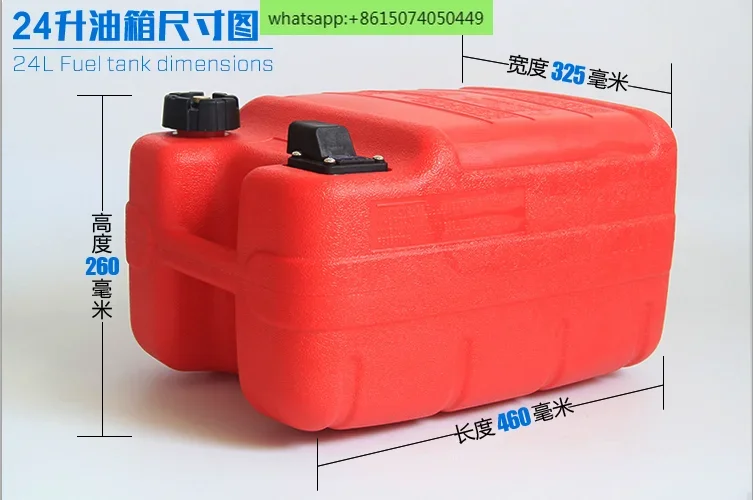
This one feels backwards to people, but I store the boat with a full fuel tank, not an empty one. An empty or half-full tank has a lot of air in it, and air means condensation — water droplets forming on the inside walls as the temperature swings through winter. That water sinks into the fuel, leads to corrosion, and clogs the lines come spring. A full tank leaves almost no room for condensation.
Before I top it off, I add marine fuel stabilizer so the gas doesn't oxidize and turn to varnish over the long layup. Then I run the engine for a few minutes so the treated fuel works its way all the way through the lines and into the carburetor or injectors. Stabilized fuel that's still sitting in the tank does the engine no good — it has to circulate.

Change the oil before storage, not after
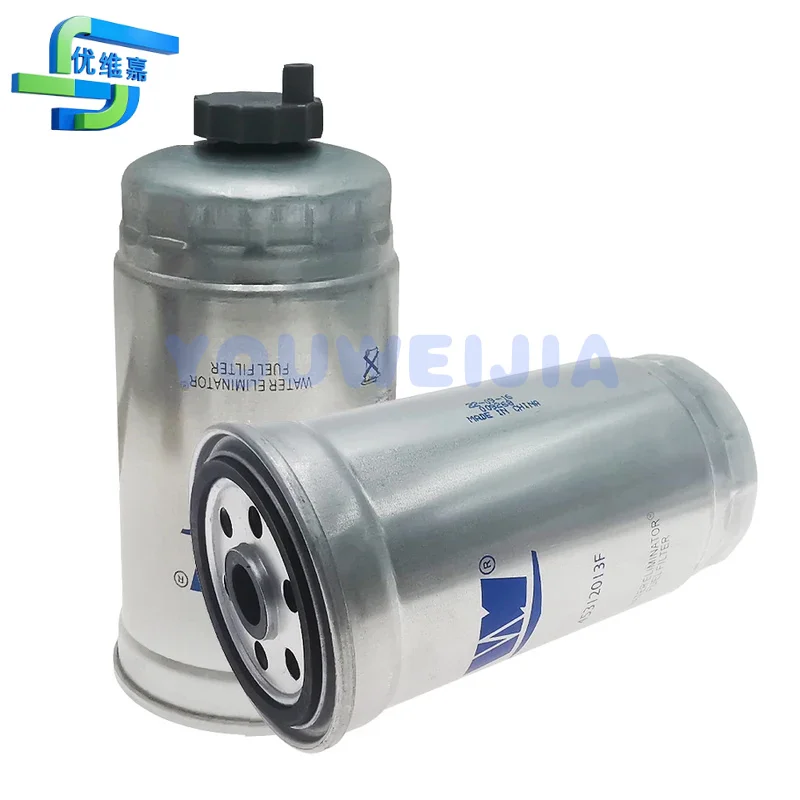
Used oil is full of acids and moisture from a season of running, and leaving that sitting in the engine all winter is how corrosion starts. So I change it now, before storage, not in the spring. I drain the old oil completely, swap in fresh marine engine oil, and replace the oil filter while I'm in there — a fresh filter on old oil is half a job. Then I run the engine briefly to circulate the clean oil and coat the internals.
Disposing of the old oil properly matters too. I take it to a station or shop that collects it; it never goes down a drain or onto the ground.
Flush the cooling system and fog the cylinders
This is the step that saves blocks. I hose the engine through with fresh water to flush out salt and grit, then let it drain completely — and I mean completely. Any water left in the cooling passages will freeze, expand, and crack the casting, which is the single most expensive thing winter can do to a boat. A bit of marine antifreeze run through the system makes sure whatever water I couldn't drain won't freeze solid.
Then I fog the cylinders. With the engine running, I shut off the fuel supply, and as it sputters out I spray fogging oil spray into the cylinders through the spark plug holes (or the air intake, depending on the engine). That leaves an oily film on all the internal surfaces so they don't rust over the winter. It's a two-minute job that prevents a season's worth of corrosion.

Batteries, plugs, and the final once-over
I disconnect the batteries entirely rather than leaving them in the cold boat. I top them off with distilled water if they're the type that takes it, then bring them indoors and put them on a trickle charger, topping them up every month or so. A battery left to slowly discharge in freezing weather often won't come back.
Last, I do a quick once-over on the things I'd otherwise forget in spring: pull the spark plugs and check their condition, make sure the lower unit gear oil is fresh, and confirm everything's drained. Then the cover goes on. Do the engine and fuel work properly and spring becomes a turn-the-key affair instead of a repair bill — which is the entire point of winterizing in the first place.
Ready to shop? Compare marine fuel stabilizer across stores → 📚 Or browse home & garden guides in Digital Goods →