HMB اور دیگر ریکوری سپلیمنٹس: اصل میں اس کے قابل کیا ہے۔
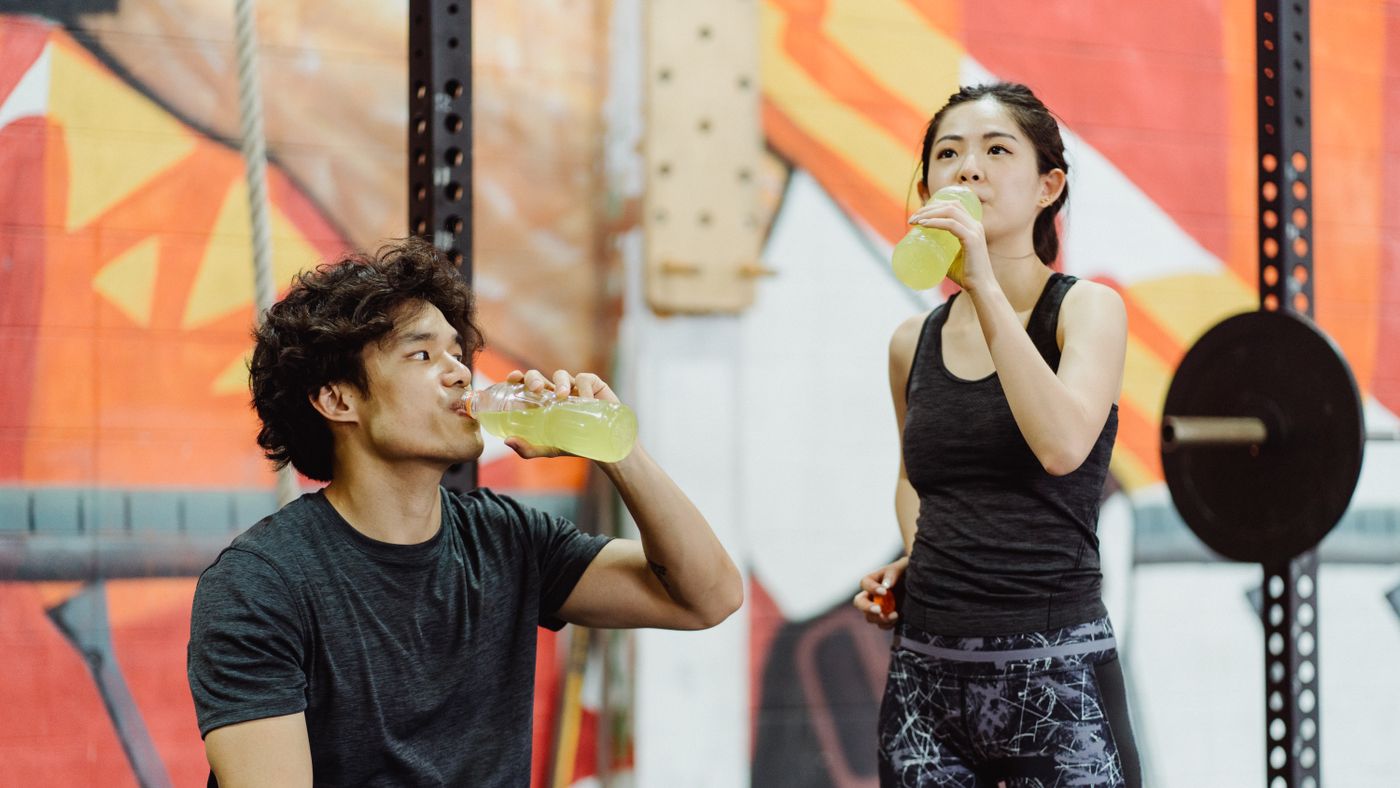
ریکوری سپلیمنٹس $4B کی صنعت ہیں۔ وہ تحقیق جس پر اصل میں کام ہوتا ہے وہ مارکیٹنگ سے زیادہ تنگ ہے - یہاں ایک دہائی کی جانچ اور حقیقی لٹریچر کو پڑھنے کے بعد دیانتدارانہ چھانٹی ہے۔
میں نے زیادہ تر اہم بحالی کے ذریعے کام کیا ہے۔ سپلیمنٹس پچھلے دس سالوں میں — کبھی میری اپنی تربیت میں، کبھی تحقیق کے گہرے غوطے کے ذریعے۔ کام نہ کرنے والے اسٹیکس پر ماہانہ $200 خرچ کرنا ایک حقیقی قیمت ہے۔ یہاں یہ ہے کہ ثبوت اصل میں کیا حمایت کرتا ہے.
ان کے پیچھے حقیقی ثبوت کے ساتھ تین
1. پروٹین. چھینے، کیسین، یا پوری خوراک۔ واحد بہترین تعاون یافتہ بحالی مداخلت۔ تربیت کے دو گھنٹے کے اندر 30-40 گرام پٹھوں میں پروٹین کی ترکیب کے مستقل ثبوت ہیں۔ چھینے سب سے تیزی سے جذب کرتا ہے۔ کیسین سست رہا ہے اور سونے سے پہلے بہتر ہے۔ مکمل خوراک کے ذرائع زیادہ تر لوگوں کے لیے زیادہ تر وقت ٹھیک کام کرتے ہیں۔
2. کریٹائن مونوہائیڈریٹ. روزانہ 5 گرام۔ سب سے زیادہ زیر مطالعہ کارکردگی اور بحالی کا ضمیمہ جو موجود ہے۔ طاقت، طاقت، اور بحالی کے وقت پر حقیقی اثرات۔ سستا، بے ذائقہ، بورنگ۔ کام کرتا ہے۔
3. ٹارٹ چیری ضمیمہ. پٹھوں کے درد میں کمی کے کچھ حقیقی ثبوت، خاص طور پر برداشت کرنے والے کھلاڑیوں میں۔ اثر کے سائز معمولی ہیں لیکن مطالعے میں یکساں ہیں۔ لاگت اعتدال پسند ہے؛ اگر درد کا مسئلہ ہے تو فائدہ کوشش کرنے کے لیے کافی ہے۔
خاص طور پر HMB سوال
HMB کے پاس ملے جلے ثبوت ہیں۔ یہ پہلے سے غیر تربیت یافتہ مضامین اور کیلوری کی کمی کے مراحل کے دوران مفید اثرات دکھاتا ہے۔ تجربہ کار لفٹرز کے لیے کم قائل ہے جو کافی کھا رہے ہیں۔ پروٹین. مارکیٹنگ عام معاملے کو نمایاں طور پر بڑھا دیتی ہے۔ اگر آپ ابتدائی ہیں یا طویل چھٹی سے واپس آ رہے ہیں، تو روزانہ 3 جی معمولی مدد کر سکتی ہے۔ اگر آپ ایک تربیت یافتہ لفٹر ہیں جو کافی پروٹین کھاتے ہیں، تو معمولی فائدہ کم ہے۔
اوور ریٹیڈ کیا ہے۔
BCAAs - اگر آپ اپنے کو مار رہے ہیں۔ پروٹین اہداف، BCAAs کچھ بھی شامل نہیں کرتے ہیں۔ زمرہ زیادہ تر مارکیٹنگ ہے۔ گلوٹامین - ایک ہی کہانی؛ کافی پروٹین اس کا احاطہ کرتا ہے۔ "ریکوری فارمولہ" کثیر اجزاء کے ڈھیر عام طور پر پروٹین پلس کریٹائن کے علاوہ کچھ اور ہوتے ہیں، جس کی قیمت انفرادی اجزاء کی الگ الگ قیمت سے تین گنا ہوتی ہے۔
کیا اصل میں بحالی کو چلاتا ہے
7 گھنٹے سے زیادہ کی نیند — ایک کے ساتھ ٹریک کیا گیا۔ گارمن فٹنس واچ یا ایپل واچ - واحد سب سے بڑا متغیر ہے، اور یہ مفت ہے۔ ہر کھانے میں اصلی فوڈ پروٹین، 0.8-1 گرام فی پاؤنڈ جسمانی وزن دن بھر میں تقسیم کیا جاتا ہے۔ دن بھر ہائیڈریشن۔ روزانہ دس منٹ a فوم رولر - بورنگ، لیکن یہ کام کرتا ہے. اے مساج بندوق بھاری تربیتی دنوں میں زیادہ تر صارفین کے لیے مستقل ساپیکش فائدہ ہوتا ہے چاہے طویل مدتی تحقیق کو ملایا جائے۔
کیا چھوڑنا ہے۔
ورزش سے پہلے کے محرک مرکبات - کچھ حقیقی قلیل مدتی اثرات، لیکن سادہ کافی کم ایڈرینل تھکاوٹ کے خطرے کے ساتھ ایک بہتر ڈیفالٹ ہے۔ پریمیم قیمتوں پر کثیر اجزاء والے "ریکوری اسٹیکس"۔ ملکیتی مرکب کے ساتھ کوئی بھی چیز جو انفرادی اجزاء کی خوراکوں کی فہرست نہیں دیتی ہے - اس طرح صنعت انڈر ڈوزنگ کو چھپاتی ہے۔
پروٹین، کریٹائن، اور اختیاری طور پر ٹارٹ چیری 90 فیصد جائز ریکوری سپلیمنٹیشن کا احاطہ کرتی ہے۔ کل ماہانہ لاگت: $40–$60۔ زیادہ شاذ و نادر ہی شامل کرنا اس کے اوپر قابل پیمائش واپسی پیدا کرتا ہے۔ اصل بحالی کا کام نیند، خوراک، ہائیڈریشن اور حرکت ہے۔ ضمنی صنعت پیچیدگی کو فروخت کرتی ہے کیونکہ پیچیدگی منافع بخش ہے - بورنگ اسٹیک وہی ہے جو اصل میں کام کرتا ہے۔
خریداری کے لیے تیار ہیں؟ موازنہ کریں۔ صحت اور تندرستی تمام اسٹورز → 📚 یا براؤز کریں۔ صحت اور تندرستی کے پروگرام ڈیجیٹل سامان میں →