


Dog Grooming Basics for the Nervous First-Timer

The first time I tried to trim my dog's nails myself, my hands were shaking more than hers. I'd convinced myself I'd hurt her, and that fear nearly sent me back to paying a groomer for everything forever. The fear was overblown. The basics are genuinely learnable.
Grooming is one of the clearest ways you show a dog you love them, and doing it yourself saves real money and builds trust between you. If you're new and a little scared, here's the gentle version, one task at a time, in roughly the order I'd build confidence.
Nails: small cuts, often
The fear of nails comes from exactly one thing: cutting into the quick, the blood vessel that runs inside the nail. The fix is simple and it removes most of the risk. Take only the very tips, and do it more often rather than waiting until the nails are long and the quick has grown out with them. Use a dog nail clipper built for dogs in either scissor or guillotine style, whichever feels steadier in your hand, because a steady hand makes a clean cut. Aim for about once a month, more for fast-growing nails. Keep styptic powder nearby for peace of mind, and if you do nick the quick, just press firmly on the tip until the bleeding stops. It looks worse than it is.
Teeth: start before there's a problem
Dental trouble is one of the most common things vets see, and it creeps up quietly over years. A small dog toothbrush with soft bristles and a tube of dog toothpaste made for dogs, a couple of times a week to start, builds the habit before tartar sets in. Never use human toothpaste or baking soda; the ingredients aren't meant to be swallowed and can actually harm a dog. A child's brush or a finger brush works fine too. Many vets will also do a professional cleaning, which is a perfectly good option if home brushing feels like too much at first.

Ears and brushing: the low-stakes wins
Ears are easy to check and genuinely hard to mess up as long as you stay out of the canal. Look inside a couple of times a month; a healthy ear is pinkish and odorless. Wipe only the visible part with moistened cotton or a little dog ear cleaner, and if you see redness, swelling, or smell something sour, that's a vet visit rather than a deeper clean.
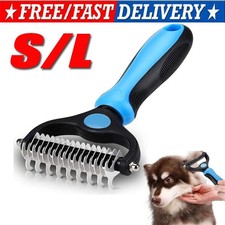
Brushing is the most forgiving task of all and the one with the biggest payoff, so it's a great place to build confidence. A daily once-over with a dog brush, following the direction the hair grows from head to tail to legs, clears dirt, prevents tangles before they become mats, stimulates the skin, and keeps the coat shiny. A dog grooming comb follows up on the legs and feet where tangles hide.
Bathing: resist the urge to overdo it
New owners almost always bathe too often, usually out of love. It dries the skin and does more harm than good. Once every several weeks, or when your dog is genuinely dirty, is plenty. Use a proper dog shampoo formulated for dogs, clean the face with a washcloth instead of pouring water over it, keep suds out of the eyes and ears, rinse thoroughly with lukewarm water, and dry with a towel or a low-heat dog dryer.

You've got this
Every breed has its quirks, so read up on yours, but the basics above apply to all of them. Start slow, keep sessions short and calm, and reward generously so the dog associates grooming with good things. The nerves fade fast once you've done each task a few times, and on the other side is a healthier dog, a fatter wallet, and a closer bond. There's plenty of good guidance online when you're ready to go deeper, but honestly, the basics here cover most of what a healthy dog needs.
Ready to shop? Compare dog grooming comb across stores →


