Dry vs. Canned Dog Food: Which Is Better for Your Dog?

Stand in the pet-food aisle and the choice between dry and canned food can feel surprisingly loaded. Dogs have opinions — most clearly prefer canned — but preference and nutrition aren't the same thing, and the differences between the two go deeper than taste. The honest answer is that each has real strengths, the right pick depends partly on your dog's size and needs, and many owners get the best results by understanding the trade-offs rather than treating it as one-size-fits-all. Here's the plain breakdown.
Why dogs prefer canned food
It mostly comes down to moisture. Canned food is roughly 70–80% water, which makes it softer, more aromatic, and more palatable — closer to the texture a dog instinctively likes. Dry food, or kibble, sits around 10% moisture, so a dog will happily eat it only if it's genuinely tasty. If your dog turns its nose up at dry food, that high-moisture appeal is usually why. Canned food's water content is also a quiet benefit for dogs that don't drink enough, and for older dogs with dental issues that make crunching hard.
Why dry food wins on nutrition and cost
Here's the counterintuitive part: because canned food is mostly water, it carries fewer nutrients per mouthful. Good dry food can be around 90% nutrients by contrast, since the water's been removed. That has two consequences. First, a dog has to eat a larger volume of canned food to get the same nutrition it would from a smaller serving of kibble. Second, that makes dry food meaningfully cheaper to feed for the same nutritional value — a real factor over a dog's lifetime. When you compare prices, compare nutrition-per-serving, not just the sticker on the can.
A word on ingredients: read the label either way. Some products use soy protein structured to look like meat pieces, and dry foods are commonly built on a base of soybean, rice, or corn, often with beef or chicken and added vitamins and minerals. A quality dry dog food with a named meat high in the ingredient list and proper supplementation is what you're after — "enriched" formulas beat bare-bones ones.
Dog size changes the math
Your dog's size genuinely affects which food makes sense. Larger dogs — over about thirty pounds — would need to eat an impractically large volume of canned food to feel full and meet their nutritional needs on moisture-heavy food alone, so they're usually better served by dry or semi-moist food that satisfies the stomach's fullness receptors without a mountain of cans. Small dogs, by contrast, can get a satisfactory level of nutrients even from moist food, since their portions are small to begin with. Either way, don't forget the caloric density of dry food when you're measuring portions — it's easy to overfeed kibble precisely because a little goes a long way. A dog food storage container with a measuring scoop helps keep portions honest.
The best of both: mixing
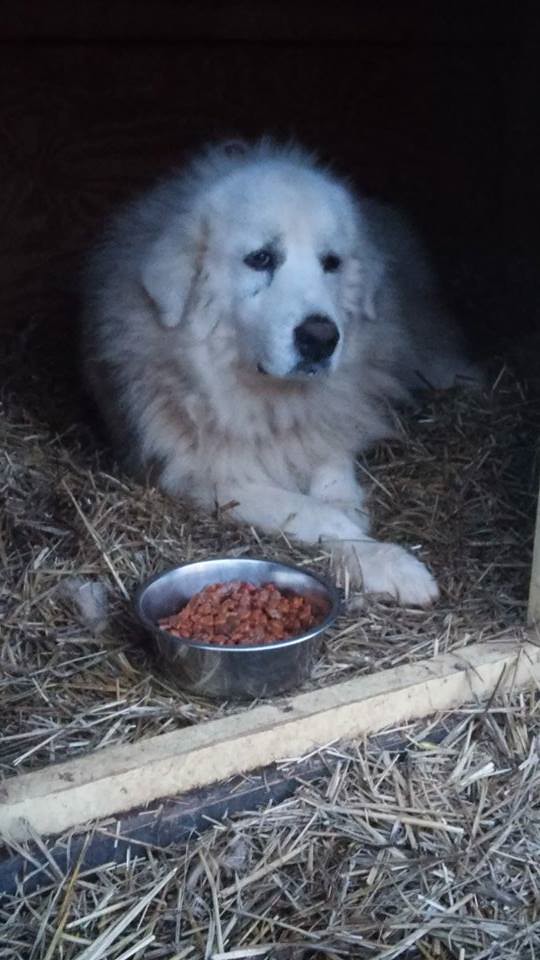
You don't have to choose absolutely. Many owners feed dry food as the nutritional and economical base and add a spoonful of canned food, warm water, or a dog food topper to boost palatability — the dog gets the appeal of wet food and the nutrition and cost-efficiency of dry. This works especially well for fussy eaters and for transitioning older dogs. Use a sturdy stainless steel dog bowl (easier to keep clean and bacteria-free than plastic), and introduce any food change gradually over several days to avoid stomach upset.
What I'd skip
Skip judging food by what your dog "prefers" alone — preference favors moisture, not nutrition. Skip comparing dry and canned on price-per-package; compare price per serving of actual nutrition. Skip feeding a large dog on canned food alone — it's impractical. And skip abrupt switches between foods; transition slowly to spare your dog's stomach.
The honest answer
Neither dry nor canned is simply "better" — dry food wins on nutrition density and cost and suits larger dogs; canned wins on palatability and moisture and suits fussy or older small dogs. Read the labels, measure by nutrition rather than volume, account for your dog's size, and consider mixing the two to get appeal and value at once. Match the food to your actual dog, and both of you come out ahead.
Ready to shop? Compare dry dog food across stores → 🏷️ Shop direct from our partner Nextrition Pet →