
Breaking a Bad Habit by Redesigning Your Environment

I quit several bad habits the hard way, white-knuckling it through willpower, before I figured out that I was fighting on the wrong battlefield. The habits I actually broke for good, I broke by changing my surroundings so that the bad thing got harder and the good thing got easier. It turns out you do not have to be more disciplined than your habit. You just have to be smarter than it.
Willpower is a real thing, but it is a limited, exhaustible thing, and any plan that depends on having lots of it on a bad day is a plan that will eventually fail. Your environment, on the other hand, works around the clock without getting tired. Every bad habit you have is being quietly supported by your surroundings, and most good habits are being quietly sabotaged. Fix the surroundings and you remove the need for a heroic effort that you cannot sustain anyway.
Add friction to the thing you want to stop
The single most effective trick I know is to put physical distance and effort between you and the habit. Every bad habit has a moment where you reach for it almost automatically, and the easier that reach is, the more often you lose. So I make the reach harder, deliberately and a little absurdly.
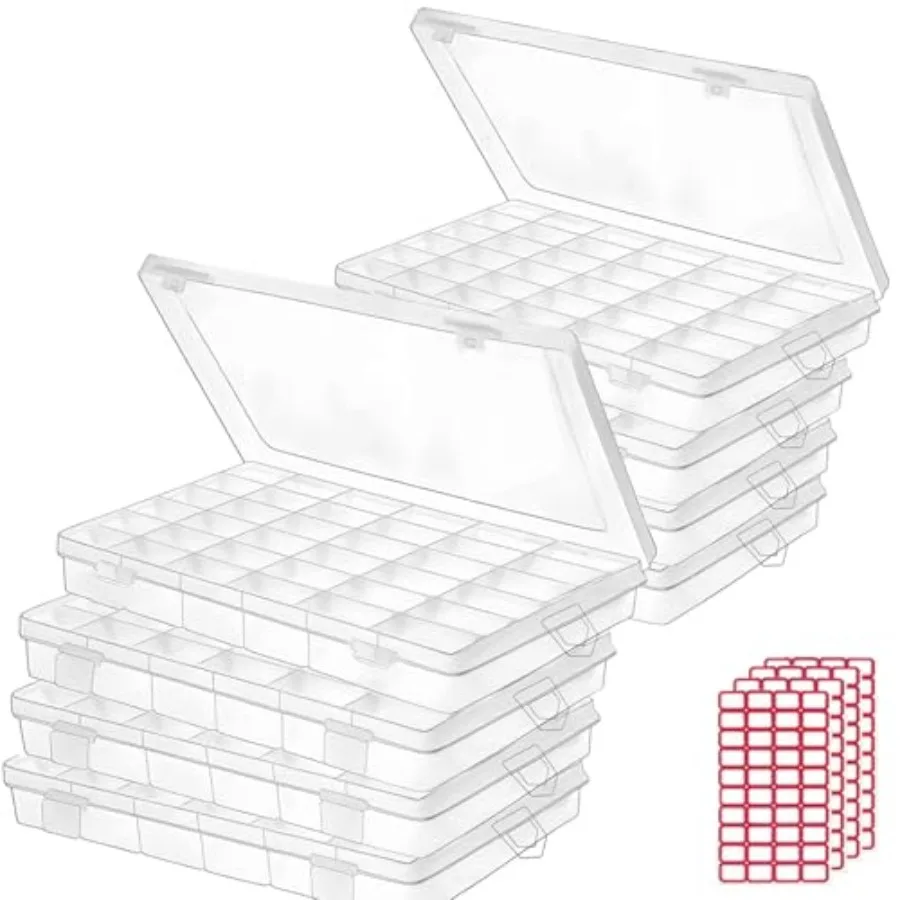
When I wanted to cut down on mindless snacking, I stopped keeping the snacks in the house. Not "kept them in a cupboard," but did not buy them, so the habit now required getting dressed and going to a shop. That friction killed most of the impulse, because most bad habits are impulses, and impulses do not survive a ten-minute delay. The junk got replaced with things that needed effort to ruin, and a few prepped containers in a meal prep containers set meant the easy option was now the good one.
Remove the cue and the habit starves
Habits are triggered by cues, and the cue is usually something in your environment that you stopped noticing years ago. The phone on the nightstand is a cue to scroll. The bottle on the counter is a cue to drink. The cue fires, the behaviour follows, and you tell yourself it was a choice when it was really just a response to a trigger sitting in plain sight.

So I hunt cues and remove them. The phone charges in another room, replaced by an actual alarm clock, so the morning scroll has no trigger to fire from. The thing I am trying to avoid gets put somewhere out of sight, because out of sight really is most of the battle. You are not weak for responding to a cue, you are human, so the move is not to resist the cue heroically but to delete it.
Make the good habit the path of least resistance
The flip side of adding friction to bad habits is removing it from good ones. We tend to do whatever is easiest in the moment, so the game is to rig your environment so the easiest option is also the one you want. If the healthy choice requires more steps than the unhealthy one, the unhealthy one wins on tired days, which are most days.
When I wanted to exercise more, I stopped relying on motivation and started laying my kit out the night before, by the door, impossible to miss. I keep a yoga mat permanently unrolled in the corner of the room, because a rolled-up mat in a cupboard is a tiny barrier, and tiny barriers win over time. Make the good thing the default and you stop needing to choose it. It just happens because it is in the way.
Use other people as environment
The people around you are part of your environment, and they shape your habits more than you would like to admit. If everyone you spend time with does the thing you are trying to quit, you are swimming upstream every single day, and eventually the current wins. This is not about cutting people off, but it is about being honest about influence.

I started spending a little more time with people who already had the habits I wanted, because habits are contagious and proximity does quiet work. I also told a couple of friends what I was trying to change, which added a gentle accountability I could not get from myself alone. Several solid self improvement books make this case with real data: you do not just pick up your friends' opinions, you pick up their behaviours, so choose the room you sit in.
Expect to slip, and design for the comeback
No environment is perfect, and you will slip. The mistake is treating a slip as a verdict instead of a blip, then using it as an excuse to abandon the whole project. One lapse changes nothing. The story you tell yourself after the lapse changes everything.
So I design for the comeback in advance. I decide ahead of time that one slip is just a slip, and the only rule is to reset the environment immediately afterward, restock the good food, lay the kit back out, charge the phone in the other room. I keep my intentions written in a pocket notebook so that after a bad day I can look at them and quietly start again, no drama. Break a habit by outsmarting your surroundings, and you stop relying on a willpower you were never going to have enough of anyway.
Ready to shop? Compare meal prep containers across stores → 📚 Or browse self-help courses & ebooks in Digital Goods →