
How to Land Two Job Interviews Every Single Day

For a stretch of one job hunt I tracked my callback rate, and it was bleak: roughly one interview invite for every thirty applications. Then I stopped treating the resume as a formality and started treating it as the only thing standing between me and a phone call. The rate climbed fast — and the goal of two interviews a day, which had sounded absurd, became routine.
Here's the reframe that fixed it. An interview invitation isn't luck. It's the predictable output of a resume that does its job in the six seconds a recruiter actually spends on it. Get multiple invites in a day and you've earned something valuable beyond the calls themselves: the power to choose. You're no longer begging one employer to want you; you're deciding which of several is the best fit.
Put the target job at the very top
The first thing a reviewer should see is what you want. A clear objective or headline naming the exact role tells them you're focused, not spraying the same resume at every opening in the building. Vague "seeking a challenging opportunity" lines are wasted space. "Staff accountant with five years in accounts payable" tells them in one breath whether to keep reading. Tailor this line per application — one role, one company, one clear aim. A resume writing book that walks through targeted objectives is worth the hour it takes to read.
Use verbs that show ownership
The difference between "was assigned to manage" and "managed" is the difference between a passenger and a driver. Reviewers scan for strong, active language because it signals capability. Swap weak phrasing for verbs that carry weight: led, built, cut, launched, owned. "In charge of" beats "responsible for"; "delivered" beats "helped with." This isn't inflation — it's accuracy. You did the thing, so write it like you did. Just make sure every claim survives a follow-up question, because the interview is where padded language gets exposed.

Bullet your wins so they get read
A wall of paragraph text gets skimmed and forgotten. Bullets force the eye to land on each achievement, and they leave the white space that makes a page look clean and deliberate. Reserve bullets for the things that move the needle: quantified results, recognition, key skills, certifications. "Increased regional sales 22% in one year" as a standalone bullet hits harder than the same fact buried in a sentence. If you're printing copies to bring along, decent professional resume paper makes the whole document feel considered rather than tossed off.
Apply selectively, not in bulk
This is the rule that feels backwards but isn't. Sending one company a single resume aimed at one position beats sending the same generic document to five roles there. A scattershot application that lists three unrelated job interests reads as "I'll take anything," and reviewers translate that to "fits nothing." There's a real tension here worth being honest about.
CONSTRAINT: tailoring every application takes 15–20 minutes each, so "apply to everything" and "apply well" genuinely compete for your time.
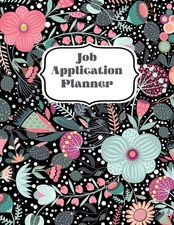
I resolve it by capping the list. A handful of well-targeted applications a day, each one customized, beats fifty copy-pasted ones — and it's how you actually hit two real interviews rather than two rejections. Track your sends in a job application tracker journal so you never apply to the same role twice or lose the thread on who hasn't replied.

Get a second pair of eyes
You cannot see your own resume the way a stranger does. After staring at it for hours, you've gone blind to the buried strength on line nine and the typo in your own job title. A professional — or even a sharp friend in the field — will spot the achievements you undersold and the jargon that reads as noise. If you can't hire a reviewer, a thorough cover letter and resume guide gives you a checklist to self-edit against.
One more thing that quietly tanks callback rates: ignoring instructions. When an application form says answer in fifty words or use a specific field, do exactly that. It's a deliberate test of whether you follow simple directions. Keep forms neat, fill every applicable field, and use "N/A" only when something truly doesn't apply rather than leaving blanks that look like you gave up. If you're filling paper applications, a clean black-ink professional ballpoint pen set and no correction fluid signal care. Be truthful throughout, but be selective — every answer should bend toward the specific job, surfacing the skills that matter to this employer and quietly leaving out the ones that don't. Do all of this and the math changes: more quality applications going out, a higher hit rate on each, and two interview invites a day stops being a fantasy. A interview preparation guide gets you ready for the calls once they start coming.
Ready to shop? Compare job application tracker journal across stores → 📚 Or browse self-help courses & ebooks in Digital Goods →