
What Homeschooling Really Is, Before You Decide to Do It

From the outside, homeschooling looks like freedom and pajamas and learning at your own pace. From the inside, it's a second full-time job you didn't quit your first one for. Both pictures are true, and you should see both clearly before you decide.
At its simplest, homeschooling means a parent or legal guardian takes responsibility for educating their own children at home instead of sending them to a public or private school. The specifics — exactly who counts, how many families can pool together, what you must document — are defined by law and vary a lot from state to state. But the core idea is plain: you build the curriculum, you set the pace, and you teach in whatever way fits your kid best.
You're already doing a version of it
Here's the reframe that made homeschooling feel less radical to me. Most learning starts long before any classroom. By the time kids reach school age, plenty already know their letters, colors, the names of animals, how to count — because someone at home patiently taught them. Nobody calls that homeschooling, but it's the same act. Choosing to homeschool is just deciding not to hand that role off at age five.
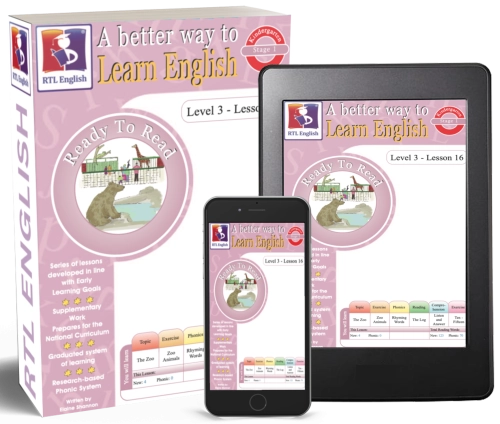
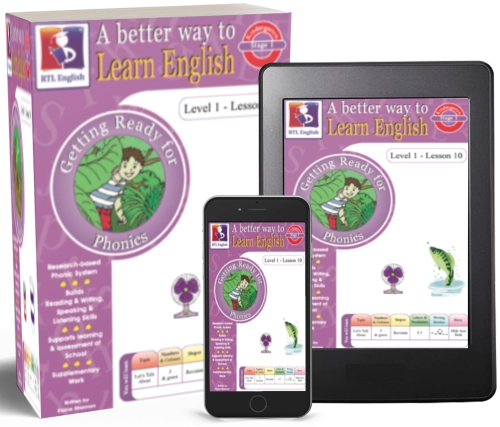
That doesn't make it easy. It does mean you're not starting from zero or stepping into something alien. You've taught your child a thousand things already. The question is whether you want to keep being the primary teacher when the material gets harder and the stakes feel higher. A few early learning workbooks in those first years are an honest way to test whether you actually enjoy the teaching part before you commit the whole calendar.
Get clear on your why first
Before anything practical, talk to families who actually homeschool — not the influencers, the real ones down the street. Ask them the bad parts. Then ask yourself, honestly, why you want to do this. Is it a values choice, a response to a specific problem at your kid's school, a flexibility you can't get otherwise? The clarity and sincerity of that reason matters more than any curriculum, because on the rough days the reason is what carries you. A vague "it seemed nice" won't survive February.

This is also the moment to ask your child how they feel about it. It's their education and their social world on the line, and dragging a resistant kid into homeschooling rarely ends well. A frank conversation up front saves a lot of grief later.
Count the real cost — money and a career
Homeschooling is not free, and the bigger expense isn't the one people mention. Materials, curriculum, classes, and field trips can run from a few hundred to a few thousand dollars a year depending on how you do it. That's the visible cost, and it's manageable with a homeschool curriculum bundle and some thrift.
The cost that actually reshapes a household is this: one parent generally has to be home full-time to run the show. That's a salary, or a career, set aside — for years. It's the single biggest tradeoff in the whole decision, and any honest accounting has to put it on the table. The workaround that's saved many families is a home-based business or remote work that flexes around the teaching day, so the staying-home parent isn't fully out of the workforce. A dedicated home office desk in the corner where school happens can do double duty. But go in knowing the financial hit is real, not hand-waved.
Are you actually qualified? Probably more than you think
The fear that you're not smart enough or trained enough to teach your own kids is the most common reason people talk themselves out of homeschooling, and it's mostly unfounded. Teaching is just a continuation of your own learning. You don't need every answer; you need to know how to find answers and the willingness to learn alongside your child. The internet, libraries, and an enormous market of curricula and resources have closed most of the gap that used to exist.
What helps far more than a teaching degree is understanding how your particular child learns — visual, hands-on, reading-driven — and choosing a method that fits. Survey the styles, from structured curriculum to loose interest-led approaches, and pick one you can actually sustain. A few well-chosen teaching resource books will get you further than any credential.

Know your state's law — it's specific and non-negotiable
Every state has its own homeschooling laws, and you must follow yours exactly. The rules differ sharply. In North Carolina, for example, you file a "Notice of Intent" to open a home school, declare whether it's a private church school or a qualified non-public school, and the instructor needs at least a high school diploma. You keep annual attendance and immunization records, and the child takes a nationally standardized test each year, with an additional requirement in eleventh grade.
That's one state — yours may ask for more or almost nothing. The point is to find the actual statute, not a forum rumor, and build your year to clear it from day one. Don't let paperwork become the thing that gets you in trouble after you've done the hard part of teaching.
The honest bottom line
Homeschooling looks like fun and freedom, and parts of it genuinely are. But things are rarely as simple as they look from outside. It's a heavy load of added responsibility, real money, a sidelined career, and constant work. I won't pretend otherwise. What I'll also say, from the inside, is that when it works, it forges a bond between parent and child that's hard to get any other way — and gives your kid an education shaped entirely around who they actually are. Weigh both sides honestly. If you decide yes, a starter homeschool supplies kit is the easy part. The rest is the work, and it's worth knowing that going in.
Ready to shop? Compare early learning workbooks across stores → 📚 Or browse self-help courses & ebooks in Digital Goods →