
Why I Target Small Companies in My Job Search

When I was job hunting, I aimed at the big recognizable employers like everyone else, and I got buried under thousands of other applicants. The shift that changed my luck was deciding to take small organizations seriously.
There's a cultural assumption that big means stable and small means risky. That made sense once. Today it's mostly outdated. Small companies have learned to compete on the things big ones are bad at, and as a candidate you can ride that same advantage. I want to lay out why I now point a real chunk of my search at smaller employers, and the honest tradeoffs that come with it.
You're a name, not a number
At a giant company, your application is one of hundreds for a single role, screened by software before a human ever sees it. At a thirty-person company, the hiring manager might be the founder, and they read every resume themselves. Your odds of being a real person in their mind go way up.
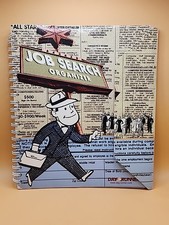
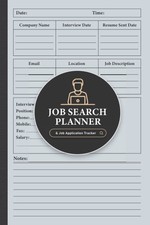
That personal scale runs through the whole experience. The interview is a conversation, not a gauntlet of five rounds. Decisions move faster. And once you're in, you're not an anonymous cog, the same way a small shop knows its regulars by name, a small employer actually knows what you do. I keep a job search planner">job search planner with a dedicated list of small firms in my field, and that list consistently produces more responses than the big-name column.
You'll learn faster and wear more hats
At a large company, your job is narrow by design. You become very good at one slice of one process. At a small company, there's nobody else to do the other ten things, so you do them. That's exhausting some weeks and it's the fastest professional growth I've ever had.

If you're early in your career and want range, this is the trade to make. You'll touch parts of the business you'd never see for years at a big firm. The downside is real, less structure, fewer formal training programs, and you'll sometimes be figuring things out alone. I lean on books to fill the gaps a big company's training department would otherwise cover. A practical career development book">career development book earns its place on the shelf when you're learning on the fly.
The tradeoffs you have to weigh honestly
I won't pretend small is purely better. Small companies operate with tighter margins and less cushion. A cash-flow crunch hits them harder, and some don't survive it. Their stability often depends on disciplined money management and avoiding impulsive bets, and you usually can't see from the outside how careful they actually are.
So I do homework before I take a small-company offer. How long have they been around? Are they growing or treading water? Do they bring in outside expertise like proper accountants and advisors, or wing it? A company that seeks help when problems get complex, instead of barreling ahead on a hunch, is one I trust more. A clear-eyed personal finance book">personal finance book taught me to read the same warning signs in an employer that I'd watch for in my own budget, because if their books are shaky, your paycheck is too.
How to find and approach them
Small companies often don't post on the big boards, they can't afford to be flooded with calls and resumes, so they rely on word of mouth. That's why networking matters even more here than at big firms. The lead comes from a conversation, not a job portal.

I treat every event, every casual catch-up, as a chance to mention what I'm looking for. The holidays and conferences are perfect for this, people are relaxed and talking. I keep a business card holder">business card holder on me, which feels old-fashioned until the moment someone says "actually, my brother's company is hiring." When you do find one, build a real relationship with the people there. Communicate clearly, show genuine interest in where they're headed in five years, not just the open seat. That personal connection is exactly the edge small organizations value, and it's hard for a faceless big employer to match.
The bottom line
The famous logos get all the applicants and offer all the anonymity. Small organizations are less crowded, move faster, treat you like a person, and hand you responsibility you'd wait years for elsewhere. The cost is less structure and more uncertainty, so do your due diligence on their stability before you sign. Point part of your search there, network your way in, and keep a resume writing book">resume writing book handy to sharpen how you present range over specialization. Small isn't the safe choice or the risky one. For the right person, it's the smart one.
Ready to shop? Compare job search planner across stores → 📚 Or browse self-help courses & ebooks in Digital Goods →