How to Choose MMA and Boxing Gloves

Gloves are the one piece of gear you cannot cheap out on, because the wrong pair doesn't just perform badly — it injures your hands and your partners. The trouble is that "boxing gloves" and "MMA gloves" cover a dozen different tools for different jobs. Here's how to choose the right ones for what you actually do.
First, match the glove to the activity
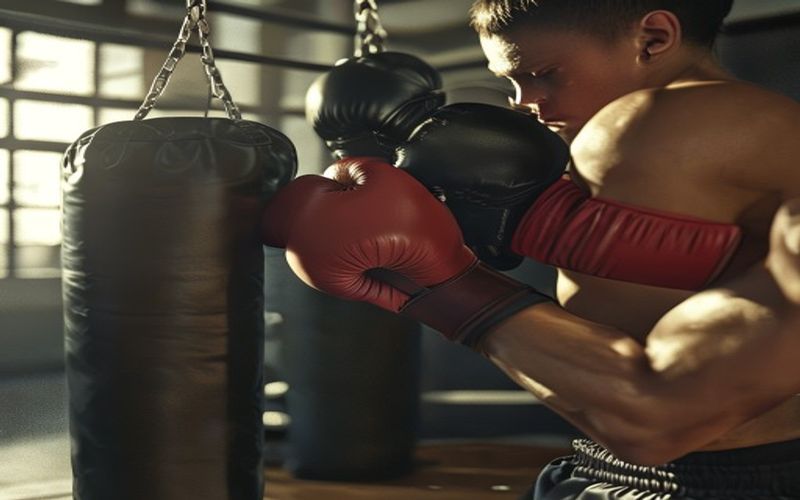
Boxing gloves (the big, padded kind) are for striking with a closed fist — bag work, pads, and boxing sparring. MMA gloves are small, fingerless, and built for grappling as well as striking, with far less padding. They are not interchangeable: you can't grapple in boxing gloves, and you should never spar hard striking in thin MMA gloves. Decide what you train, then buy the glove built for it. Many people need two pairs — a boxing gloves set for bag and pad work and a mma gloves pair for rolling and light sparring.
Understanding glove weight (ounces)
Boxing gloves are sized in ounces, which describes padding, not your fist size. As a rough guide: 12oz for bag and pad work, 14–16oz for sparring (more padding protects your partner), and heavier for larger people. The classic mistake is buying one light pair for everything — light gloves are fine on a bag but dangerous in sparring. If you'll do both, a 16oz sparring pair plus a lighter bag pair is the safe setup.
Fit and closure
A glove should be snug with a hand wrap on but not cut off circulation, and your fist should pack tightly without sliding. Velcro closures are easiest for solo training (you can get them on and off yourself); lace-ups give a better, tighter fit but need a partner. For most people, good Velcro gloves are the practical choice. Always train in hand wraps underneath — they protect the small bones and tendons in your hand and double the life of the glove's interior.

Material and build quality
Genuine leather gloves last for years and break in beautifully but cost more; quality synthetic (PU) leather is cheaper and fine for beginners or occasional training. What matters more than the marketing is the padding: layered foam holds up and protects; cheap single-density foam compresses flat within months and stops protecting your knuckles. Spend on padding and stitching, not on a brand name. Round it out with a gym bag that lets the gloves air out between sessions.
Hygiene matters more than you think
Gloves trap sweat and become bacterial swamps, which is how skin infections spread in gyms. Never leave them sealed in a bag — air them out after every session, use a glove deodorizer, and replace the wraps regularly. A few minutes of care prevents the smell, the bacteria, and the early breakdown of the padding.
What I'd skip
Skip one cheap pair "for everything" — bag gloves and sparring gloves are different tools. Skip the lightest gloves for sparring; they hurt your partners and your hands. Skip training without wraps to save two minutes. And skip top-tier pro gloves as a beginner — solid mid-range gloves protect you just as well while you learn.
The honest answer
Buy the glove built for what you actually do: heavier, well-padded boxing gloves for striking and sparring, dedicated MMA gloves for grappling, and always wraps underneath. Spend on padding and stitching over brand, keep them aired out, and replace them when the foam packs flat. Do that and your hands will outlast several pairs of gloves.
Ready to shop? Compare boxing gloves across stores →