
The car emergency kit I would build today vs the overkill one I built in 2019
I built my first car emergency kit in 2019 after a -22°C breakdown on the 401 north of Toronto with a dead phone and 40 minutes of cell-network silence before the tow truck arrived. The kit I built then was an overkill mess. The kit I'd build today costs less, weighs less, and has actually been useful once or twice.
The 2019 kit had 19 items including a hand-crank radio, a wool blanket, three different multi-tools, a survival hatchet, and a deck of waterproof playing cards. About four of those mattered. The rest sat in the trunk burning fuel and reducing visibility through the back window. The bag that holds the new short list is the size of a hardcover book.
Who actually needs more than a charger and jumper cables
If you commute 15 minutes each way on city roads with reliable cell coverage, you don't need a survival kit in your trunk. You need a portable jump starter (better than cables), a phone charging cable, and that's it. The fanciest emergency kit in the world doesn't help when the practical answer is to call CAA or AAA from a coffee shop.
The threshold for a real kit is one of three things: regular highway driving past 30 minutes from a town, winter driving in temps below -10°C, or driving through areas where cell coverage drops. Hit any of those and the calculus changes. The 90-minute wait for a tow truck on a rural highway in February is genuinely dangerous if you have nothing to keep warm with. A simple Arcturus heavy wool blanket solves 80% of that fear by itself.
What actually matters
Three things separate a kit that helps from one that just sits there.
Heat source first. HotHands hand warmers and a thick wool blanket beat any fancy survival contraption. The blanket is the load-bearing item, not the mylar space blanket that crinkles loudly and tears within five minutes of real use. A real wool layer holds heat when it gets wet. Mylar does not.
Light source second. A Black Diamond Spot 400 headlamp (not handheld — handheld means one of your hands is occupied) with at least 200 lumens and a battery that holds charge through a winter in the trunk. The cheap LED ones from the dollar store die within a year of -20°C cycling. Spend the $40 on a quality unit.

Signalling third. A reflective triangle (legally required in many provinces and states anyway), a high-visibility safety vest, and at least one LED road flare that works in rain. The traditional pyrotechnic flares are illegal in most enclosed spaces and a fire risk. LED is the right answer.
The kit I'd actually build today
For roughly $120 total in 2026: a NOCO GB40 jump starter (one item that replaces jumper cables AND the dead-phone-charger problem), a wool blanket, six hand warmers, a 200-lumen rechargeable headlamp with USB-C, a reflective triangle, a high-vis vest, two LED road flares, a basic First Aid Only car kit, an ice scraper with a brush handle, and a small bag of cat litter or sand for tire traction. That's it.
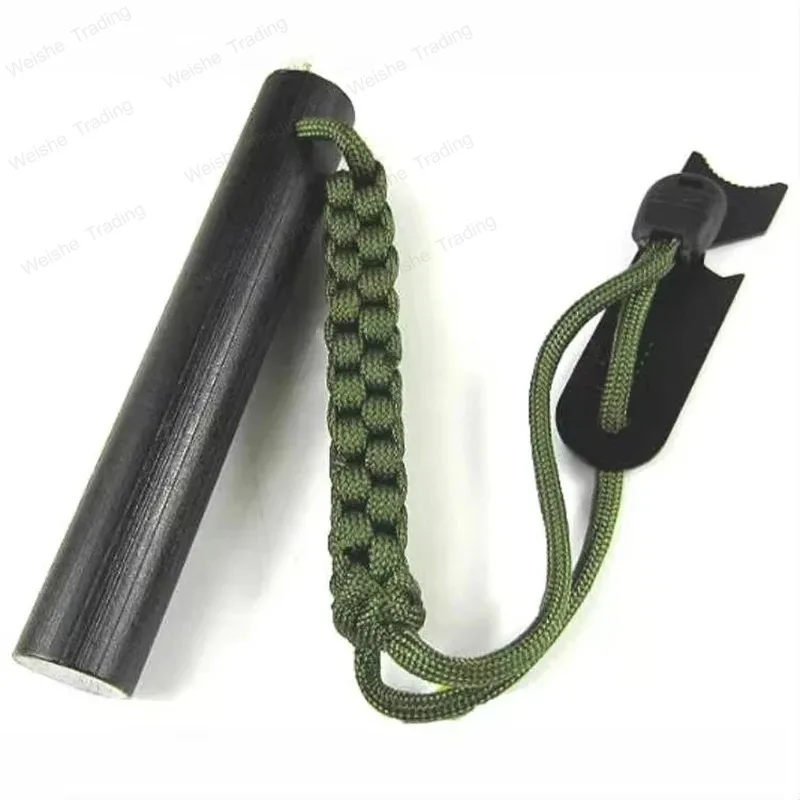
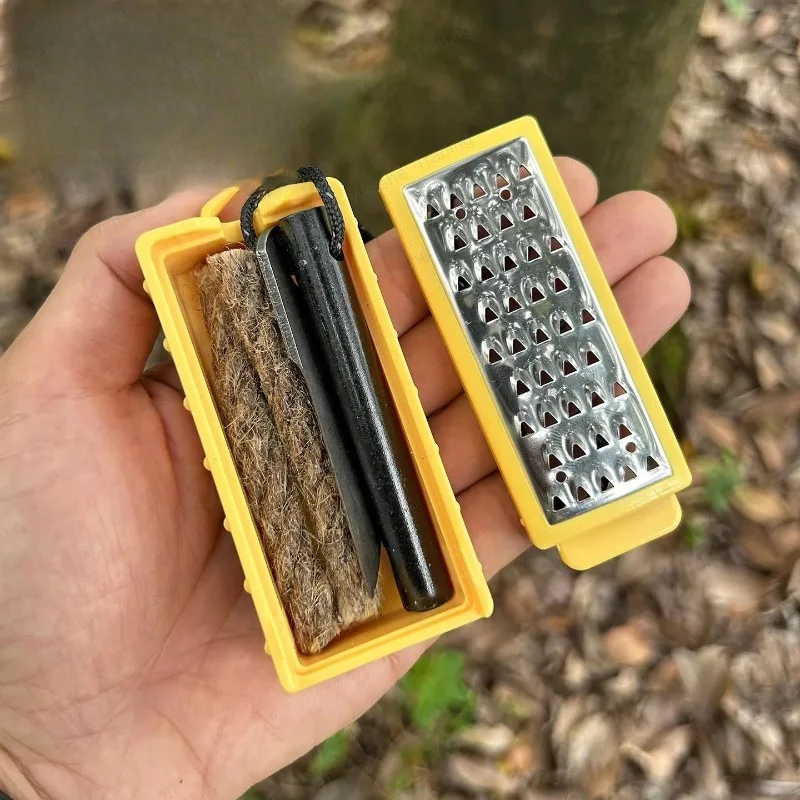
What got dropped from the 2019 version: the hatchet (if I'm ever in a situation where I need to chop wood from my car, I've made worse decisions earlier in the day), two of the three multi-tools (one Leatherman Wave Plus suffices), the hand-crank radio (my phone plus the jump starter's USB port works), the survival cards (sorry, past me), and the prepper-grade fire starter (I'm not lighting a fire next to a stalled car on a highway).
What to spend more on, what to spend less on
Spend more on the jump starter. The $40 ones from gas stations don't hold charge in cold and lie about peak amps. A $90-130 unit from a real brand (NOCO is the safe bet) actually works at -25°C, holds charge for six months without topping up, and has integrated USB-C for the phone problem.
Spend less on basically everything else. The $8 wool blanket from a hardware store is as good as the $50 "survival" one. The $15 first-aid kit covers the same use cases as the $80 one for what you'll actually need in a car situation.
The exception is the kit organisation itself. A real trunk organiser with dividers keeps everything in place when you brake hard. A loose pile of gear becomes a projectile in a collision and stays disorganised forever. Spend the $25 here.
Same logic plays out in extended car warranties — the marketed price-tier rarely matches where the value actually sits. $200 of branded "emergency kit" buys you the same usable contents as a thoughtful $90 build.

Mistakes that make the kit useless
Never opening the kit in the off-season. Hand warmers expire. Headlamp batteries discharge. Adhesive bandages dry out. A 30-second seasonal check (spring and fall) catches everything before it lets you down. I do mine when I swap winter tyres off and on.
Storing it where you can't reach it from the driver seat. Point of an emergency kit is that you can get to it before exiting the vehicle in cold or rain. A small back-seat organiser holds the critical 4-5 items behind the driver. The full kit can live in the trunk.
Buying the pre-packed 144-piece survival kit in a branded box. They look impressive on Amazon and almost everything inside is junk. The included gloves are paper-thin. The compass is unlabelled. The blanket is mylar. The flashlight runs on the wrong battery size.
Forgetting fluids. Pack a small bottle of concentrated washer fluid and a small bottle of antifreeze. A frozen washer-fluid reservoir is the single most-cursed problem in February driving and the easiest one to prevent.
The car emergency kit that works is short, well-organised, and actually checked twice a year. The one that doesn't work is a $200 Amazon box with a 5-star average and 144 items, three-quarters of which would fail at the first real cold snap.
Ready to shop? Compare Survival & Outdoor across stores →