

Common Diamond Scams (and How Not to Fall for Them)

Diamond scams thrive on one thing: most people buying a diamond don't know much about diamonds. That knowledge gap is the whole con. The good news is that the common tricks are well-known and easy to defeat once you've seen them — so let's take away the magician's cover.
These aren't rare, exotic frauds. Several are routine practices in ordinary jewelry stores. Here's what to watch for.
The Carat Total Weight trick
The most common one, and it's everywhere: a multi-stone ring is tagged with the total carat weight of all the diamonds combined ("1 CTW"), not the weight of the center stone. Buyers assume the main diamond is bigger than it is. Always ask for the carat weight of the center stone specifically — if a seller dodges, that's your answer.
The stone switch
You inspect a beautiful certified diamond, agree to buy, and a different (lower-quality) stone is what actually goes into the setting or the box. Defeat it by buying stones with a laser-inscribed certificate number and confirming that number on the stone matches the paper before you leave. A jewelers loupe lets you check the inscription yourself.
Inflated "appraisals"
A seller hands you an appraisal valuing the diamond at double what you're paying, so you feel like you got a steal. Appraisals from the selling jeweler are meaningless for this — they're not independent and are often inflated to justify the price (and the insurance premium). Trust a GIA grading report, not a flattering appraisal.
Fake or treated stones
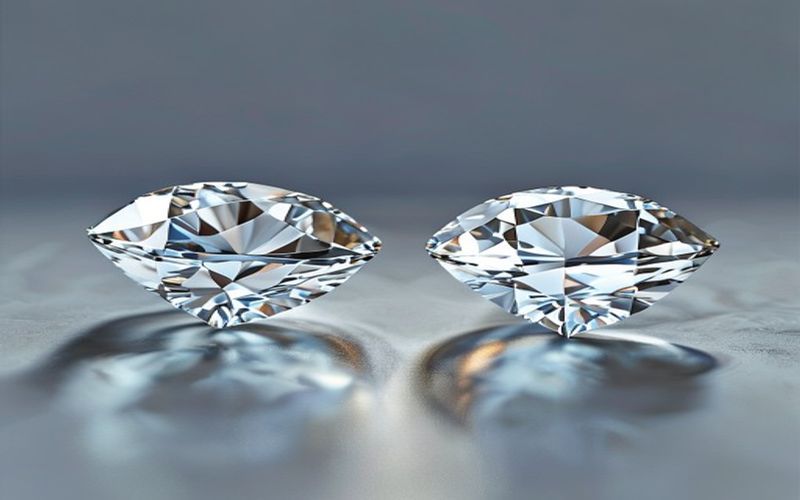
Cubic zirconia, moissanite, lab-grown sold as natural, or diamonds that have been clarity-enhanced or color-treated without disclosure. A cheap diamond tester catches outright fakes in seconds, but for treatment and natural-vs-lab questions, an independent certificate is the only real protection.
What I'd skip
Skip judging a multi-stone piece by its CTW — get the center-stone weight in writing. Skip the seller's own appraisal as proof of value. And skip any "today only" pressure deal; urgency is the scammer's favorite tool, and a real diamond will still be a good buy tomorrow.
The honest answer
Almost every diamond scam falls apart against three habits: demand an independent GIA/AGS certificate, confirm the center-stone weight and the inscription match the actual stone, and never let a "deal" rush you. Know those moves and the knowledge gap the scammers rely on simply isn't there.
Ready to shop? Compare diamond tester across stores →