

Lab-Grown vs. Natural Diamonds: What's the Difference?

The first synthetic diamonds were produced by General Electric back in 1954, and the technology has advanced enormously since. A lab-grown diamond is, quite literally, a diamond — it has the same hardness, refractive index, durability, and chemical and optical properties as one mined from the earth. They're not "fake" or imitation; they're real diamonds, just made in a laboratory rather than over billions of years underground. As lab-grown diamonds have become widely available at a fraction of natural-diamond prices, more buyers are asking: what's the real difference, and which should I choose? Here's an honest comparison.
They're genuinely the same material
Let's start with the most important fact: lab-grown diamonds are chemically, physically, and optically identical to natural diamonds. They're made of the same crystallized carbon, they sparkle the same way, they're just as hard, and they last just as long. The only difference is origin — one grew in the earth's mantle over eons, the other in a high-tech lab over weeks, using processes that replicate the natural conditions. To the naked eye, even to a jeweler without specialized equipment, a quality lab-grown diamond and a natural one are indistinguishable. This isn't an imitation like cubic zirconia or moissanite (which are different materials) — it's the real thing.
The big difference: price
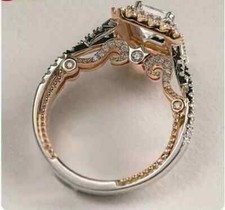
The headline advantage of lab-grown diamonds is cost. They typically sell for a large fraction less than comparable natural diamonds — often 60–80% cheaper for a stone of similar size and quality. That means you can get a significantly larger or higher-quality lab-grown diamond for the same budget, or the same diamond for far less money. For many buyers, especially for engagement rings, this is transformative: a beautiful, certified, real diamond that doesn't require an enormous outlay. The price gap is the single biggest reason lab-grown diamonds have surged in popularity. A lab grown diamond ring offers real diamond beauty at a much more accessible price.
How they're graded
Lab-grown diamonds are graded on the same 4 Cs as natural ones — cut, color, clarity, and carat — and quality varies among them just as it does with natural stones. Reputable labs certify lab-grown diamonds too, and you should insist on certification that clearly identifies the stone as lab-grown and grades its quality. Apply the same buying wisdom: prioritize cut for sparkle, balance the other Cs to your budget, and buy certified from a reputable seller. A lab-grown diamond deserves the same careful evaluation as any diamond — the lab origin doesn't mean you skip the quality check.

The ethics and environment angle
For many buyers, lab-grown diamonds appeal on ethical and environmental grounds. They sidestep concerns about "conflict" or "blood" diamonds entirely, since their origin is fully traceable to a lab. Their environmental footprint is also often cited as lower than mining, though this depends on the energy source used to produce them (and the natural-diamond industry has made strides on ethics and sustainability too). If knowing exactly where your diamond came from, with no mining concerns, matters to you, lab-grown offers genuine peace of mind. It's a real consideration that draws many people to them beyond just the price.
The case for natural diamonds
Natural diamonds still hold real appeal that lab-grown can't replicate. There's the romance and symbolism of a stone billions of years old, formed deep in the earth — a rarity and natural origin that some people find meaningful in a way a lab-made stone isn't. Natural diamonds are genuinely rare, while lab-grown diamonds can be produced in quantity, which is part of why they're cheaper. For those who value the tradition, the story, and the natural rarity, a mined diamond carries something a lab-grown one doesn't, and that's a perfectly valid reason to choose one. It comes down to what you personally value.
The resale value question
One honest caveat about lab-grown diamonds: their resale value is generally lower and less certain than natural diamonds. Because lab-grown stones can be produced in quantity and their prices have been falling as production scales, a lab-grown diamond may be worth considerably less if you try to resell it later — whereas natural diamonds, while not great investments either, tend to hold value somewhat better due to their rarity. If you view your diamond purely as something to wear and enjoy (as most people do), this may not matter to you. But if resale or "investment" is a consideration, it's a real point in natural diamonds' favor worth knowing upfront.
Which should you choose?
There's no universally right answer — it depends on what you value. Choose lab-grown if you want maximum size and quality for your money, care about avoiding mining concerns, and view the diamond as something to enjoy rather than resell. Choose natural if the rarity, the romance of a billion-year-old stone, the tradition, and somewhat better value retention matter more to you. Both are real diamonds; neither choice is wrong. Be honest about your priorities and budget, buy certified from a reputable seller either way, and you'll get a beautiful diamond you can feel good about.

What I'd skip
Skip thinking lab-grown means "fake" — they're real, identical diamonds. Skip buying either type without certification from a reputable lab. Skip assuming lab-grown holds its value like natural; resale is generally lower. And skip letting anyone shame your choice — both are legitimate, and the right one is whichever fits your values and budget.
The honest answer
Lab-grown and natural diamonds are the same material — real diamonds, identical in look and durability — differing only in origin. Lab-grown costs dramatically less (letting you get more for your money) and avoids mining concerns, but has lower resale value and lacks the rarity and romance of a natural stone. Natural diamonds carry that billion-year story and hold value somewhat better, at a much higher price. Both are genuine and beautiful, so choose based on what you value — size and ethics, or rarity and tradition — buy certified from a reputable seller, and enjoy a real diamond that's right for you.
Ready to shop? Compare lab grown diamond ring across stores →