
Tuning Your Car: The Basics That Actually Make a Difference

"Tuning" gets thrown around to mean everything from an oil change to a thousand-pound engine remap, and that vagueness costs people money. Before you spend a penny chasing performance, it pays to understand what tuning actually covers and the sensible order to tackle it in. Done right, it transforms a car. Done backwards, it drains your wallet for nothing.
I think of tuning as a ladder, and most people try to climb it from the top. They want the headline power upgrade before they've done the boring foundational work that makes the car run properly in the first place. Get the order right and every pound spent actually shows up in how the car drives.
Start with a proper tune-up
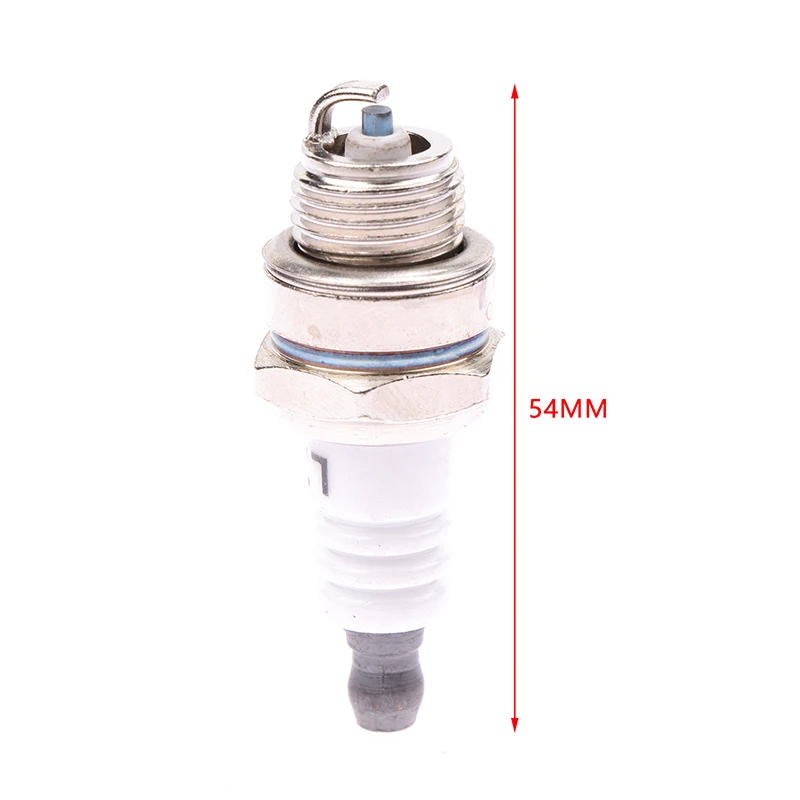
The unglamorous truth is that the single biggest improvement for most cars is simply being in good health. A genuine tune-up, fresh oil and filter, clean air filter, healthy spark plugs, correct fluids, directly affects fuel economy, engine response, smoothness, and how long the engine lasts. A tired, neglected engine can't make use of any upgrade you bolt on.
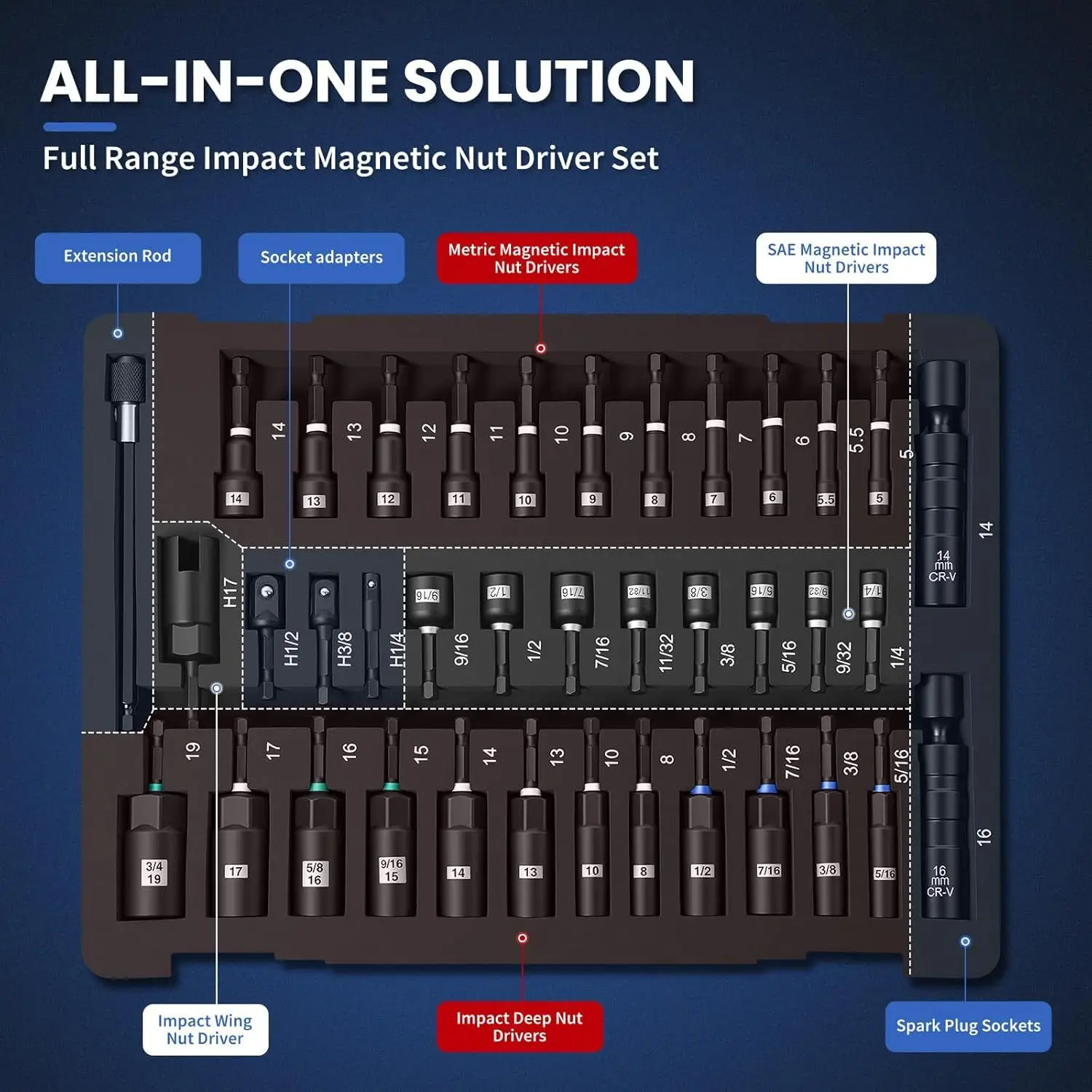
Do this regularly and you keep the car at its baseline best, which is further than most neglected cars ever reach. It's also where you save real money, because a well-maintained car makes fewer trips to the garage for the expensive failures that neglect invites. Before you dream of more power, make sure the car you have is running as it should. A basic obd2 scanner and a spark plug socket set make this work straightforward at home.
Handling beats horsepower
If you want a car that's genuinely more fun and more capable, spend on handling before power. A car that turns in cleanly, stays stable through corners, and puts its grip down predictably is faster and safer in the real world than one that simply has more straight-line punch it can't use.

Good handling is a balance of many things: the car's fundamental geometry, its weight and where that weight sits, the chassis stiffness, and the grip balance front to rear. You want the rear to have enough grip to stay planted but enough give to rotate cleanly into a corner, not so much grip that the car won't turn and not so little that it slides unpredictably. Tyres, alignment, and suspension condition matter enormously here, often more than any engine work. A tyre pressure gauge and proper alignment are cheap wins most people skip.
The driver is the most overlooked upgrade
Here's the upgrade nobody can sell you: your own technique. The fastest, smoothest way around any road or track is consistency and control, not raw aggression. A driver who is quick and completely in command will beat one who is fast and ragged every single time, in the same car. Being out of control isn't fast, it's just frightening.
The goal is to drive at the car's limit while staying smooth, planning ahead, and never being surprised. That's a skill you build with practice, ideally somewhere safe and legal like a track day, not on public roads. It costs far less than a power upgrade and improves every car you'll ever drive. A set of driving gloves and a decent helmet are the right place to spend before any engine part if track days are your plan.
Have the right tools and know your limits
If you're doing your own work, a basic kit goes a long way: screwdrivers, pliers, vise-grips, a proper wrench set, a torque wrench, and the odd specialised tool a particular job demands. Working on your own car teaches you how it actually goes together, which makes you a better owner even when you do pay a professional. A mechanics tool set and a torque wrench are the foundation worth buying once and keeping for life.

But be honest about your limits. Some jobs need specialist equipment, precise torque figures, or experience you don't yet have, and a botched performance job can be expensive or dangerous. There's no shame in handing the tricky work to a good mechanic; the smart owner knows which jobs are theirs and which aren't. Keep a quality trolley jack and proper jack stands so the jobs you do attempt are done safely.
The honest order to do it all
So here's the sequence that actually works. First, get the car genuinely healthy with a thorough tune-up. Second, sort the handling so it does what you ask cleanly and predictably. Third, invest in your own driving so you can use what the car already has. Only then, if you still want it, reach for the power upgrades, because by that point you'll have a car worth adding power to and the skill to exploit it. Climb the ladder in that order and tuning becomes money well spent rather than money quietly wasted.
Ready to shop? Compare spark plug socket set across stores →