
Does Faster Trade Execution Actually Make You Money?

Every platform brags about millisecond execution as if speed alone were the secret to profit. It isn't. Fast execution removes a few real frictions, but it also tempts beginners into trading far more than they should.
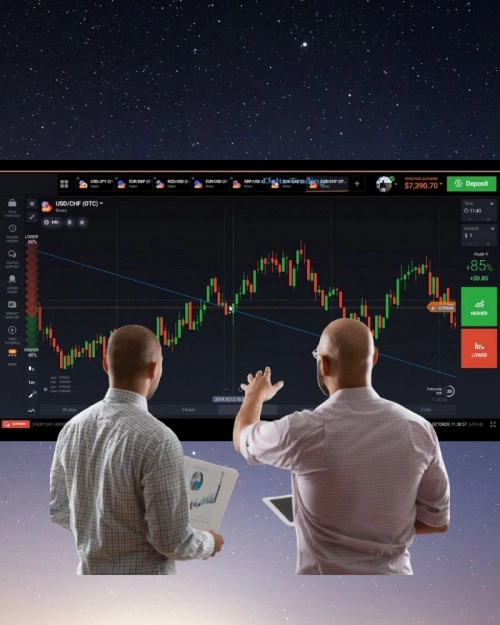
Automatic execution systems let your orders fill almost instantly based on preset rules and technical conditions, instead of waiting for a counterparty to manually accept your deal. In the old manual model, a trade could sit unfilled while someone reviewed market conditions and exchange rates. That delay genuinely cost opportunities. Automation collapsed it to a fraction of a second, and that's a legitimate improvement.
Faster fills also support useful features: automatic trailing stops that lock in gains as a trade moves your way, instant stop and limit orders, and the ability to act on short-lived setups before they vanish. For an active trader, these aren't gimmicks. They're the difference between a clean exit and a slipped one.
Where the speed story gets oversold
Here's what the marketing implies but never says outright: faster execution lets you place more trades per day, and more trades is presented as obviously better. It isn't. The number of trades you can physically execute has nothing to do with whether those trades are good. Speed amplifies whatever your strategy already does. If your strategy has an edge, faster execution helps. If it doesn't, faster execution just helps you lose faster.

Overtrading is one of the most reliable ways beginners destroy accounts. The constant possibility of instant action, combined with a market open around the clock, creates a slot-machine pull. A trading journal usually reveals the truth: the extra trades you crammed in were your worst ones. Logging them in a notebook for finance makes the pattern impossible to deny.
What actually moves your results
Profitability comes from the quality of your decisions and your risk control, not your reaction time. A trader who places three well-reasoned trades a week with tight stops will usually outlast one who fires off twenty impulsive ones a day on a faster platform. Execution speed is a hygiene factor; once it's adequate, more of it adds little.
That said, severe execution problems do cost real money. Slippage, where your order fills at a worse price than expected during volatile moments, and requotes can eat into returns. So you want execution that's reliable and reasonable, not record-breaking. Use a financial calculator to see how slippage compounds across many trades; it's more significant than a few milliseconds of speed. A good forex trading book will frame this honestly rather than as a feature war.
A saner way to think about it
Pick a platform with solid, dependable execution and then stop thinking about speed. Redirect that attention to your strategy, your position sizing, and your discipline, which is where the actual money is won or lost. Test execution quality on a demo account during busy market hours, note your findings in a desk organizer, and resist any pitch that frames raw speed as a path to profit.

Fast execution is a convenience worth having and a poor reason to choose anything. The traders who survive aren't the fastest. They're the most disciplined.
General information only, not financial advice. Forex trading is high-risk and most retail accounts lose money. Trade only what you can afford to lose.
Ready to shop? Compare forex trading book across stores → 📚 Or browse investing & money courses in Digital Goods →