
Forex Trading Signals: What They're Worth and What They're Not

The appeal is obvious: pay a subscription and someone tells you exactly when to buy and sell, no analysis required. The reality is that most signal services are mediocre at best, and trading on alerts you don't understand is its own kind of gambling.
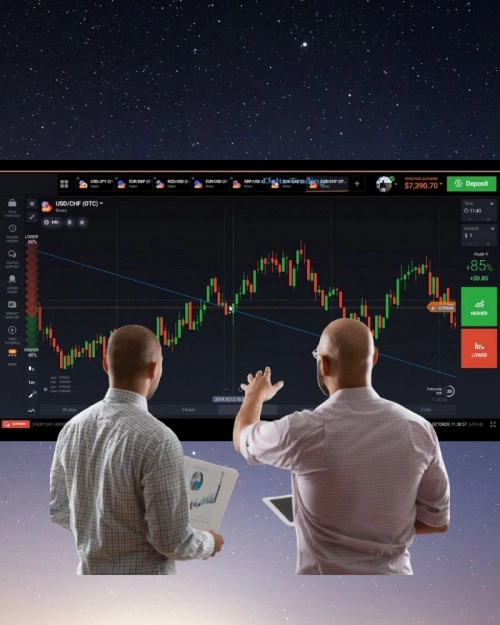
A forex trading signal is a recommendation to enter or exit a trade on a specific currency pair, usually with a suggested entry point, a stop-loss, and a target. Automated signal services generate these from technical rules and deliver them in real time by email, app notification, or text, so you can act the moment an opportunity appears. The promise is that you skip the hard work of analysis and just follow instructions.
Signals aren't inherently a scam. A well-built service can flag setups you'd have missed and impose a structure on traders who'd otherwise act on impulse. The problem is everything around that: quality varies enormously, and the worst services are designed to extract subscription fees, not to make you money.
Why blind following backfires
If you take signals without understanding the reasoning, you can't tell a good alert from a bad one, and you can't manage the trade when conditions shift. The signal tells you to enter; it can't tell you that a major economic announcement is thirty minutes away and likely to whipsaw the market. You're flying on someone else's instruments with no idea how they work.

You'll also find signals everywhere for free, from newspapers, forums, social media, and chat groups, and many are biased, late, or simply wrong. Someone hyping a trade may already hold the position and want you to push the price their way. Treat every free signal with suspicion and log the ones you follow in a trading journal so you can score the source over time. A forex trading book on technical analysis will help you judge whether a signal's logic actually holds up.
How to evaluate a paid service honestly
If you're considering a paid signal provider, demand transparent, long-term performance, real results across good and bad markets, not a screenshot of one great month. Stick with services that have operated for years and built a genuine reputation, and be deeply wary of anyone promising consistent wins. No honest provider guarantees profit, because nobody can.
Try any service alongside a demo account before risking real money, so you can measure its alerts against actual outcomes without paying for the lesson. Track win rate, average win versus average loss, and drawdown in a notebook for finance. Run the numbers through a financial calculator, because a service can be right most of the time and still lose you money if its losses dwarf its wins.
The better use of signals
The healthiest way to use signals is as a second opinion, not a master. Generate your own view from your own analysis, then see whether a signal agrees or disagrees and ask why. Over time you'll lean on the service less and on your own judgment more, which is the point. Keep your sources, scores, and notes organised in a desk organizer so you can cut the dead weight.

A signal is information, and information is only as good as your ability to interpret it. The traders who profit from signals are the ones who least need them. The ones who blindly follow alerts are usually funding someone else's subscription business with their losses.
General information only, not financial advice. Forex trading is high-risk and most retail traders lose money. No signal service can guarantee returns.
Ready to shop? Compare forex trading book across stores → 📚 Or browse investing & money courses in Digital Goods →