യഥാർത്ഥത്തിൽ പറ്റിനിൽക്കുന്ന നിക്ഷേപ ട്രാക്കിംഗ്: ലളിതമായ സ്റ്റാക്ക്
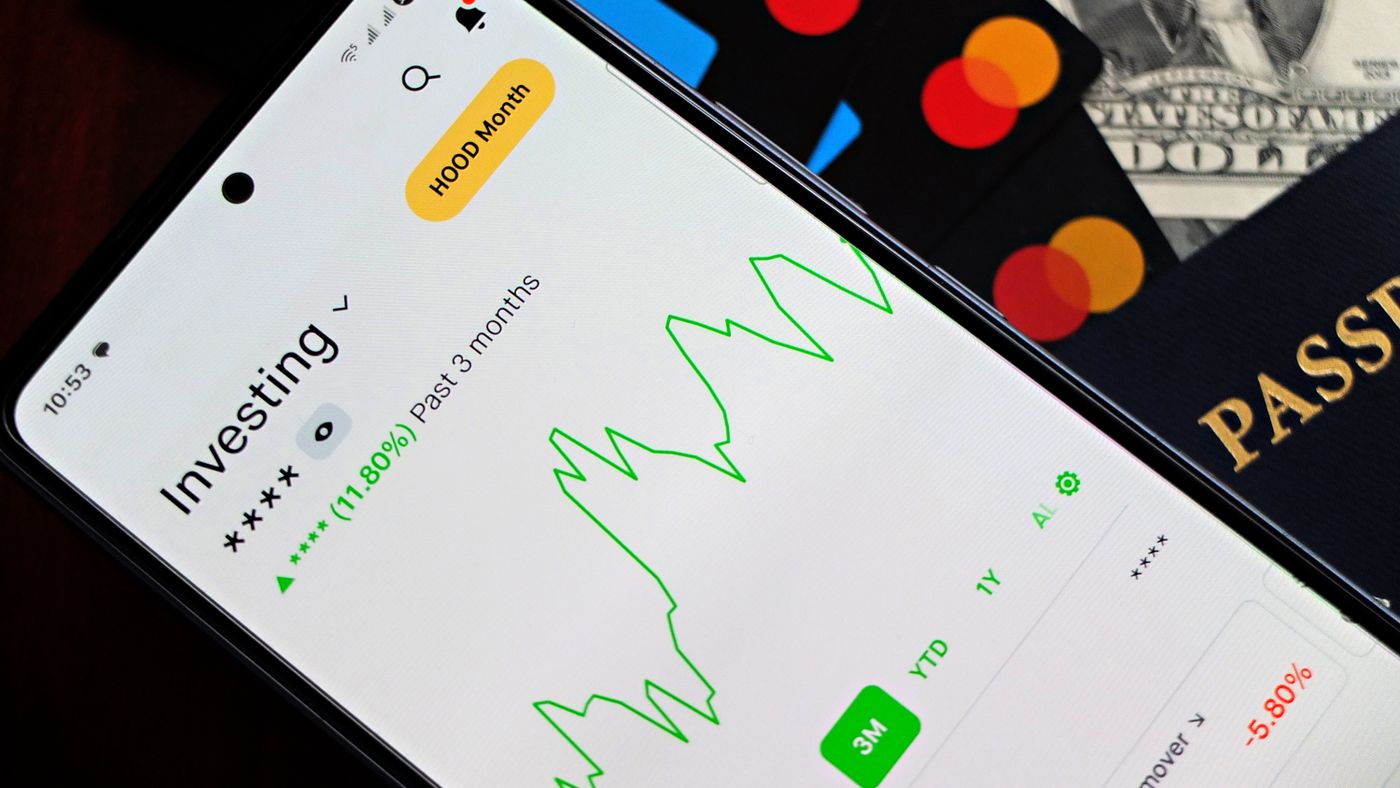
എൻ്റെ ഫോണിലെ 5-വരി കുറിപ്പിനും ത്രൈമാസ അവലോകനത്തിനും വേണ്ടി ഞാൻ 40-ടാബ് സ്പ്രെഡ്ഷീറ്റ് ഉപേക്ഷിച്ചു. രണ്ട് വർഷത്തിന് ശേഷം, എൻ്റെ തിരിച്ചുവരവിന് മാറ്റമില്ല. എൻ്റെ ഉത്കണ്ഠ ഇല്ലാതായി.
എൻ്റെ നിക്ഷേപ സ്ഥാനങ്ങൾ, ലാഭവിഹിതം, എന്നിവയുമായി ഒരു മൾട്ടി-ടാബ് Excel ഫയൽ അപ്ഡേറ്റ് ചെയ്യുന്നതിന് എല്ലാ ഞായറാഴ്ചയും ഞാൻ രണ്ട് മണിക്കൂർ ചെലവഴിക്കുമായിരുന്നു. വിഹിതം, ത്രെഷോൾഡുകൾ പുനഃസന്തുലിതമാക്കുന്നു. എനിക്ക് ഉൽപ്പാദനക്ഷമത തോന്നി. വർഷത്തിൽ രണ്ടുതവണ അക്കൗണ്ടുകൾ നോക്കുന്ന എൻ്റെ സുഹൃത്തിനേക്കാൾ മികച്ച നിക്ഷേപകനായിരുന്നില്ല ഞാനും. രണ്ട് വർഷം മുമ്പ് ഞാൻ ലളിതമാക്കി. ഞാൻ ഇപ്പോൾ ഉപയോഗിക്കുന്ന സ്റ്റാക്ക് ഇതാ.
അഞ്ചുവരി കുറിപ്പ്
ആപ്പിൾ കുറിപ്പുകളിൽ സംഭരിച്ചു, പുതുക്കിയത് ത്രൈമാസിക. അഞ്ച് വരികൾ:
- എല്ലാ അക്കൗണ്ടുകളിലും നിക്ഷേപിച്ച ആകെ തുക
- ടാർഗെറ്റ് അലോക്കേഷൻ (സ്റ്റോക്കുകൾ/ബോണ്ടുകൾ/പണം)
- നിലവിലെ വിഹിതം
- ലക്ഷ്യത്തിൽ നിന്ന് നീങ്ങുക
- അടുത്ത പാദത്തിലെ സംഭാവന പദ്ധതി
ഡ്രിഫ്റ്റ് 5 കവിയുന്നുവെങ്കിൽ ശതമാനം പോയിൻ്റുകൾ, ഞാൻ വീണ്ടും ബാലൻസ് ചെയ്യുന്നു. അല്ലെങ്കിൽ, ഞാൻ ഒന്നും ചെയ്യുന്നില്ല. മിക്ക ക്വാർട്ടേഴ്സിലും ഞാൻ ഒന്നും ചെയ്യുന്നില്ല.
ത്രൈമാസ അവലോകനം
30 മിനിറ്റ്. ഞാൻ തുറക്കുന്നു ശാക്തീകരിക്കുക (സൗജന്യമായി) മൊത്തം മൂല്യമുള്ള ചിത്രം, സ്ഥാനങ്ങൾക്കായുള്ള എൻ്റെ ബ്രോക്കറേജ് ആപ്പ്, മുകളിലുള്ള കുറിപ്പ്. ഞാൻ അഞ്ച് വരികൾ അപ്ഡേറ്റ് ചെയ്യുന്നു. ഞാൻ ഏതെങ്കിലും റീബാലൻസ് ട്രേഡുകൾ നടത്തുന്നു. ഞാൻ ആപ്പുകൾ അടയ്ക്കുന്നു. അത്രയേയുള്ളൂ.
പഴയ സ്പ്രെഡ്ഷീറ്റിൽ നിന്ന് ഞാൻ ഉപേക്ഷിച്ചത്
നറുക്കെടുപ്പിലൂടെ ചെലവ് അടിസ്ഥാനമാക്കിയുള്ള ട്രാക്കിംഗ്. ബ്രോക്കറേജ് ഇത് ട്രാക്ക് ചെയ്യുന്നു; എനിക്ക് ആവശ്യമില്ല. സ്ഥാനം അനുസരിച്ച് വാർഷിക വരുമാനം. രസകരമായ നിസ്സാരകാര്യങ്ങൾ, പ്രവർത്തനക്ഷമമല്ല. ഡിവിഡൻ്റ് പുനർനിക്ഷേപ വിളവ്. മൊത്തം റിട്ടേണിലേക്ക് ഇതിനകം ഫാക്ടർ ചെയ്തിട്ടുണ്ട്.
കുറച്ച് ചെയ്യാൻ പഠിപ്പിച്ച പുസ്തകങ്ങൾ
ദി ബുദ്ധിമാനായ നിക്ഷേപകൻ ബെൻ ഗ്രഹാം എഴുതിയത് (ജേസൺ സ്വീഗ് കമൻ്ററി പതിപ്പ്). പ്രധാന സന്ദേശം: മിക്ക വിപണി പ്രവർത്തനങ്ങളും ശബ്ദമാണ്, അച്ചടക്കമുള്ള നിക്ഷേപകൻ്റെ ജോലി അത് അവഗണിക്കുക എന്നതാണ്. പണക്കാരനായ അച്ഛൻ പാവം അച്ഛൻ കിയോസാക്കിയുടെ മിക്ക സവിശേഷതകളോടും ഞാൻ വിയോജിക്കുന്നുവെങ്കിലും, വരുമാനം-വസതി-ആസ്തി ഫ്രെയിമിംഗിനായി. ആറ്റോമിക് ശീലങ്ങൾ ക്ഷമയോടെയുള്ള പ്രക്രിയ കോണിനായി.
ഞാൻ മറ്റെവിടെയെങ്കിലും ട്രാക്ക് ചെയ്യുന്നത്
ചെലവ്: ഒരു പ്രത്യേക 8-വരി ബജറ്റ് സ്പ്രെഡ്ഷീറ്റ്, ആഴ്ചതോറും അപ്ഡേറ്റ് ചെയ്യുന്നു. മൊത്തം മൂല്യം: ശാക്തീകരണം, പ്രതിമാസ പരിശോധന. നികുതി ആസൂത്രണം: ഒരു സിപിഎയുമായുള്ള വാർഷിക സംഭാഷണം. ഇവയൊന്നും നിക്ഷേപ ട്രാക്കറിൽ ഉണ്ടാകണമെന്നില്ല.
ഇതിനെ പിന്തുണയ്ക്കുന്ന അടിസ്ഥാന സൗകര്യങ്ങൾ
A നിൽക്കുന്ന മേശ ത്രൈമാസ അവലോകന സെഷനു വേണ്ടി. ശബ്ദം റദ്ദാക്കുന്ന ഹെഡ്ഫോണുകൾ 30 മിനിറ്റ് ഫോക്കസിനായി. എ സ്റ്റാൻലി ടംബ്ലർ ജലത്തിൻ്റെ (ത്രൈമാസ അവലോകനത്തിൻ്റെ ദീർഘനേരം പ്രവർത്തിക്കാനുള്ള പ്രവണത മാത്രമാണ് അതിനെ പാളം തെറ്റിക്കുന്നത്). എ മെക്കാനിക്കൽ കീബോർഡ് ഒരു പാദത്തിൽ ഒരിക്കൽ എഴുതുന്നതിന് - എൻ്റെ സാമ്പത്തിക ജീവിതത്തിൽ ബാക്കിയുള്ള അതേ സജ്ജീകരണം.

ഏറ്റവും കഠിനമായ ഭാഗം
ഒന്നിലും തൊടാതെ ക്വാർട്ടേഴ്സുകൾക്കിടയിൽ മാർക്കറ്റ് കയറുകയോ ഇറങ്ങുകയോ ചെയ്യുന്നത് നിരീക്ഷിക്കുന്നു. ആദ്യ വർഷമായിരുന്നു അസുഖകരമായ. രണ്ടാം വർഷം, പരിശോധിക്കാനുള്ള ആഗ്രഹത്തിൻ്റെ അഭാവം ഞാൻ ശ്രദ്ധിച്ചു. അപ്പോഴാണ് സിസ്റ്റം ശരിക്കും പ്രവർത്തിക്കാൻ തുടങ്ങിയത്.
സത്യസന്ധമായ സത്യം
നിങ്ങൾ നിയന്ത്രിക്കാത്ത വിപണികളിൽ നിക്ഷേപിക്കപ്പെടുമോ എന്ന ഉത്കണ്ഠയെ നേരിടാനുള്ള ഒരു സംവിധാനമാണ് സങ്കീർണ്ണമായ നിക്ഷേപ ട്രാക്കിംഗ്. പ്രതിവിധി ഒരു മികച്ച ട്രാക്കിംഗ് അല്ല സ്പ്രെഡ്ഷീറ്റ് - ട്രാക്കിംഗ് ഫലത്തെ മാറ്റുന്നില്ലെന്ന് അംഗീകരിക്കുകയും അതിൽ കുറവ് വരുത്തുകയും ചെയ്യുന്നു.
ഷോപ്പ് ചെയ്യാൻ തയ്യാറാണോ? താരതമ്യം ചെയ്യുക സാമ്പത്തികവും നിക്ഷേപവും കടകളിൽ ഉടനീളം → 📚 അല്ലെങ്കിൽ ബ്രൗസ് ചെയ്യുക നിക്ഷേപം & പണം കോഴ്സുകൾ ഡിജിറ്റൽ സാധനങ്ങളിൽ →