What I Found When I Actually Audited My Investment Accounts
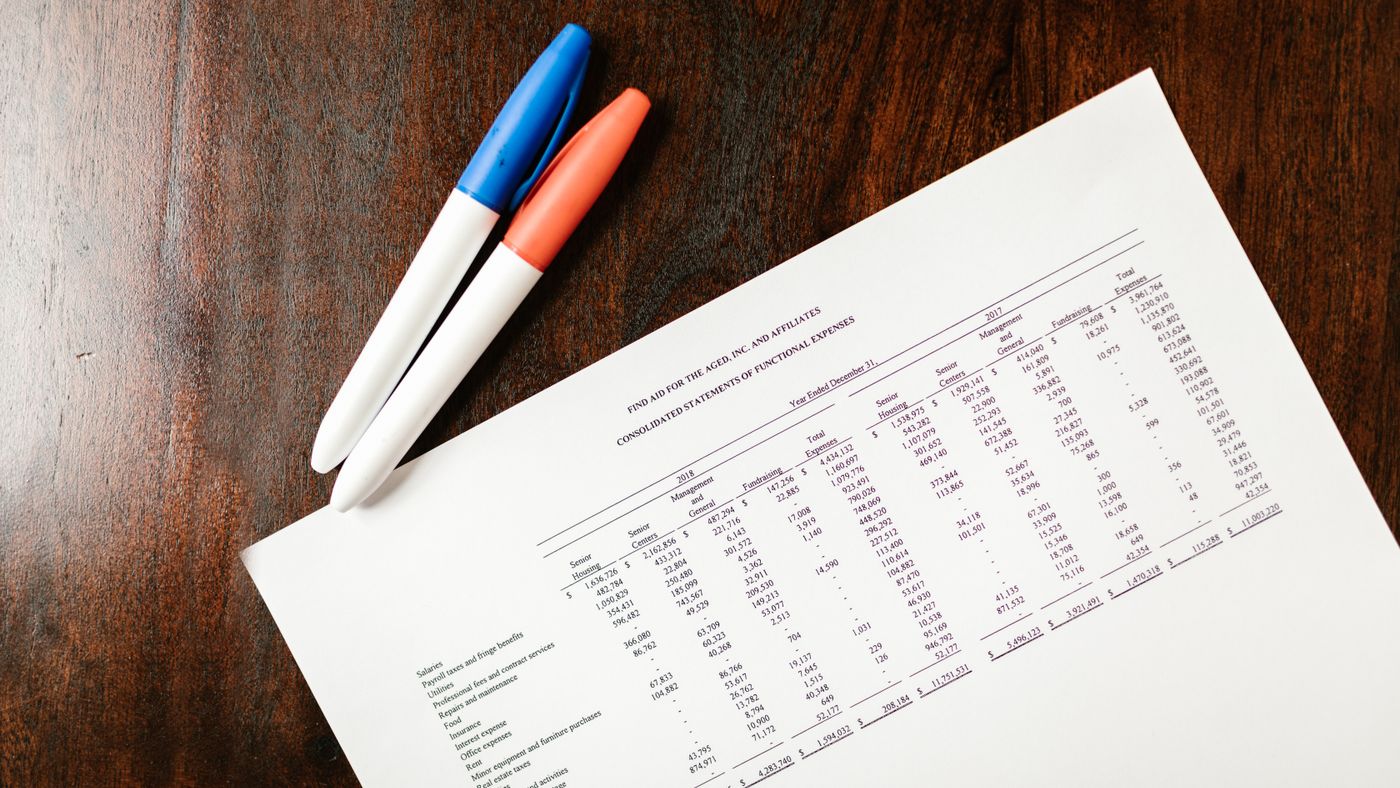
I'd been investing for six years without a complete view of what I owned. The audit took an afternoon and changed how I thought about everything I'd been doing.
Most people don't actually know what they own. They know the broad strokes — a 401k, an IRA, maybe some stocks — but they couldn't tell you their actual asset allocation, their effective expense ratio, or what they're paying in hidden fees. I was one of them. Then I spent four hours one Saturday auditing everything.
What I found
My 401k allocation was 90% US large-cap. I'd set it up at age 25 and never rebalanced. Six years later, I had zero international exposure and almost no bonds.
My old employer 401k I'd never rolled over had a 1.2% expense ratio on its default fund. That was $700/year in fees on $58,000. Rolling over to Vanguard cut it to $14/year.
I had three different brokerage accounts with three different strategies that didn't coordinate. One had concentrated tech stocks. Another had random ETFs from years of "diversifying." The third was crypto from 2021. None of them made sense as part of a larger plan.

The audit framework
Open every account. Total invested. Asset class breakdown (US equity, intl equity, bonds, cash, alternatives). Average expense ratio across all holdings. Drift from target.
Empower (free) aggregates this if you connect your accounts. A spreadsheet works if you don't want to give a service access. Either way, the exercise takes 2-4 hours and the findings usually pay for themselves within a year.
What I changed
Rolled over the old 401k. Rebalanced the active 401k to include international and bond exposure. Consolidated the three brokerages into one. Sold the random ETF collection and bought a single total-market index fund (VTI). Kept the crypto at 3% of portfolio — manageable speculation.
The books that informed it
The Intelligent Investor by Ben Graham — the case for indexing. Rich Dad Poor Dad for the income-vs-assets framing. Atomic Habits for the discipline of doing the audit annually instead of pretending it's fine.
The infrastructure
A standing desk for the audit session. noise cancelling headphones. A Stanley tumbler of water (these sessions run long). Deep Work for how to protect the time.
The honest answer
Most investors are paying more in fees than they realize and holding more concentrated positions than they intended. An afternoon audit, once a year, surfaces both. Cheap fix; meaningful improvement.
Ready to shop? Compare Finance & Investing across stores → 📚 Or browse investing & money courses in Digital Goods →