How I’d pick running shoes as a beginner without overpaying
The right beginner running shoe is almost never the most expensive one in the shop, and it is almost never the pair a salesperson is most excited about. After a lot of wrong guesses, here is how I would buy a first pair of running gear without lighting money on fire.
Most people walk into a store and get talked into a 200-dollar carbon-plated racer they have no use for yet. What a beginner actually needs is a comfortable, durable pair of running shoes that fit, full stop. The fancy stuff solves problems you do not have until you are running far enough to develop them.
Who actually needs a dedicated running shoe
If you are running more than about 10 to 15 kilometres a week, a real running shoe is worth it. The cushioning and the way the sole rolls you forward are tuned for repetitive forward motion in a way that an old pair of cross training shoes is not. Your knees will notice the difference within a couple of weeks.
If you are mostly walking, lifting, or doing classes, you do not need running shoes at all, and a flatter gym trainer is actually better on the gym floor. There is no shame in skipping this purchase. The crowd who lift more than they run can spend the money better elsewhere, and I made that case in my notes on a home gym that replaces a membership.
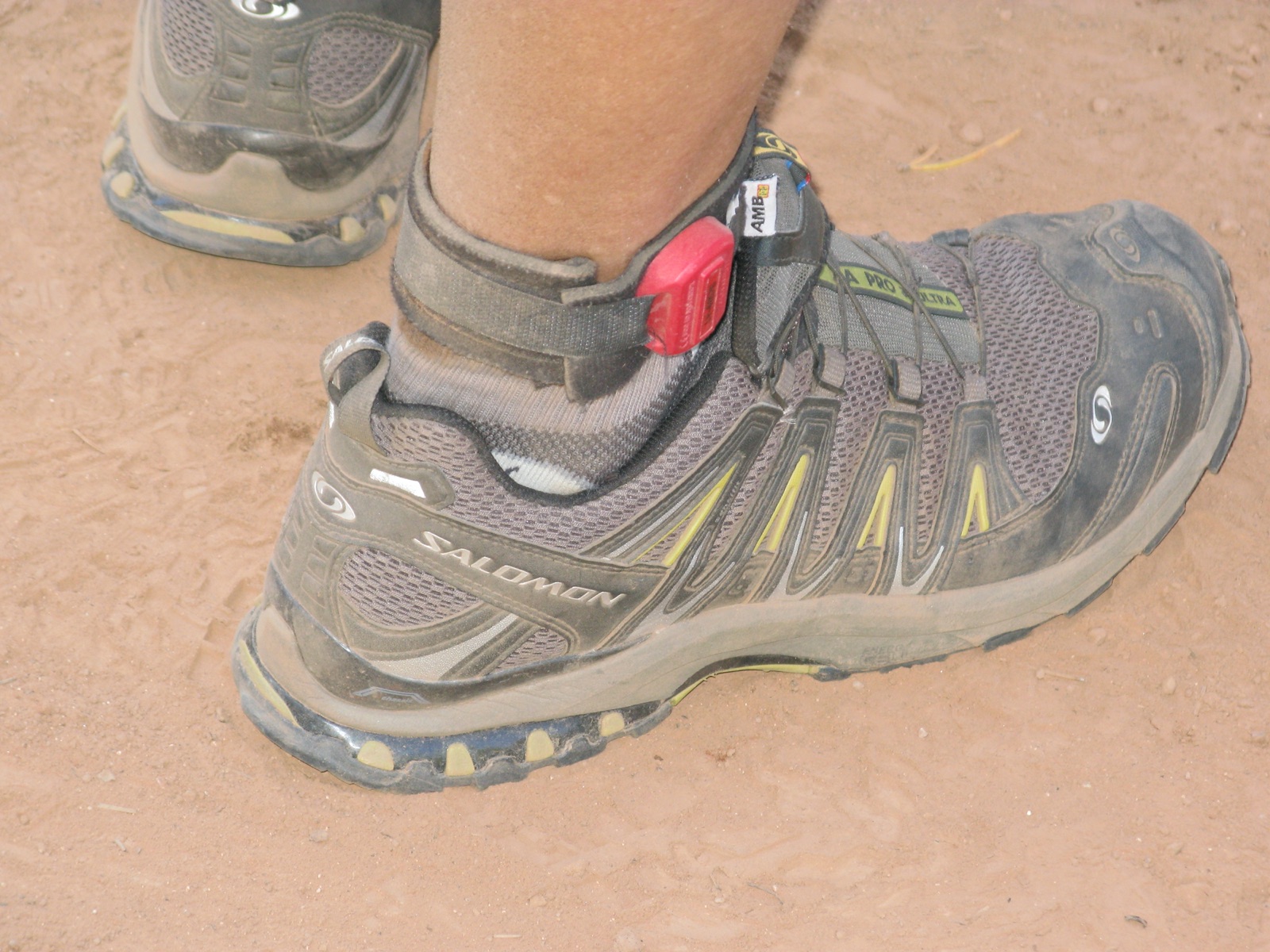
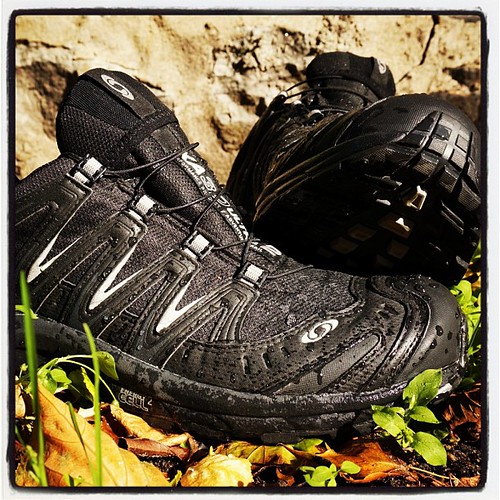
And if your running is going to happen on trails and muddy paths rather than pavement, that is a different shoe entirely. trail running shoes have the grip and toe protection road shoes lack, and road shoes get shredded off-pavement anyway. Decide where you will actually run before you buy.
What actually matters when you choose
Fit comes first, and it is not your normal size. Running swells your feet, so you want about a thumbnail of room at the toe, which usually means going up a half size. Try shoes on in the afternoon when your feet are already a little swollen, and bring the running socks you will actually wear.
Cushioning is a preference, not a ranking. Some runners love a soft, marshmallow ride; others feel unstable on it and want something firmer. There is no correct answer, only the one your legs are happy on, so ignore anyone who tells you maximal cushioning is objectively best. A pair of decent moisture-wicking socks does more for comfort on day one than an extra centimetre of foam.
Then there is the neutral-versus-stability question. Most people do fine in neutral running shoes. If you overpronate, meaning your ankle rolls inward a lot, stability running shoes can help, but do not self-diagnose your way into a corrective shoe you do not need. No pain means neutral is the safe default. If you do have pain, see a physio before you see a shoe wall.
Heel-to-toe drop matters less than the internet claims for a beginner. A moderate drop is fine. Switching to a zero-drop shoe overnight is how people give themselves calf injuries, so leave the barefoot running shoes for later, if ever.
How I would actually shop it
Buy last year’s model. Brands refresh colours and names every year while changing very little underneath, so the previous version of a popular road running shoes often sells for half price the moment a new one lands. That is the single best money trick in running.
Get one good pair, not three mediocre ones, and add a cheap set of gel insoles only if the stock insole feels thin. Everything else, the running shorts and the running watch, can wait until you know you will stick with it. A phone and a free app track distance just fine for the first few months.

Common mistakes and what to skip
The biggest mistake is wearing them until they fall apart. Running shoe cushioning is dead long before the upper looks worn, usually somewhere around 500 to 800 kilometres, and running on flattened foam is how a lot of beginners pick up shin and knee pain. Track your rough mileage and replace on feel, not on looks.
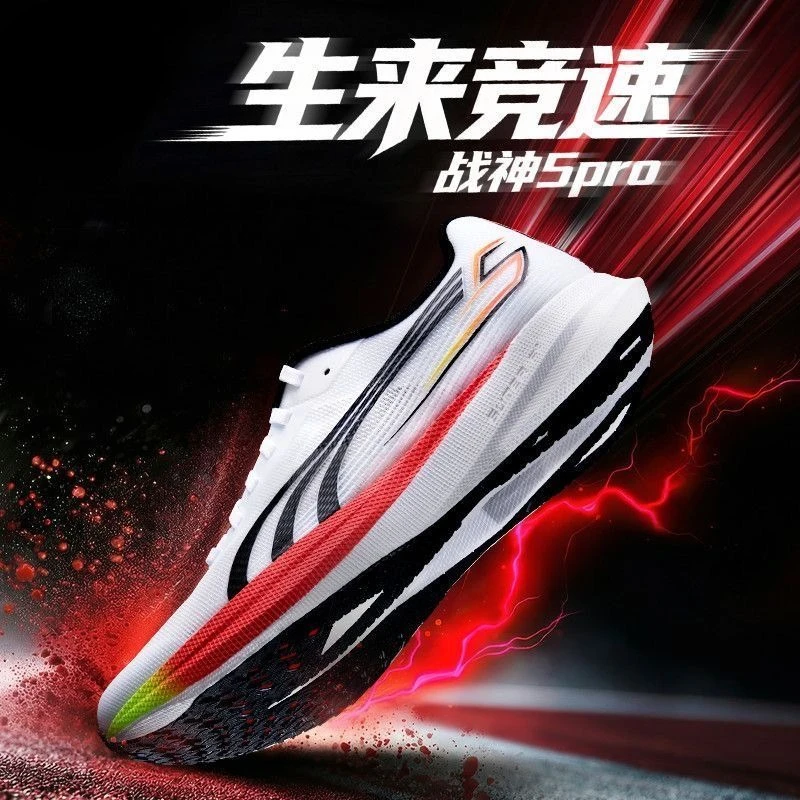
Skip the carbon-plate race shoes, because they are built for fast, short efforts, wear out quickly, and do a beginner no favours. Skip buying online in your street size without ever trying the fit. And do not skip recovery: a cheap foam roller and honest rest days protect your new shoes and your legs far more than any gadget. If you are training through a brutal summer, the heat kit in what I would buy before a hot summer applies to runners too.
None of this is complicated. Find a comfortable neutral shoe that fits with your running socks, buy last season to save money, and replace it before the cushioning dies. Do that and a good pair of cushioned running shoes basically disappears under you, which is exactly what a running shoe is supposed to do.
Ready to shop? Compare trail running shoes across stores → 📚 Or browse fitness programs & plans in Digital Goods →