Hydroponic vs. Soil Seed Starting: Which Wins for Beginners?
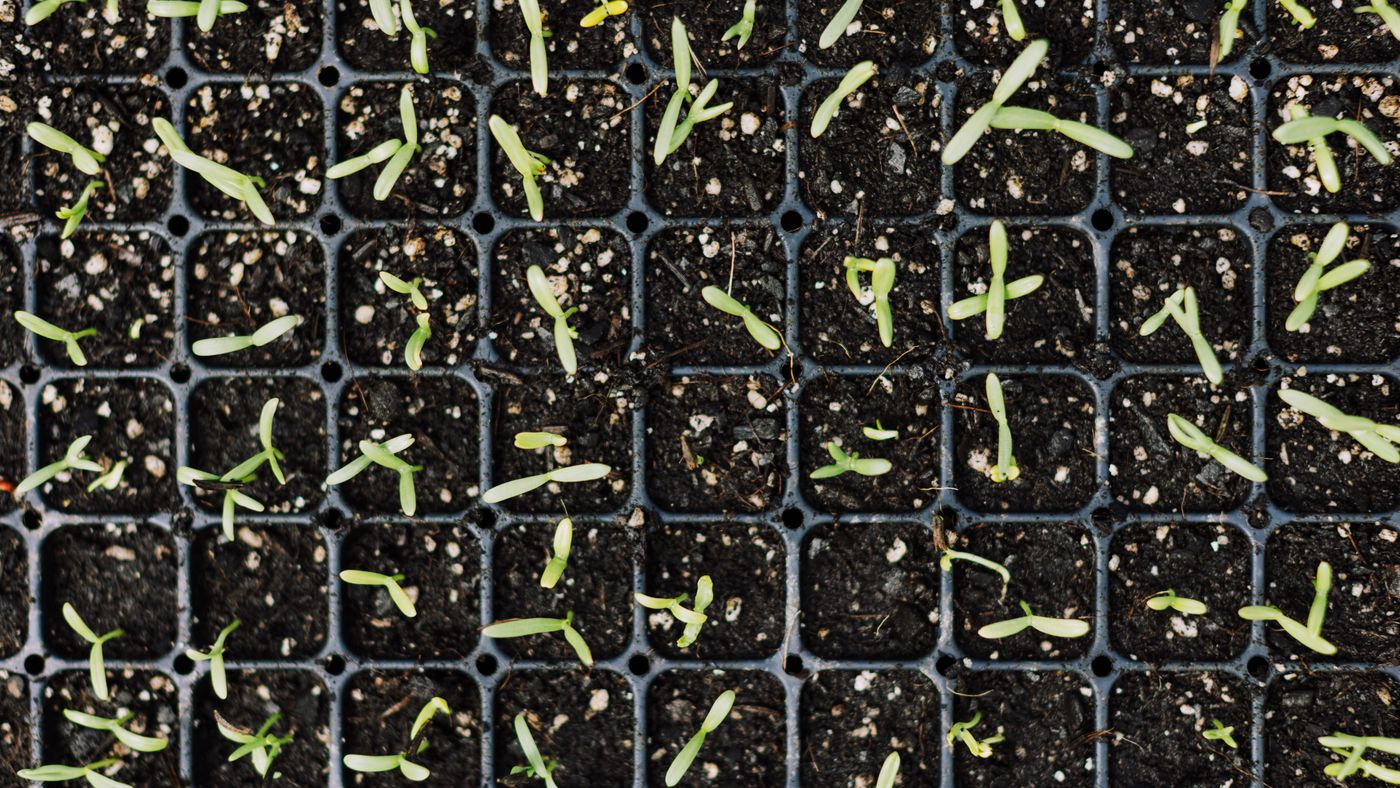
I ran a $130 AeroGarden Harvest next to a $15 tray of soil-started seedlings for a full season. The hydroponic system germinated faster. The soil seedlings grew into stronger transplants. Here's why the obvious winner is not the obvious winner.
What the hydroponic system did better
Germination time. The AeroGarden's nutrient-water bath plus consistent 24°C root zone got my pepper seeds sprouting in 5 days versus 9-12 days in soil at room temperature. For impatient gardeners or seeds you absolutely need to time tightly, that's a real advantage.
Visible early growth was also faster. Hydroponic seedlings had bigger first true leaves at the 3-week mark — about 20% larger by my rough leaf-count. The roots are sitting in continuously aerated nutrient solution, which is roughly the perfect condition for early growth.
And the kit makes failure harder. No overwatering (the system handles it). No drainage issues. No soil pests. If you've killed seedlings before because of root rot from inconsistent watering, the hydroponic approach removes that failure mode.
Where soil quietly won
Transplant survival. Hydroponic seedlings have minimal root mass and roots adapted to a water environment. When I moved them to garden soil, they lost 3-5 days of growth recovering. Soil-started seedlings hit the ground running because their roots already know how to find water in particles.
Hardiness. The soil tomatoes were stockier, with thicker stems, by week 6. Hydroponic plants put energy into leaves first because their roots have unlimited nutrients; soil plants put energy into stems and roots because they have to work for water. The soil plants survived a freak May cold snap that knocked back the hydroponic transplants.

And cost. A 72-cell seed starting tray ($8), a bag of seed starting mix ($12), and a humidity dome ($10) covers 72 plants for $30. The AeroGarden Harvest covers 6 plants for $130 and uses proprietary $20-per-month grow pod refills.
Who should buy which
Hydroponic kits are for two specific groups: people growing leafy greens or herbs to harvest IN the kit (no transplant needed), and people who want a fail-proof indoor demo for kids or apartment-dwellers without garden access. For these uses, the AeroGarden or a Click and Grow Smart Garden at $200 is genuinely worth it.
Soil starting is for anyone planning to transplant outdoors. Tomatoes, peppers, squash, anything destined for a garden bed — start them in soil. The transplant penalty for hydroponic-grown starts is real and worth avoiding.
What to actually buy for soil starting
A 72-cell tray with bottom-watering reservoir, peat-based seed starting mix (NOT regular potting soil — too dense), a humidity dome until germination, and a heat mat under the tray for 4-day vs 10-day germination. Add a full-spectrum LED grow light 18 inches above the canopy if you don't have south-facing windows. Total kit cost: $60-80.
Compare to a 6-plant hydroponic kit at $130 plus annual pod costs of $80-120. The math is not subtle.

The mistakes I made trying both
For hydroponic: not topping up the water frequently enough. Roots above the waterline dry and the plant stalls. Check the reservoir twice a week.
For soil: starting too early. A tomato seedling planted indoors in February that doesn't go outside until late May becomes a leggy, rootbound mess in its cell. Time your indoor start to 6-8 weeks before your last frost date. No earlier.
For both: skipping the labeling. Plant labels cost three dollars for fifty. You will not remember which is the Cherokee Purple and which is the San Marzano in three weeks. Label everything.
The verdict
If your goal is "indoor herbs all year": buy the hydroponic kit and skip soil. If your goal is "transplant strong seedlings to a garden in May": soil wins. Don't let the marketing pictures of glowing AeroGarden pods convince you otherwise. The seedlings that go in the ground matter more than the seedlings on your counter.
Ready to shop? Compare Home & Garden across stores → 📚 Or browse home & garden guides in Digital Goods →