Drip irrigation for a small backyard: the setup that actually works under 200 dollars
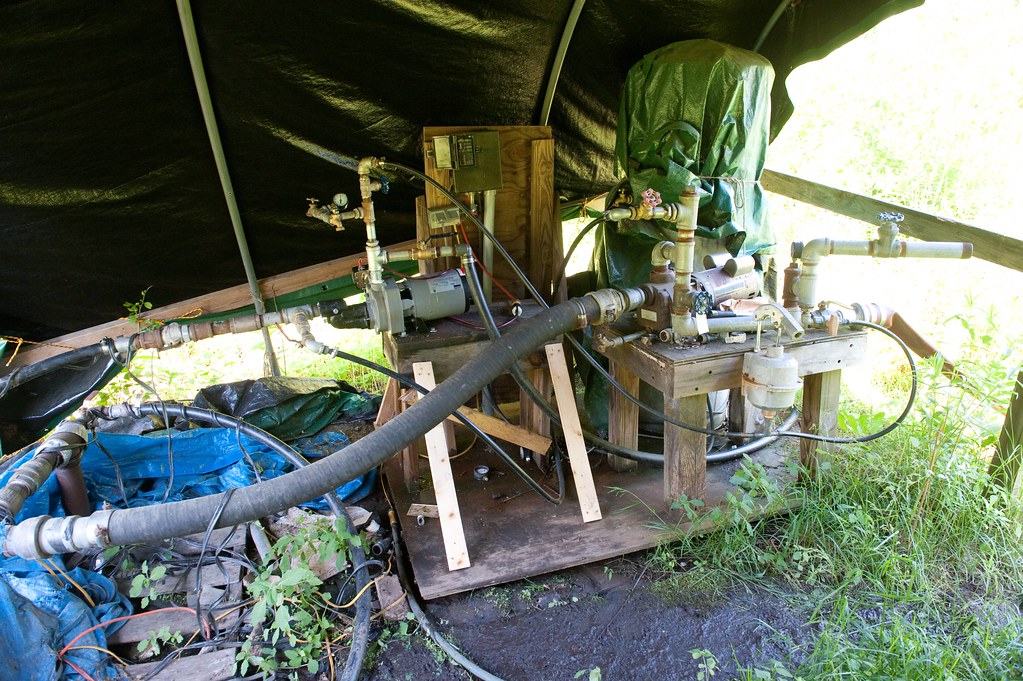
I watered my backyard by hand for four summers — hose, two hours every other day, half the plants still dying on travel weeks. The $180 drip irrigation system I installed last May was the single best gardening decision I have made. Here is the setup that actually works and the parts that are not worth it.
The marketing for drip irrigation kit gear makes it sound complicated. It is not. Two manifolds, a 50-foot run of 1/2-inch tubing, a handful of T-connectors and emitters, a $25 digital hose timer, and an afternoon with scissors. Total parts cost stayed under $200 for a yard with 22 plants across 3 beds and 6 containers. Five months later, the only plant I have lost is the basil that drowned itself because I had the timer set wrong for the first week.
Who actually needs drip vs just a hose
If you have a single bed of 6 plants on a balcony, skip drip. A watering can and a phone reminder beats the install effort. Same if you garden in containers exclusively and you are home consistently — a self-watering container for each pot handles weekends without you.
The threshold for drip is one of two: 15+ plants in beds (water-by-hand becomes a 30-minute chore), or any travel patterns that leave the yard alone for 4+ days at a time in summer. Hit either and the math shifts hard. The kit pays for itself in two months in either time saved or plants not killed. A soil moisture meter is an optional add-on that confirms how little water plants actually need once the system is running.
What actually matters in the components
Four things separate a drip system that runs three seasons without complaint from one that clogs every August. First, the tubing. Go with 1/2-inch polyethylene tubing for the main run, not the cheap 1/4-inch soaker tubing that kinks. The 1/2-inch resists UV degradation longer and connects to every standard fitting.
Second, the emitters. Use pressure-compensating drippers (the ones with PC stamped on them) rated at 1 or 2 gallons per hour. They cost three times more than the basic emitters and they actually deliver consistent flow whether the plant is six feet from the manifold or sixty.
Third, the timer. The hose-end timer with battery life rated for a full season — I use the Orbit 21004 because it cost $32 and has been fine. The smart Wi-Fi ones add features I do not need (remote control of a hose? for what?). The mechanical wind-up ones are unreliable past month three.

Fourth, the backflow preventer. Building codes in most cities require one, and it stops drip-system gunk from siphoning back into your house water supply. The $8 plastic one screws on between the hose bib and the timer and you forget about it forever.
The kit I would actually buy first
For a 22-plant yard like mine, the parts list: 50 feet of 1/2-inch polyethylene tubing ($14), a starter pack of pressure-compensating 1-gph drippers ($18 for 25), a drip irrigation fittings kit with T-connectors and elbows ($22), the Orbit timer ($32), the backflow preventer ($8), a water pressure regulator (mandatory — standard hose pressure will blow emitters off if you skip this; $14), and a hole punch tool that costs $6 and is the difference between a 90-minute install and a frustrating Saturday. Add a drip irrigation filter for $12 if your water source is anything other than a clean spigot.
If you live where it freezes in winter (most of the country), buy 12 feet of extra tubing to make replacement lengths easier next spring. Tubing degrades at junctions where ice forms in cracks, and the spare gets you through year two without an Amazon order in May. A pack of plant labels helps if you tag which run goes to which plant when the foliage gets dense in July.
If your yard is bigger than mine — say 40+ plants across 5+ beds — consider the Rachio smart sprinkler controller tier of investment. It is more than my whole drip kit costs but it pays back fast at that scale.
What to skip and why
Soaker hose. They look cheaper and easier but they leak unpredictably, last 18 months in the sun, and clog with mineral deposits. A $40 soaker hose system replaces itself every two years; a $140 drip system lasts six. The math is not subtle.
The fancy in-ground sprinkler heads. The pop-up in-ground sprinkler system is the wrong tool for a vegetable garden. Sprinklers waste water on leaves (where it evaporates) instead of soil (where roots are). Use them on lawns. Use drip on the beds.
The smart Wi-Fi-everything system. Yes the app is fun for 10 days. Then you forget it exists. The reliability is worse than a $32 dumb timer and the failure modes are weirder. If you want smart, get the controller-tier upgrade above, not a $180 Wi-Fi hose timer.
The kit on Amazon labeled COMPLETE 200-Piece Drip System. They include 150 emitters you will never use and skip the basics like the pressure regulator. Check the parts list of any kit; if it does not include a pressure regulator and a backflow preventer, do not buy. The same logic that drove my cheapest greenhouse picks applies here: a 200-piece Amazon drip irrigation kit at $89 is not a deal when 40 of the pieces are landfill.
Maintenance that takes 10 minutes a year
Once a season, flush the system: disconnect the end caps on each tubing run, turn the water on full for 30 seconds, watch the gunk come out. That is it. Mineral and grit accumulate in the lines and the flush prevents the slow flow-rate decline. A garden hose nozzle helps direct the flush without spray everywhere.
Replace 2-3 emitters every spring. They cost cents each. The ones near plants you have repotted or moved benefit most. A small garden tool kit with a pruner and the original hole punch is all you need.
End of winter, disconnect the timer from the spigot and store the battery indoors. A frozen-and-cracked timer is a $32 mistake. The tubing handles freeze fine if it is drained. Walk the line in October, snip the end caps off, let it drain naturally for an hour, replace them. The outdoor spigot cover for the bib itself adds cheap insurance against freeze damage.
That is the whole system. Five months of testing on my yard says one $180 kit beats four years of hand-watering and dead plants. The work is in the afternoon you spend installing it, not the maintenance after. A solid pair of garden gloves is the only sweat the system requires.
Ready to shop? Compare Home & Garden across stores → 📚 Or browse home & garden guides in Digital Goods →