Scandi-Style Moss & Stone Garden: The 12-Week Build

A minimalist Swedish-style garden looks effortless. It isn't. Here's the 12-week build plan, the plants that work in non-Nordic climates, and what costs more than the photos suggest.
I built a Scandi-style moss-and-stone garden in my backyard over a summer. The result looks like the photos that sold me on the project. The process, however, was nothing like the photos suggest. Here's what I'd tell anyone starting.
The 12-week plan
Weeks 1-2: Site prep. Remove existing turf, level the ground, lay down landscape fabric in the areas that will be stone. Moss requires soil contact, so leave moss zones unfabriced. This is the back-breaking phase.
Weeks 3-4: Hardscape. Set the larger stones first — the focal-point boulders. Then mid-size, then decorative gravel. Spend longer than you think you need positioning each rock. A garden of this style lives or dies on the rock layout, and you can't easily move them after.
Weeks 5-8: Moss establishment. Buy or transplant moss for garden in 6" squares. Press into bare soil, keep damp daily for the first three weeks. Most moss establishes by week six if your shade and moisture are right. If your yard gets afternoon sun, you'll lose the moss; pick a shade-tolerant ground cover instead.
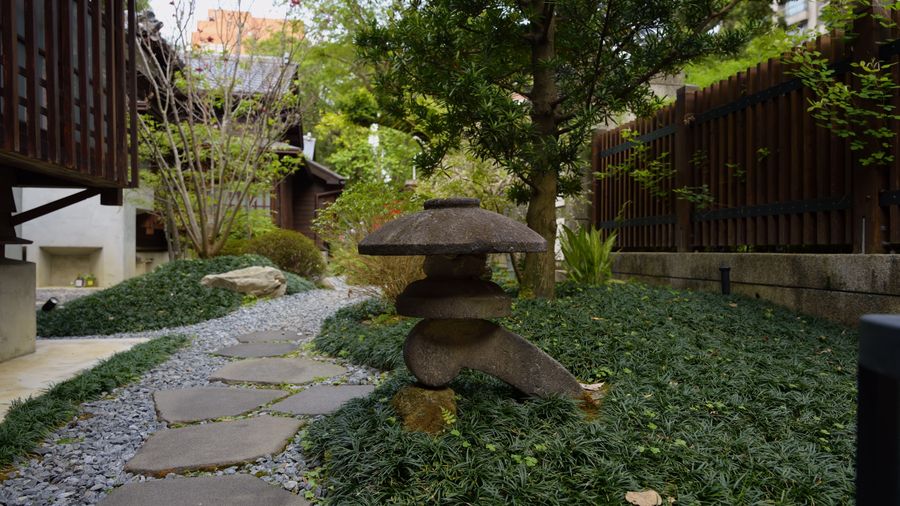
Weeks 9-12: Plants and finishing. A few ornamental grasses, dwarf conifers, ferns. Resist filling in. Negative space is the whole point of the style.
What the photos hide
Cost. Decorative river stones run $0.50-$2/sq ft installed. Larger boulders are $200-800 each before delivery. A modest 200-sq-ft garden in this style runs $1,500-$3,500 in materials, plus labor if you don't do your own.
Maintenance. Moss is high-maintenance in any climate that isn't naturally damp. Daily watering for the first season. Weeding is constant — even a small dandelion among moss is conspicuous in a minimalist garden.
Climate fit. This style is genuinely difficult outside coastal Pacific Northwest, the UK, parts of New England, or coastal Scandinavia. In hot dry zones, it's an uphill fight regardless of budget.

Plants that actually work outside Scandinavia
Mondo grass for the moss-substitute look in warmer zones. Dwarf hostas. Carex grasses. Japanese forest grass. None of this is exotic; all of it is hardy. Skip the rare imported species — they'll die and look sad doing it.
The gear that earned its keep
A wooden garden house at the back of the garden gives the style somewhere to land — a focal architectural element. A Bloomcabin-style structure works perfectly with this aesthetic. resistance bands for the lower-back work you'll be doing for two weeks straight while shaping the ground. Stanley tumbler of water on the job site every day; this is a project where hydration matters more than people expect.
The honest takeaway
This style is gorgeous when it works. It works in maybe 30% of US climates. If you live somewhere it doesn't work, consider an adapted version (mostly stone, less moss) rather than fighting your environment for three years.
Ready to shop? Compare Home & Garden across stores → 📚 Or browse home & garden guides in Digital Goods →