


Preventing Dental Disease in Dogs
Dental disease is the most common health problem in dogs, affecting the majority by the age of three — and it's far more than bad breath. Infected gums let bacteria into the bloodstream, stressing the heart, liver, and kidneys over time. The good news is that it's largely preventable with a few simple habits. Here's how to protect your dog's mouth and, by extension, the rest of them.
Why it matters more than you think
Plaque hardens into tartar, gums become inflamed and infected (periodontal disease), and untreated it leads to pain, tooth loss, and chronic infection that taxes major organs. Dogs hide mouth pain well, so by the time you notice trouble eating or a foul smell, the disease is usually advanced. Prevention is dramatically cheaper and kinder than treating advanced disease, which often means anesthesia and extractions.
Brushing is the gold standard
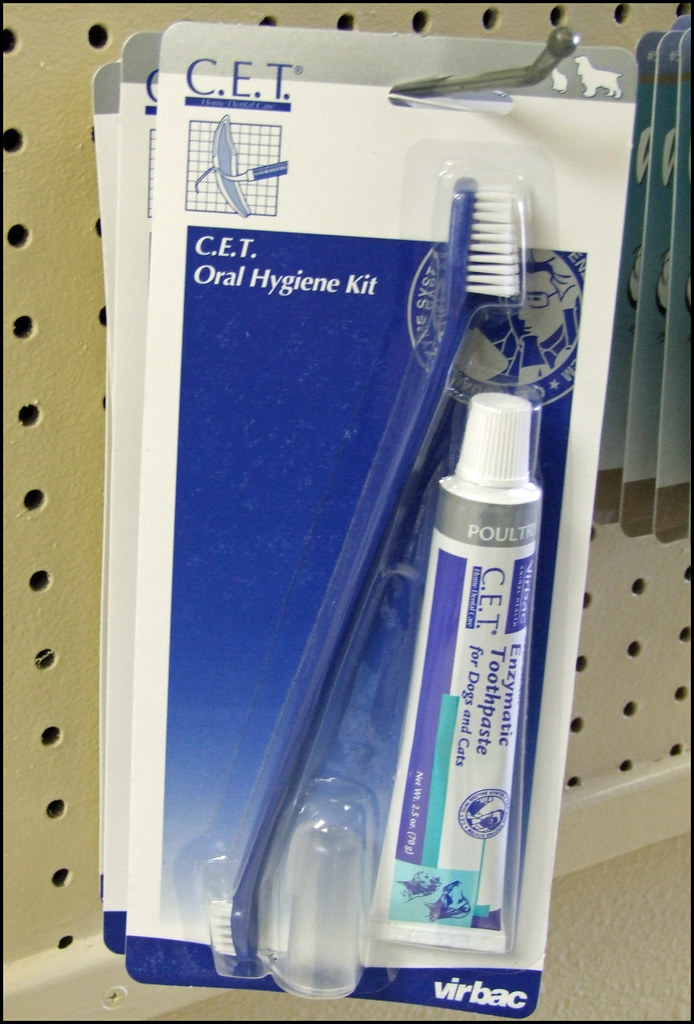
Nothing beats regular brushing. Use a dog toothbrush (or a finger brush) and dog toothpaste — never human toothpaste, which contains ingredients toxic to dogs. Start slow, let your dog taste the (meat-flavored) paste, and build up to brushing the outer surfaces a few times a week, ideally daily. A couple of minutes a few times a week prevents the buildup that causes most problems.
Chews, diet, and water additives help
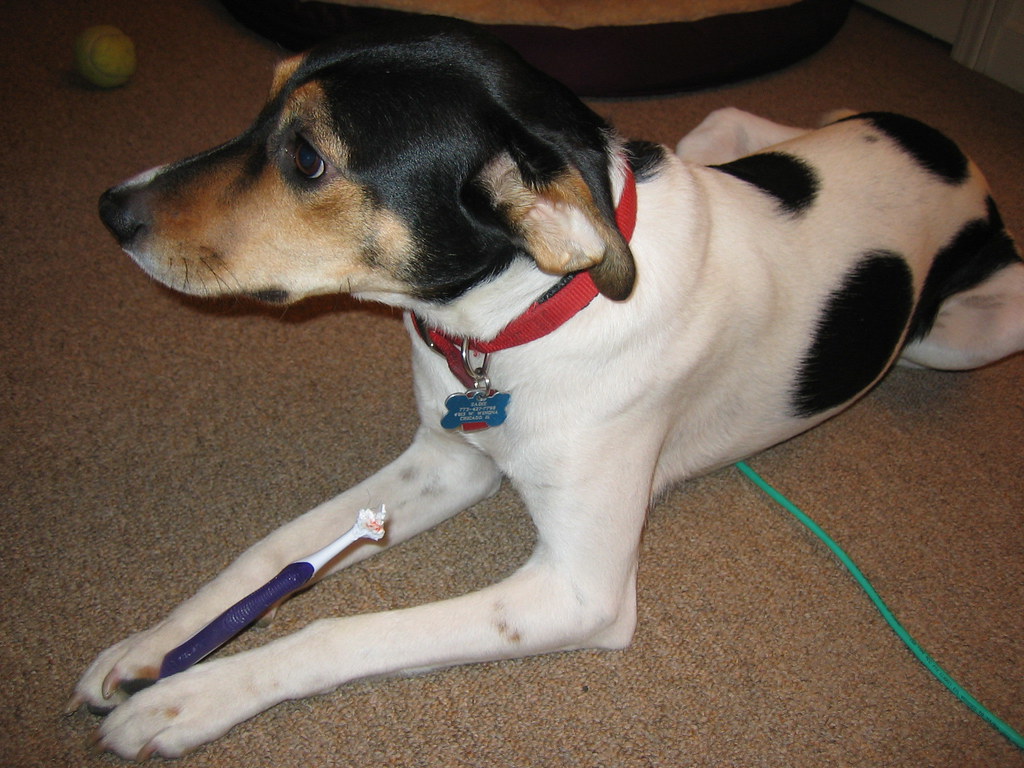
Between brushings, vet-approved dental dog chews mechanically scrape plaque as the dog chews, and some dog dental water additive products reduce bacteria. Specially formulated dental diets exist too. These aren't a substitute for brushing, but they're a real help — especially for dogs who tolerate chewing better than a toothbrush. Choose products with veterinary backing rather than marketing claims.
Don't skip professional cleanings
Even with great home care, dogs benefit from periodic professional dental cleanings under anesthesia, which remove tartar below the gumline that brushing can't reach, and let the vet catch problems early. Ask your vet how often your particular dog needs one. Home care plus professional cleanings is the combination that actually keeps a dog's mouth healthy for life.
What I'd skip
Skip human toothpaste — it can poison dogs; use dog-specific paste. Skip relying on chews alone; they help but don't replace brushing. Skip ignoring bad breath as "just dog breath" — persistent foul odor is a sign of disease, not normal. And skip waiting until there's visible trouble; by then it's painful and expensive.

The honest answer
Preventing dental disease comes down to regular brushing with dog-safe toothpaste, helpful extras like vet-approved dental chews, and periodic professional cleanings. A few minutes several times a week protects not just your dog's teeth but their heart, liver, and kidneys — and saves you from painful, costly treatment down the line.
Ready to shop? Compare dog toothbrush across stores →