72-గంటల ఎమర్జెన్సీ కిట్లు: బ్యాక్ప్యాక్లో వాస్తవంగా సరిపోయేవి
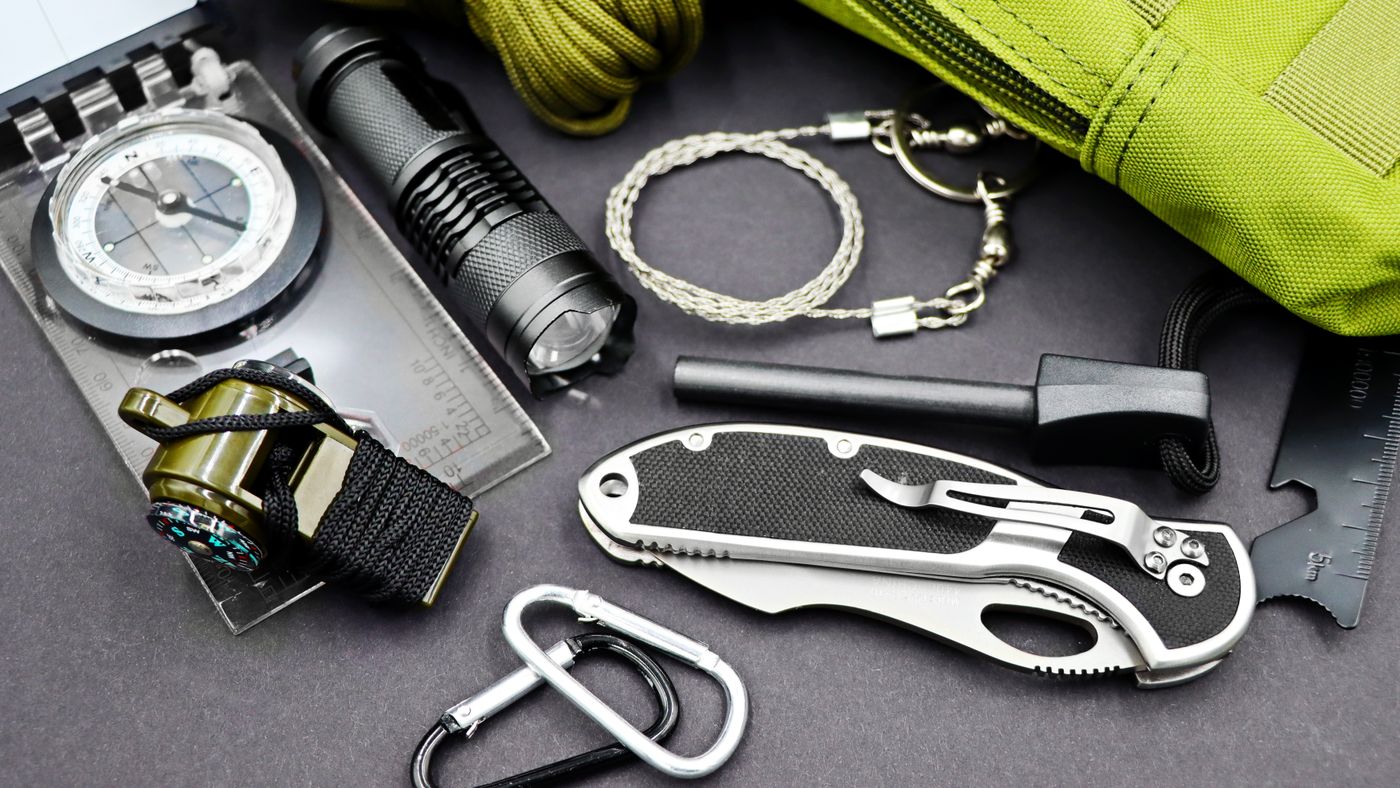
నాలుగు ముందుగా నిర్మించిన కిట్లు మరియు ఒక ఇంటిలో నిర్మించిన ఒకటి, బరువు మరియు ఆడిట్ చేయబడింది. చాలా వరకు అదే ఊహాజనిత మార్గాల్లో విఫలమవుతాయి. గృహ-నిర్మిత సంస్కరణ తక్కువ ఖర్చుతో ఉంటుంది, తక్కువ బరువు ఉంటుంది మరియు వాస్తవానికి మిమ్మల్ని సజీవంగా ఉంచుతుంది.
72-గంటల కిట్లు ప్రిపేర్ పరిశ్రమ యొక్క గేట్వే ఉత్పత్తి. మీరు $200 ఖర్చు చేస్తే, ఒక హరికేన్ అవుతుంది అని మార్కెటింగ్ సూచిస్తుంది నిర్వహించదగినది వారాంతం. ఐదు కిట్లను ఆడిట్ చేసిన తర్వాత వాస్తవం ఏమిటంటే, చాలా ముందుగా నిర్మించినవి 30% ఉపయోగకరమైన గేర్ మరియు 70% థియేటర్.
ప్రతి కిట్ సరైనది
అత్యవసర విజిల్. తేలికైన స్థలం దుప్పటి. ఒక చిన్న ఫ్లాష్లైట్ (LED, AAA). నీటి శుద్దీకరణ ట్యాబ్లు. ఇవి ప్రతి కిట్లో ఉన్నాయి మరియు అన్నీ ప్రచారం చేసినట్లుగా పనిచేశాయి. మొత్తం బరువు: సుమారు 4 oz. మీరు వాటిని విడిగా కొనుగోలు చేస్తే మొత్తం ఖర్చు: సుమారు $18.
ముందుగా నిర్మించిన చోట శిథిలావస్థకు చేరుకుంది
బోర్డు అంతటా ఆహారం ఒక విపత్తు. ఇటుకలా కనిపించే 2,400 కేలరీల రేషన్ బార్లు కంప్రెస్డ్ సాడస్ట్ ఆహారం కాదు. 36 గంటల ఒత్తిడి తర్వాత, మీరు వాటిని తినలేరు. కొన్ని మూసివున్న క్లిఫ్ బార్లు, ఎండిన పండ్లు మరియు సాల్టెడ్ బాదంపప్పులతో కూడిన కిట్లలో నిజమైన ఆహారం ఉంది. ఇటుక బార్ కిట్లు చేయలేదు.

నీటి సామర్థ్యం ఉండేది ప్రదర్శనాత్మకమైనది. చాలా వస్తు సామగ్రిలో "అత్యవసర నీటి" యొక్క నాలుగు 4-oz పర్సులు ఉంటాయి. అది మొత్తం 16 oz. ఏదైనా మనుగడ దృష్టాంతంలో మీకు కనీసం ఒక వ్యక్తికి రోజుకు 96 oz అవసరం. కిట్లలోని నీరు తప్పనిసరిగా అలంకారమైనది; నీటి కోసం మీకు నిజమైన ప్రణాళిక అవసరం (ఫిల్టర్ మరియు సోర్స్ ఐడెంటిఫికేషన్) ఏ కిట్ను ముందుగా ప్యాకేజ్ చేయదు.
ది సంచులు చాలా చిన్నవి లేదా చాలా పెద్దవి. గేర్కు సరిపోయే బ్యాక్ప్యాక్లు 30L (72 గంటలకు సరైన పరిమాణం). నేను పరీక్షించిన రెండు కిట్లు 18L బ్యాగ్లలో వచ్చాయి కాబట్టి మీరు వ్యక్తిగతంగా ఏమీ జోడించలేరు. 30 నిమిషాల నడక తర్వాత 25 పౌండ్లు బరువుతో 50L బ్యాగ్లో ఒకటి వచ్చింది.
ఇంటిలో నిర్మించిన వెర్షన్
A 30L వీపున తగిలించుకొనే సామాను సంచి (~$50), నిజమైన వాటర్ ఫిల్టర్ ($30 — సాయర్ స్క్వీజ్ లేదా లైఫ్స్ట్రా), ఒక చిన్న ప్రథమ చికిత్స వస్తు సామగ్రి ($25), a హెడ్ల్యాంప్ ($20), మీరు తినే 3 రోజుల అసలు ఆహారం ($30), a ఏతి ఇన్సులేటెడ్ వాటర్ బాటిల్ (బడ్జెట్ వెర్షన్ కోసం $35), a బహుళ సాధనం ($25), మరియు అత్యవసర ఫోన్ నంబర్ల ప్రింట్అవుట్. మొత్తం: ~$215. మొత్తం బరువు: 8 పౌండ్లు. నేను ఆడిట్ చేసిన ప్రతి ప్రీ-బిల్ట్ కంటే క్రియాత్మకంగా మెరుగ్గా ఉంది.

ప్రతి ప్రిపేర్ సైట్ ఏమి తప్పు అవుతుంది
మందుగుండు సామాగ్రి. వ్యూహాత్మక కత్తి సేకరణ. ఫ్రీజ్-ఎండిపోయింది పర్వతం-ఆహారం యాడ్-ఆన్లు. 72 గంటల విండోలో ఇవేవీ పట్టింపు లేదు. అవి దీర్ఘకాలిక షెల్టర్-ఇన్-ప్లేస్ దృశ్యాలకు సంబంధించినవి, ఇవి వేరే సమస్య.
చాలా ముఖ్యమైన విషయం
సాధన. మీరు ఎన్నడూ తెరవని కిట్ సగం కిట్. సంవత్సరానికి ఒకసారి, అన్నింటినీ బయటకు తీయండి, గడువు ముగిసిన వాటిని రిఫ్రెష్ చేయండి మరియు బ్యాగ్ని మోసుకుని ఒక మైలు దూరం నడవండి. మీరు మైలు నడవలేకపోతే, బ్యాగ్ తప్పు. ఘనాల ప్యాకింగ్ ఆడిట్లను 45కి బదులుగా 5 నిమిషాలు చేయండి; నిరోధక బ్యాండ్లు మరియు సంవత్సరంలో ప్రాథమిక చలనశీలత పని 30 lb బ్యాగ్ను 70 lb అనుభూతికి బదులుగా 30 lb బ్యాగ్గా చేస్తుంది.
షాపింగ్ చేయడానికి సిద్ధంగా ఉన్నారా? సరిపోల్చండి సర్వైవల్ & అవుట్డోర్ దుకాణాలలో →