
Survival kit essentials for new homeowners — what to actually have on hand
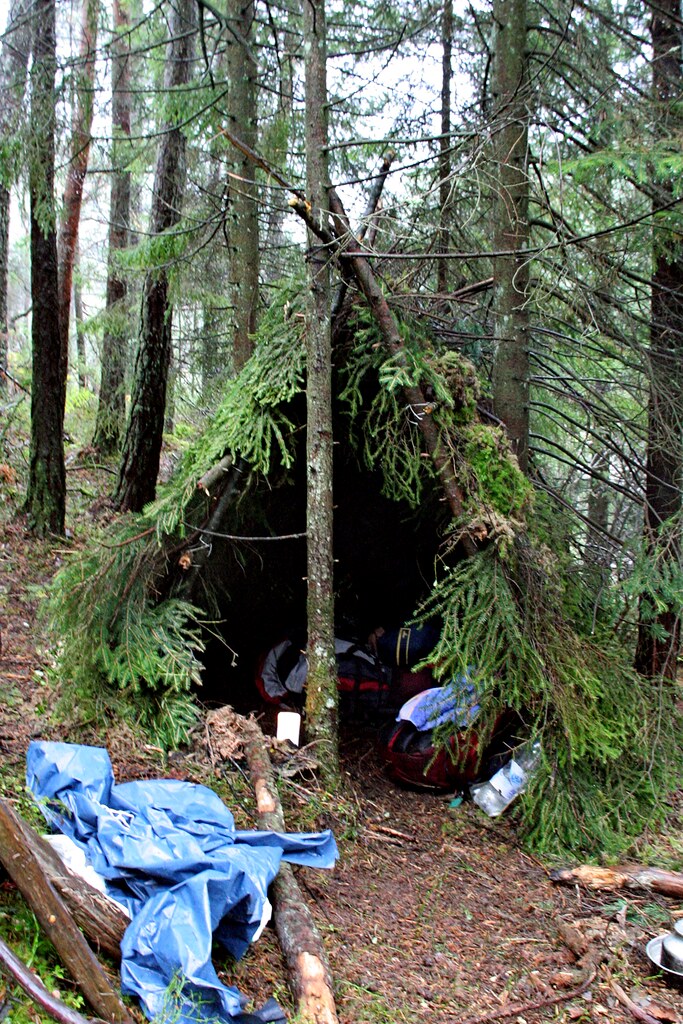
Survival kits range from "weekend power outage" to "prepper bunker." Most homeowners need the first level, occasionally the second. Here's the honest gear list for normal life.
Power: a real solution
The single most useful thing during a long outage is power. A Jackery 1000 at $800-1,000 runs your fridge for 12 hours, charges phones for a week, and lights a room. Smaller Jackery 240 at $200 handles phones plus a fan.
Light: not just the fancy lantern
Three light sources at minimum: Petzl Actik Core headlamps (hands-free), a Goal Zero Lighthouse 600 lantern for rooms, and a Streamlight ProTac 1L flashlight for outside. Don't trust your phone — that's your communication device, not your light source.
Heat: the carbon monoxide question
Whatever you do, NEVER use a gas stove or grill indoors for heat. People die every winter doing this. Get a Mr. Heater Big Buddy rated for indoor use and a battery-powered CO detector running on its own batteries.
Water: the unappreciated thing
If your power's out, your well pump is too. Store 5-gallon water containers (3 per person minimum) in the basement. Refresh annually.
Food: the freezer trick
Frozen food keeps your freezer cold for 24-48 hours during outage. Keep it FULL. Empty freezer warms faster. Have Datrex 3600 emergency food bars for 72 hours minimum.
Communication
A Midland ER310 hand-crank radio for weather updates. A portable phone charger you cycle through to keep charged.
The basement problem
If you're in a basement, get a battery sump pump backup. Saves your basement when grid power fails during heavy rain — which is exactly when you need it most.
Honest pick
Jackery 240 power station ($200) + 3 headlamps + 30 gallons of water + a Mr. Heater Big Buddy = $400 total. Handles 90% of real-world emergencies. The rest is optional comfort.