
Vancouver in 2026: what to pack, what to skip, and the affordability question

Vancouver is beautiful, expensive, and surrounded by mountains, ocean, and rain. The third-largest metro in Canada, with a population pushing 3 million, and a housing market that makes Toronto look reasonable. If you're visiting, here's what to actually pack. If you're considering a move, here's what nobody tells you.
The rain thing
Vancouver gets about 165 days of measurable rain per year. Most of it is between October and April. It's not heavy — it's persistent. Coming from Toronto, the volume is similar; the duration is what catches people out.
A good rain jacket — Arc'teryx Beta or Patagonia Torrentshell — is the single most useful piece of clothing in Vancouver. Don't buy a cheap one. The cheap ones wet out by day 3.
A pair of Blundstone 550 boots or any decent waterproof pull-on. Locals wear them daily for 8 months a year.
A small windproof travel umbrella for the wettest days. The cheap ones flip inside out in Vancouver's wind off the water.
What to actually do
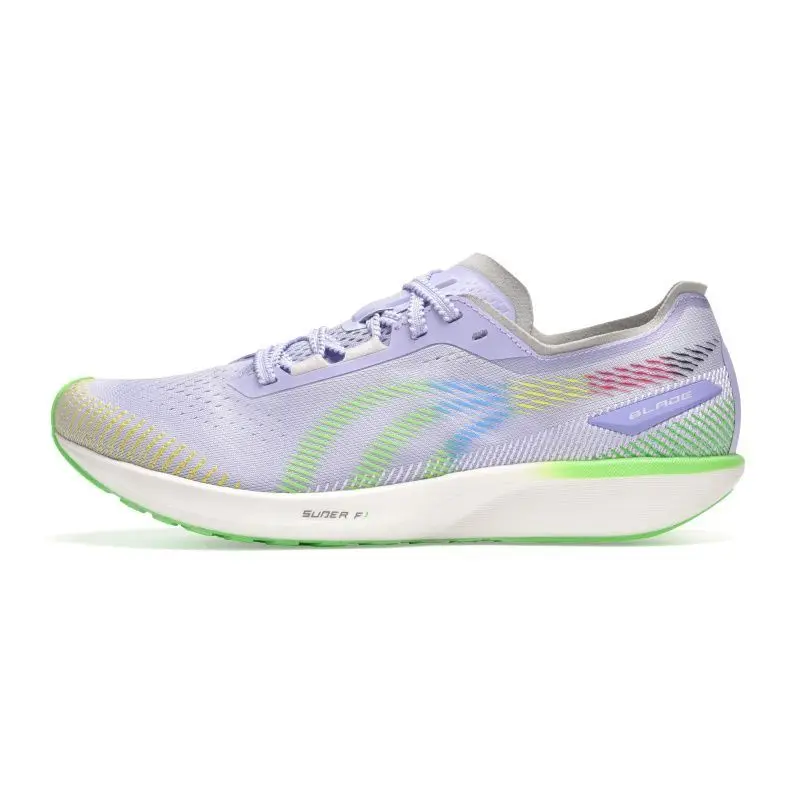
Stanley Park. Get a pair of decent running shoes and walk or jog the 10km Seawall. It's the best free thing in the city.
Granville Island for the public market and craft beer. Skip the touristy candy shops and head straight to the produce vendors and the brewers.

Capilano Suspension Bridge if you've never crossed a suspension bridge. Lynn Canyon for the same experience without the $50 entry fee.
For day trips: Squamish (the Sea-to-Sky highway is the drive), Whistler (90 minutes if traffic cooperates, longer in winter), and the ferry to Vancouver Island for a proper getaway. Pack a 20-liter day pack with water, snacks, and layers. The weather changes between sea level and mountain in 30 minutes.
Neighborhoods worth knowing
Kitsilano for the beach and brunch. Mount Pleasant for the food and breweries. Commercial Drive for the indie shops and independent coffee. Yaletown if you want the high-end and shiny version of the city. Gastown for the cobbles, tourists, and a couple of genuinely good restaurants.
Stay clear of the Downtown Eastside for first-time visitors — it's been struggling for years and the visible street-level issues can be jarring. The east-west streets a few blocks south are fine.
The housing question, briefly
The median home price is over $1.2M and the city says it needs 50,000 new homes in the next decade. Both numbers are real and getting worse. Rent for a one-bedroom in a decent neighborhood is $2,400-3,200 a month.
If you're considering a move, the math has to work before the vibes. Vancouver salaries don't match Vancouver costs for most professions. The exception is tech — there's a real industry and pay reflects it. For most other fields, Toronto or Calgary will leave you with more money at month-end.

Food and drink
The Asian food scene in Vancouver and Richmond is among the best on the continent. The dim sum in Richmond rivals Hong Kong. Sushi in Kitsilano is consistently excellent.
For coffee, 49th Parallel and Revolver are the local heroes. Skip Tim Hortons unless you're nostalgic — Vancouver has actually good cafes on most blocks.
If you're entertaining at home with BC-specific things, a cedar plank for grilling salmon is the BC stereotype that's actually worth it. About $15 and lasts several uses.
What to skip
The Vancouver Aquarium ticket if you've seen any other major aquarium. Capilano Suspension Bridge if Lynn Canyon is on your route. Granville Island on a busy summer Saturday afternoon. The Gastown steam clock — it's a tourist trap that's actually been broken multiple times.
Vancouver is genuinely one of the most livable cities in the world if you can afford it. The challenge is the second half of that sentence.
Ready to shop? Compare Trending Now across stores →