
Sports Car Accessories: What's Actually Worth Buying

Walk into any auto accessories store or browse Amazon with "sports car" in the search and you'll find several hundred products all claiming to enhance your driving experience, protect your investment, or make your car look better. Most of them will do none of those things reliably. A handful are genuinely useful. I've spent enough money finding out which is which that I can give you the short version.
Safety and Utility Accessories That Actually Earn Their Place
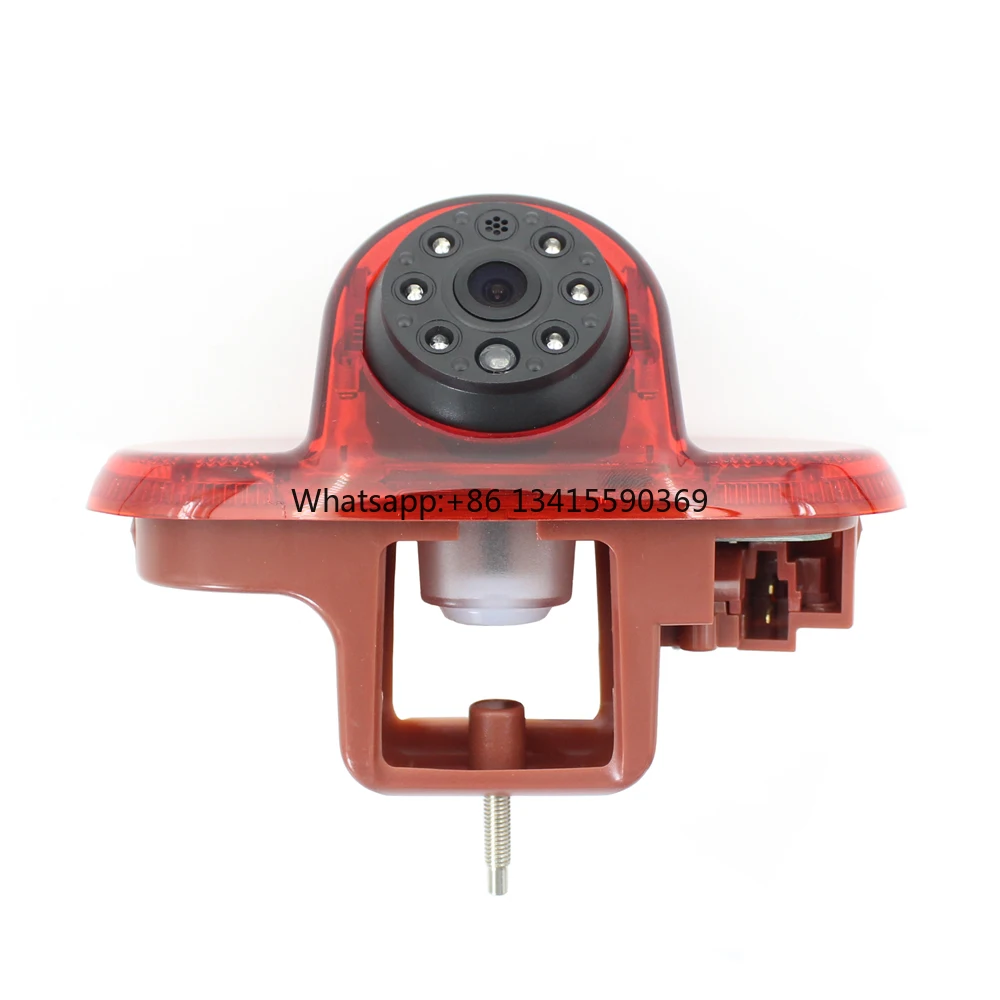
A dash cam is the one accessory I'd argue is close to mandatory for any car, sports car or otherwise. Insurance disputes without video evidence are increasingly frustrating as dashcam footage has become expected by insurers and courts. Front-facing is the minimum; front and rear provides better coverage. A quality unit with loop recording, good night vision, and a parking mode runs $80-$150. It has prevented more than one friend of mine from paying for an accident that wasn't their fault.
A quality jump starter — the modern lithium-ion compact style, not the old lead-acid brick — is a second genuinely useful item. Sports cars have relatively small batteries for their electrical loads, and a battery that's been through several cold winters can leave you stranded in a parking lot. A compact jump starter fits in the small trunk, works without another car present, and can also charge your phone. Around $60-$80 for a reliable one.
For road trips, a portable tire inflator is more useful than most people expect. Slow leaks from road debris are far more common than blowouts, and being able to inflate a tire enough to reach a service station eliminates what would otherwise be an inconvenient roadside event. Compact 12V units have improved substantially and are small enough to store under a sports car's cargo floor.

Protection Accessories With Real Value
A fitted car cover for garage storage is worth having if the car isn't daily driven. Dust accumulation on painted surfaces causes micro-scratches over time, particularly when the car is wiped down casually rather than properly washed. A quality indoor cover prevents this, keeps the interior from UV fading through windows, and keeps the car ready to show rather than requiring a full clean every time you take it out.
Paint protection film on high-impact areas — hood leading edge, front bumper, mirror caps — is an investment worth the cost if you drive the car on the highway regularly. Stone chips on a sports car's low-slung front end are essentially unavoidable on typical roads. A professionally installed clear film in these areas prevents chips that would otherwise require spot repainting. It's not cheap ($300-$800 for front protection), but it preserves the paint on a part of the car that's otherwise expensive to repair properly.
Navigation and Technology Worth Installing
Older sports cars that lack CarPlay or Android Auto integration can benefit from an aftermarket head unit, but only if it's installed by someone who knows what they're doing. A botched audio install can introduce electrical gremlins that are time-consuming to debug. If you're adding a car GPS navigator or entertainment update, either do it yourself from a quality manufacturer's guide for your specific car, or pay a competent shop. A quality Apple CarPlay/Android Auto head unit from Alpine or Kenwood runs $300-$500 installed and meaningfully improves navigation and phone integration for older cars.

What I'd Skip
Performance exhaust, intake, or suspension mods on a car you didn't buy specifically to modify. The aftermarket performance parts world is deep and interesting, but it requires understanding how your specific car's systems interact. Cheap exhaust mods often make the car louder without making it faster, and can trigger check engine lights on modern emissions-managed cars. Intake mods on turbocharged cars can cause issues if the new component doesn't seal correctly. If you're going to modify, research your specific platform deeply first and budget for tuning to recalibrate the engine management after hardware changes.
The bottom line: the genuine must-haves for most sports car owners are a dash cam, a compact jump starter, and a good car cover for storage. Beyond those, most accessories are situational — useful for specific use cases rather than universally valuable. Spend the savings on an extra track day or a proper professional detail, which will do more for your ownership experience than most products on the accessories shelf.
Ready to shop? Compare Auto across stores →