Acne Prevention Starts Before the Breakout: The Habits That Actually Make a Difference

The breakout you're dealing with today started three to five days ago. That's how the acne cycle works — by the time you see a pimple, the clog was already there, the bacteria were already multiplying. That's why reactive spot treatment only gets you so far. The more useful investment is in the daily habits that interrupt the cycle upstream. None of this is medical advice — but a lot of it is just common hygiene that most skincare marketing glosses over.
Cleansing: the one habit worth defending
A gentle foaming face cleanser twice a day is the single highest-leverage habit for acne-prone skin. Not because cleansing is magic, but because it removes excess oil, dead skin cells, and surface bacteria before they have a chance to combine and block pores. The catch is that over-cleansing does the opposite — it strips the skin barrier, triggering a compensatory oil surge that makes things worse. If your skin feels tight or squeaky after washing, the product is too harsh.
Soap on the face is generally a bad idea. Bar soaps are alkaline and disrupt the skin's pH. A water-soluble, fragrance-free gel cleanser is the better default for most people.
What touches your face between washes
Phone screen, pillowcase, makeup brushes, and your own hands — these are the overlooked vectors that reintroduce bacteria to recently-cleaned skin. Pillowcases in particular accumulate oil and dead cells over several days. Flipping the pillow nightly and washing the case every three to four days is less glamorous than buying a new serum, but it does more for most people.
Makeup brushes used without cleaning transfer days of accumulated product and skin debris with every stroke. A quick wash with a brush cleaner once a week is a sensible minimum for anyone prone to cheek or forehead breakouts.

Makeup removal before bed is not optional
Sleeping in foundation or concealer is one of the more reliable ways to trigger closed comedones around the cheeks and chin. A dedicated makeup remover followed by your regular cleanser gives a two-pass clean that rinse-only routines miss. Micellar water is adequate as a first step; it's not thorough enough as the only step for heavy coverage.
If you wear SPF products (and you should), these also need full removal at the end of the day. SPF actives sit in the skin's upper layers and can clog pores if not fully rinsed out. A gentle exfoliating toner a few times per week helps keep those layers clear without requiring daily scrubbing.
Products that quietly cause breakouts
Not every breakout comes from bacteria — some come from the products you're using to prevent them. Heavy oils, silicones, and certain emollients are comedogenic for some skin types. "Noncomedogenic" labeling is a reasonable filter when shopping, but it's not a guarantee — formulas affect people differently.
A useful protocol when introducing any new product: use it on one area of the face only for two weeks. If a pattern of new breakouts appears in that zone, you've found your culprit. This is slower than you'd like, but it actually tells you something. Running four new products simultaneously tells you nothing.

What I'd skip
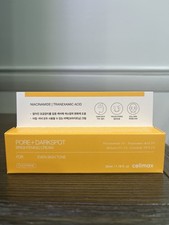
Expensive "pore-minimizing" or "deep-cleansing" tools that rely on heat or suction. Most pore vacuums are too weak to do much and the ones strong enough to be effective cause capillary damage with regular use. Pores don't permanently shrink — they appear smaller when they're not dilated by oil. A niacinamide serum does more for pore appearance than any device in that price range.
Honest bottom line: Acne prevention is genuinely more boring than the marketing suggests. Clean your face properly, change your pillowcase more often, keep your hands off your face, and don't layer ten products simultaneously. A simple consistent routine beats an elaborate reactive one almost every time.
Ready to shop? Compare Beauty across stores →