Hair Tools Actually Worth the Money (and What to Skip)
I've burned money on hair tools the way some people burn it at casinos — confidently, repeatedly, and with nothing to show for it. A $400 styler is not four times better than a $100 one, and a lot of "professional" tools are just regular tools with a salon logo. But a few genuinely changed how my hair looks and how long styling takes. Here's where the money is well spent and where you're paying for the box.
The blow dryer is where your money should go
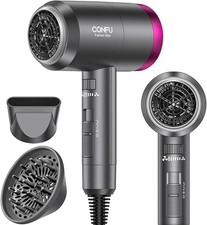
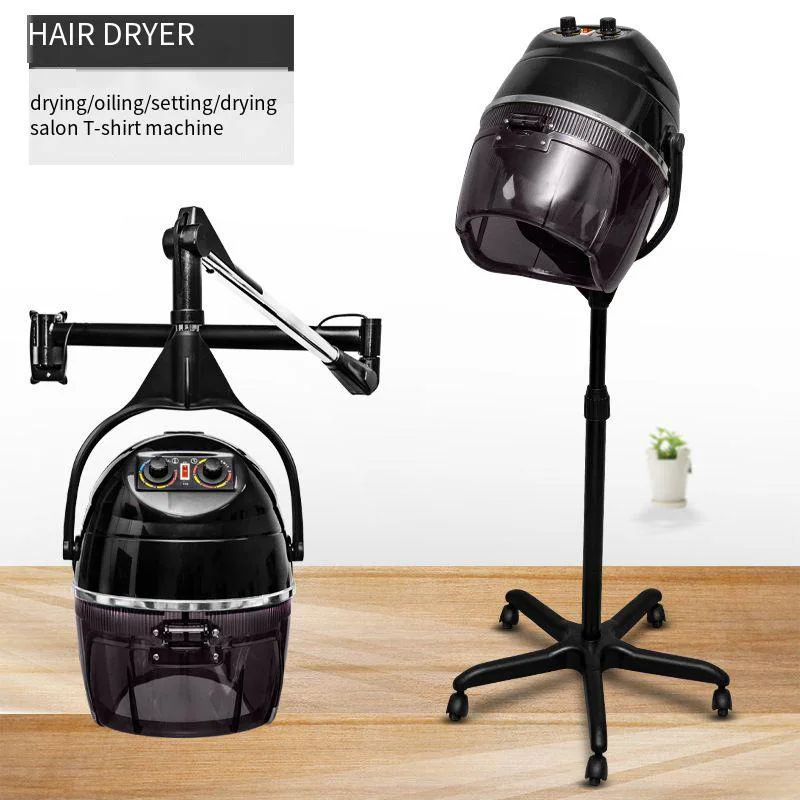
If you upgrade exactly one tool, make it the dryer. This is the one place the expensive version earns it, because you use it more than anything else and the airflow does most of the work. A good ionic hair dryer cuts drying time roughly in half, runs cooler, and leaves hair noticeably less frizzy because you're applying heat for less total time.
The magic word is airflow, not heat. Cheap dryers compensate for weak motors by blasting everything at maximum heat, which is exactly how you get crispy ends. A powerful motor dries with moving air, which is gentler. You don't necessarily need the trendiest brushless-motor model that costs as much as a phone — a solid mid-range professional blow dryer with a real motor and a concentrator nozzle gets you 90% of the result for a third of the price. The last 10% is genuinely nice but it's a luxury, not a necessity.
Flat irons: titanium vs ceramic, and why it matters
Here's where plate material actually changes your decision. A ceramic ceramic flat iron heats more gently and evenly, which makes it the right call for fine, damaged, or color-treated hair — it's forgiving. Titanium gets hotter faster and glides better through thick, coarse, or very curly hair that ceramic struggles to straighten in one pass. More passes means more damage, so matching the plate to your hair type isn't snobbery, it's harm reduction.
What you should not pay for: "infused" plates promising tourmaline, keratin, argan oil, or negative ions baked into the metal. These claims are mostly marketing. The plate is metal; it doesn't dispense skincare. Buy on plate material, even heating, and an accurate temperature dial — skip the magical-coating story entirely. And whatever you buy, use the lowest temperature that actually works on your hair. Most people crank a titanium straightener to 230°C out of habit and cook hair that would've straightened fine at 180.

The tools that are overhyped
The all-in-one "blow-dry brush" styler that promises a salon bounce in one pass? Genuinely useful for some hair types — short-to-medium, straight-ish hair that wants volume. But it's frequently sold as a do-everything miracle, and on thick or very curly hair it underdelivers compared to a real dryer plus a round brush. Try before you commit if you can, and treat the influencer demos with suspicion — those people have a hair team off-camera.
Curling wands with a dozen interchangeable barrels: you will use one barrel. Maybe two. The kit exists so the box looks like more value. A single good curling wand in the barrel size that suits your length is the honest purchase. Heated rollers, crimpers, and most novelty attachments live in a drawer after week two.
And the "cordless" everything trend — cordless straighteners and dryers are convenient for travel and touch-ups but the battery versions run cooler and weaker than their plug-in siblings. Don't make a cordless model your only tool.
Where cheap is genuinely fine
Brushes and combs. A good detangling wet brush for getting through wet hair without snapping it costs almost nothing and outperforms expensive boar-bristle status brushes for everyday detangling. The flexible bristles are the whole point — they give instead of yanking.
Heat protectant is not a tool but it's the cheapest insurance you'll ever buy, and skipping it makes every tool above more damaging. A few dollars of heat protectant spray before any hot tool prevents the slow-cooked, straw-like ends that send people shopping for "repair" products that can't actually repair split ends. Nothing reattaches a split; you can only prevent or cut them.
Microfiber towels and hair wraps also punch above their price. Rough cotton towel-drying roughs up the cuticle and creates frizz before you've even touched a hot tool. A cheap microfiber wrap soaks up water with way less friction, so your dryer has less to do. Tiny change, real difference.
How to buy without getting fleeced
Buy for the hair you have, not the hair in the ad. The model with glass-like waves has different hair, a stylist, and good lighting. Match plate material and barrel size to your texture, prioritize the dryer's motor over its gimmicks, and ignore any tool that promises to "infuse" your hair with ingredients through hot metal.
One more rule that's saved me a fortune: replace before you upgrade. If your current tool works, a newer model in the same category rarely justifies its price. The real upgrades are categorical — going from a weak dryer to a powerful one, or from a mismatched plate to the right one. Going from a good tool to a slightly newer good tool is just shopping. Spend the difference on better haircuts; a great cut makes cheap tools look expensive, and the reverse isn't true.
Ready to shop? Compare ionic hair dryer across stores →