When-skincare-cosmetics-earn-their-keep

I used to buy anything with the word "brightening" on the label. The cabinet filled up fast and my skin barely noticed. What I eventually learned was not which product is the best — it is a much simpler question: is this thing actually doing something, or is it just sitting there smelling nice?
The line between cosmetic and skincare product is blurry on purpose
Most products you buy occupy a strange middle ground. A foundation with SPF is both makeup and sun protection. A tinted moisturizer is skincare and cosmetic at the same time. Marketers lean into that blur hard. The result is that you end up buying products that promise transformation but deliver closer to nothing, because you were looking for the cosmetic hit while the actual skin-health work never happened. The real split is this: does the product change how your skin looks right now, or does it genuinely support skin function over time? Neither is wrong to want, but you should know which one you are paying for. A concealer covers. A well-formulated vitamin C serum actually stimulates collagen. Both cost money; only one changes anything in the long run.How to actually read a cosmetic label
The two things worth checking are the active ingredients and their position in the list. Ingredients are listed from highest to lowest concentration. If the ingredient your product is named after — say, hyaluronic acid — appears near the bottom just before fragrance, you are paying for a great smell and not much else. That is not necessarily harmful, but it is worth knowing. Also check for anything you already react to. I found out the hard way that a "calming" face serum I was using contained fragrance oils that were making my skin more reactive, not less. Patch testing first — ear lobe, or inside wrist for a day — costs nothing and saves you from a full-face situation.The products that are actually worth the spend
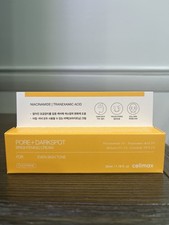
In my experience, the categories that pay off consistently are a reliable facial cleanser, a well-matched moisturizer, and an SPF product you will actually use every day. Those three do more for how your skin looks in five years than any quarterly serum investment. Beyond that, targeted treatments earn their keep when there is a specific issue: a retinol cream for fine lines, a niacinamide product for enlarged pores, a well-formulated eye cream if the under-eye area is genuinely bothering you. What tends to underperform are the expensive "complexion perfectors" that promise everything and do nothing measurable.What I'd skip
Multi-step "complete kits" from the same brand are usually padded with two or three products that exist to make the kit feel comprehensive, not because the products are effective. Buy individual pieces that fit your actual skin, not a box built around a marketing narrative. I would also skip anything marketed primarily on packaging — if the jar is gorgeous but the ingredient list is thin, the brand spent its budget on the wrong thing. Bottom line: Cosmetics are not bad; most just have short memories. Build a simple base of products that genuinely support skin health — a cleanser, sunscreen, and a moisturizer suited to your skin type — and add cosmetics on top for what they are: a boost, not a solution. Check ingredients before price tags, patch test before committing, and do not let a beautiful bottle talk you into skipping the label. Ready to shop? Compare Beauty across stores →📢 Affiliate Disclosure: This article contains affiliate links. We may earn a small commission at no extra cost to you when you click through and purchase.