


Coin Handling Supplies That Actually Protect a Coin's Value

The fastest way to destroy a coin's value isn't time or weather. It's a fingerprint, a careless drop, or a scratch you didn't even feel happen.
In coin collecting, condition is everything, and the coins themselves are the gold. That's why so much of the hobby's gear isn't about display or showing off, it's about protection. The slightest hint of damage can knock a coin's value down hard, sometimes from "worth real money" to "worth face." The good news is that the supplies standing between your coins and disaster are mostly cheap. The bad news is that beginners skip them, handle coins bare-handed over a hard table, and learn this lesson the expensive way. Here's the protective kit that actually matters.
Gloves and tweezers: never touch a coin barehanded
Your bare fingers are the enemy. Skin oils leave prints that etch into a coin's surface over time, and a careless grip drags grit across the metal. The fix is simple: handle coins with gloves, preferably white cotton or plastic, so you can spot dirt and avoid transferring oils. White matters because it shows you when the gloves themselves get dirty.
If gloves feel clumsy, the alternative is coin tweezers, and these are not the tweezers from your bathroom drawer. Proper coin tweezers have plastic-coated tips specifically so the metal never scratches the coin. Either tool works; the rule is just that the coin only ever touches cotton, plastic, or coated tips, never skin and never bare metal. Pick whichever feels natural in your hands and use it every single time. A starter coin collecting kit often bundles both so you can try each.
The magnifier and the workspace
To judge condition you have to see condition, which means a coin magnifying glass is non-negotiable. The useful upgrade here is a magnifier with a built-in stand, because it frees up both hands for handling the coin and dramatically lowers the odds of an accident while you're peering at it. Fumbling a coin with one hand while holding a loupe in the other is exactly how drops happen.

Which brings up the most overlooked supply of all: a soft surface. Always work over a mat or a folded soft cloth on your table. Coins get dropped, it's inevitable, and a coin that falls onto a hard table can be damaged enough to lose nearly all its value in one bounce. A cheap mat absorbs the impact and turns a catastrophe into a non-event. I cannot overstate how much grief this one-dollar item prevents. Lay it down before you ever open a coin holders flip.
Cleaning: the trap everyone falls into
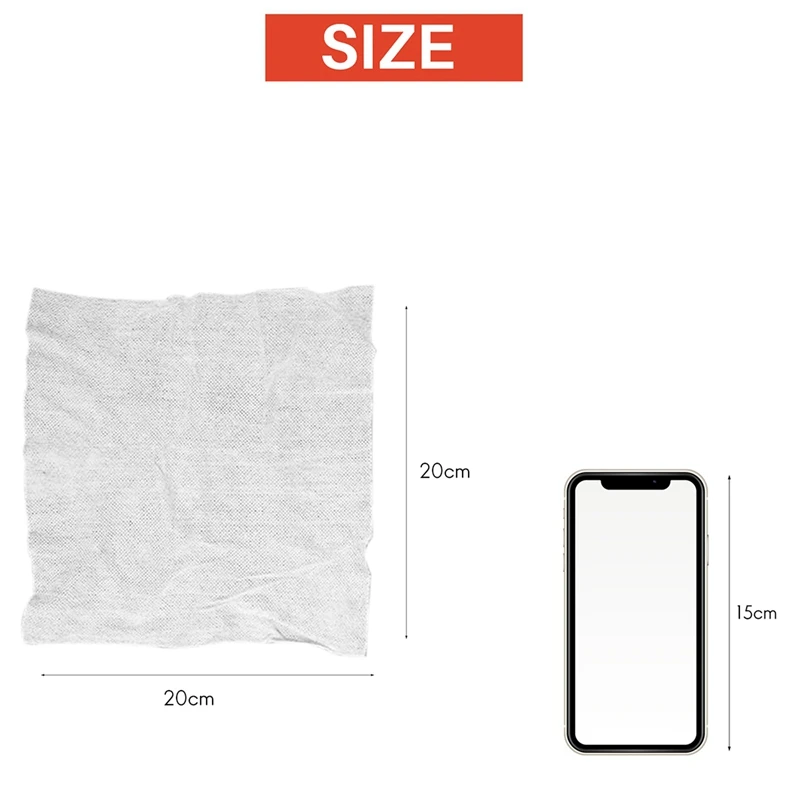
Here's where I have to push back on instinct. A dirty coin looks like it wants cleaning, and most beginners reach for something abrasive. Don't. For the rare case where cleaning is appropriate, the only safe approach is a mild soap and a soft, high-integrity fiber cloth, nothing harsh, nothing abrasive, nothing that scrubs.
And honestly, the safer default is to not clean valuable coins at all. Improper cleaning leaves hairline scratches and strips original surfaces, and the market punishes cleaned coins severely. So treat cleaning supplies as a last resort for low-value pieces, not a routine. When in doubt, check what a coin grading guide says about a coin's surfaces before you touch it with anything, because that "grime" might be original toning that collectors actually pay extra for.
Display, transport, and the rest
Once a coin is safe, you want to enjoy it, and display boards are how. Coin boards are popular for showing a collection, and in the U.S. the map-of-the-states board is a favorite for displaying the different state quarters. Just be deliberate about it, mounting and unmounting coins is another moment where damage sneaks in, so do it over your mat.
For moving coins around, coin envelopes are the practical pick. These paper envelopes let you transport a coin safely while writing its details right on the outside, which doubles as quick labeling. Beyond all this there are boxes, holders, and folders, but notice the through-line: every single coin collecting supplies item exists to preserve the coin's condition. That's the whole philosophy.

Build the kit in the right order
If money is tight, buy these in order of how much damage they prevent. First, the soft mat, because a single bad drop can erase a coin's entire value and the mat is the cheapest insurance you'll ever own. Second, gloves or coin tweezers, because fingerprints are slow, permanent, and completely avoidable. Third, archival coin holders and a few silica packets, because storage is where coins quietly corrode over months and years. The magnifier and display boards come after that, since they're about evaluation and enjoyment rather than raw protection.
Notice what's deliberately near the bottom of that list: cleaning gear. The instinct is backwards. New collectors want to make coins shiny and end up sanding value off them, while the experienced crowd spends its money keeping coins exactly as they are. If you internalize one thing from this whole piece, let it be that preservation beats restoration every time. A coin you protected is worth more than a coin you "improved," and that holds true across the entire hobby of coin collecting.
Get this right and the difference is stark. The same coin, handled with gloves over a mat and stored in safe holders, stays priceless; handled barehanded over a hard desk and tossed in a drawer, it goes price-less. The supplies are cheap, the coins are not, and the few dollars you spend protecting them is the best return in the entire hobby. Build the protective kit first, before you chase the next coin, and everything you collect afterward stays worth what you paid.
Ready to shop? Compare coin collecting supplies across stores →


