

Earning the Coin Collecting Merit Badge: A Real Checklist
My nephew came to me with the coin collecting merit badge requirements and a look of mild panic, and I told him the truth: it's a lot less scary than the worksheet makes it look.
The badge isn't a memory test. It's a "show me you actually understand this hobby" test, and that's a useful distinction. A counselor doesn't want you to recite definitions like a parrot. They want to hand you a coin and watch you do something intelligent with it. So if you approach it as a set of skills to demonstrate rather than facts to cram, the whole thing gets a lot more doable. Here's how I broke it down for him.
Know the grading scale cold
This is the backbone of the badge. You need to be genuinely comfortable with the condition grades, walking up the ladder from Poor, Fair, Good, Very Good, Fine, Very Fine, and Extremely Fine, all the way to Uncirculated. And it's not enough to name them. A typical requirement asks you to actually produce examples for each category, so you'll be pulling real coins and defending why each one lands where it does.
The way to prepare is to sit down with a coin grading guide and a pile of your own coins and sort them by hand. Assign a grade to each, out loud, like you're explaining it to the counselor, because that's exactly what you'll be doing. Build a little tray with a labeled example of each grade and you've basically pre-answered the hardest part of the badge.
Speak the language
Coin people have their own vocabulary, and the badge wants proof you can speak it. You'll need to know terms like encapsulated coins, proof coins, and legal tender, and be able to explain the difference between a coin that's been "buzzed" or "whizzed," which are forms of artificial cleaning that hurt value. You'll also want clean definitions for clad, date set, obverse, reverse, and type set ready to go.
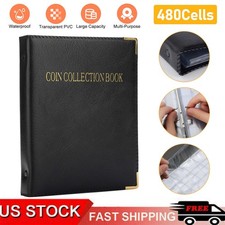
Don't just memorize one-line definitions, because a good counselor follows up. Understand why a proof coin is different from a business strike, or why a whizzed coin is a problem and not an upgrade. A decent coin collecting book will give you the context that makes these terms stick instead of just the words.
Storage, anatomy, and handling
The badge cares that you can take care of coins, not just identify them. Be ready to describe different storage methods and, importantly, the advantages and disadvantages of each, because the counselor wants to see judgment, not a single memorized answer. Know why PVC flips are a problem and why archival coin holders matter.
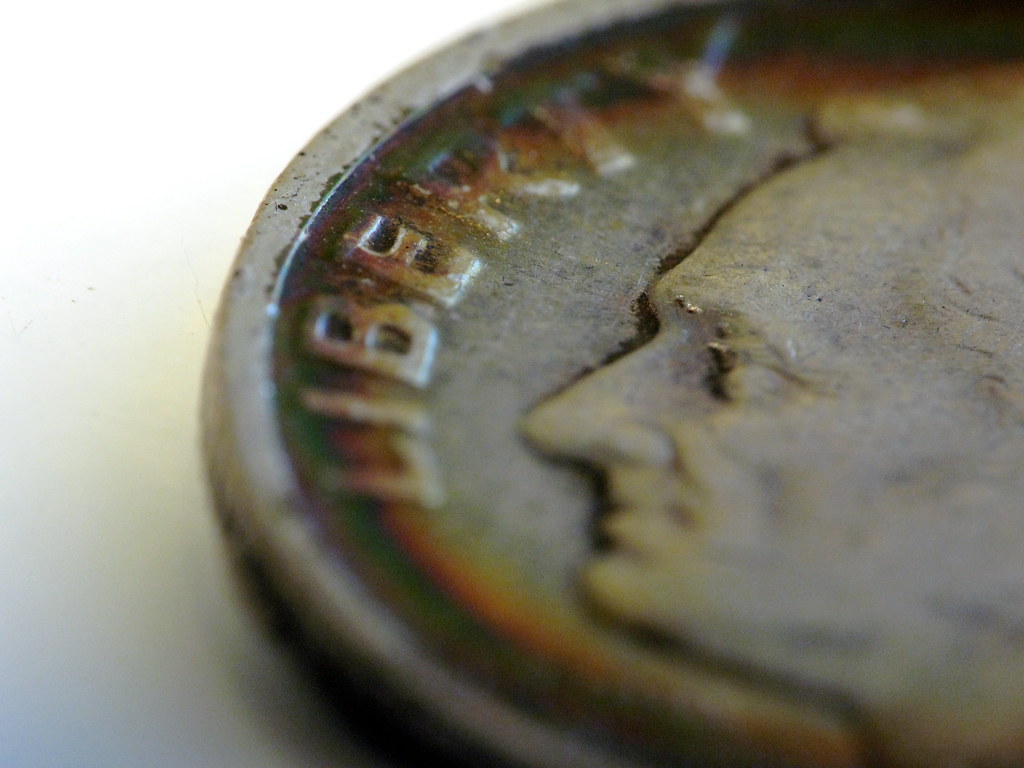
You'll also need coin anatomy. Where the mint mark sits on various coins, and where to find the designer's initials. This is the kind of thing that feels trivial until someone hands you a coin and asks "where's the mint mark," so practice finding them on a few different denominations. While you're at it, get a coin magnifying glass and use it, because half of anatomy is just looking closely.
Show curiosity beyond the worksheet
One of the nicer parts of the badge is that counselors genuinely enjoy hearing what you've learned on your own. Stories from a coin journal you read, a workshop or seminar you attended, a coin club meeting, or a visit to a mint facility all count, and they make you stand out. You're also expected to know something about coins from other countries, not just U.S. issues, so do a little reading on world coins and the hobby of coin collecting broadly.
This is where personality helps. A Scout who can talk about a weird coin they found and why it caught their interest reads as a real collector, which is the whole point of the badge.
Spot the fakes
Finally, you'll need a working sense of authentic versus counterfeit. Nobody expects you to be a forensic expert, but you should know the basic tells and where to get help, whether that's reading a guide or talking to staff at a mint or a reputable dealer. Cross-referencing a coin's expected weight and design against a coin price guide and reference photos is a reasonable habit to demonstrate.
How to study so it sticks
One thing I told my nephew that I'll pass along: don't try to learn this from the worksheet alone. The badge rewards hands-on familiarity, so the fastest path is to handle real coins constantly. Keep a working tray of examples, drill the grades by sorting them, and quiz yourself on terminology out loud the way the counselor will. Reading is necessary but it's the practice that makes the answers automatic.
It also helps to find a mentor early. A local coin club, a patient dealer, or a relative who collects can compress weeks of fumbling into an afternoon, because they'll show you where the mint mark hides on each denomination and what a whizzed coin actually looks like under a loupe. The counselor wants to see a Scout who has done the hobby, not just read about it, and the easiest way to do the hobby is alongside someone who already does. Borrow their coin collecting book if you have to. The badge is much more fun, and far less stressful, when you treat it as a reason to actually start collecting rather than a test to survive.
Put it all together and the badge stops looking like a wall of requirements and starts looking like what it is: a guided tour through becoming a real collector. Grade some coins, learn the words, store things properly, find the mint marks, stay curious, and know a fake when you see one. My nephew earned it, and somewhere in the process he stopped doing it for the badge and started doing it because he actually liked the coins. That's the badge working as intended.
Ready to shop? Compare coin collecting book across stores →


