

Reading Mint Marks and How Coins Are Actually Made

The first time someone showed me that the same year, same denomination coin could be worth pocket change from one mint and a small fortune from another, I felt like I'd been handed a secret. The difference was a single tiny letter most people never notice. That letter is the mint mark, and learning to read it is one of the cheapest, highest-leverage skills in the hobby.
What a mint mark is
A mint mark is a small letter stamped onto a coin to record which facility struck it. In the U.S. system, different branches each carry their own initial, and where you find that letter on the coin depends on the era; for a long stretch the mark sat on the reverse, then later issues moved it to the front. The marks themselves go back a very long way; ancient Greek and Roman coins already carried symbols identifying their place of minting, so this isn't a modern invention. It's one of the oldest pieces of bookkeeping in human commerce.
There are quirks worth knowing. Coins struck at the main Philadelphia facility historically carried no mint mark at all for most denominations, with a letter being added only later. So the absence of a mark is itself information, not a mistake. To read these reliably you want magnification; I keep a coin magnifier on the desk and a jewelers loupe in my pocket, because the marks are genuinely small and their exact size and placement can vary depending on how deeply the punch was pressed.
Why one letter changes the price
Mint marks matter because mints don't strike in equal numbers. One branch might produce a denomination by the millions in a given year while another strikes a comparatively tiny run. That small run becomes the scarce, sought-after version, and collectors chasing a complete set by date and mint will pay up for it. So when you grade and value a coin, the mint mark sits right alongside date and condition as a core variable. Miss it and you can badly misjudge what you're holding, in either direction. I've seen people sell genuine scarcities for face value because they never checked the letter, and I've seen people overpay for the common version because they assumed any old date was rare.

From metal strip to struck coin
It helps to understand how a coin physically comes to exist, because the process explains a lot of what you see under the loupe. It starts with metal worked into strips of precisely the right thickness and composition. Different denominations use different recipes; some are a single base metal, others are layered sandwiches with a core of one metal clad in another, which is why a worn modern coin sometimes shows a different color peeking through at the edge.
Those strips run through blanking presses that punch out round discs roughly the size of the finished coin. The raw blanks are then softened in an annealing furnace, tumbled and cleaned, washed and dried, and run through an upsetting machine that raises the rim you can feel around the edge. Only then do they reach the coining press, where each blank is held by a collar and struck under enormous pressure, both faces stamped at once. The pressure involved is genuinely huge, scaling up with the size of the coin. That single violent strike is what transfers the design, and the sharpness of that strike is part of what graders judge.
Designs, mottos, and the long game
The designs themselves are deliberately stable. In many systems a coin's design can't be changed for decades without specific authorization, which is why generations grow up with the same familiar faces in their change. Special programs occasionally break the pattern, like multi-year series that rotate through commemorative reverse designs, and those rotating issues are a fun, affordable way to assemble a complete run. Mottos have their own histories too, phasing in across denominations over years rather than appearing all at once.

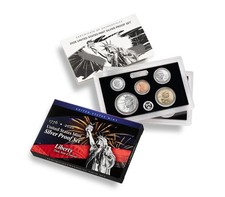
For a collector, all of this is why I organize by date and mint together. A good coin album or a mint set folder with labeled slots turns an abstract checklist into something physical you can fill, and the empty holes nag at you in the best way. Keep the coins themselves in coin capsules or coin flips until they're filed, handle them with cotton coin gloves, and use that coin magnifier every single time before you decide what a coin is. The letter is small, but it's the difference between common and special, and noticing it is free.
Ready to shop? Compare mint set folder across stores →