
Starting a Coin Collection With Your Kid (Without Killing the Fun)
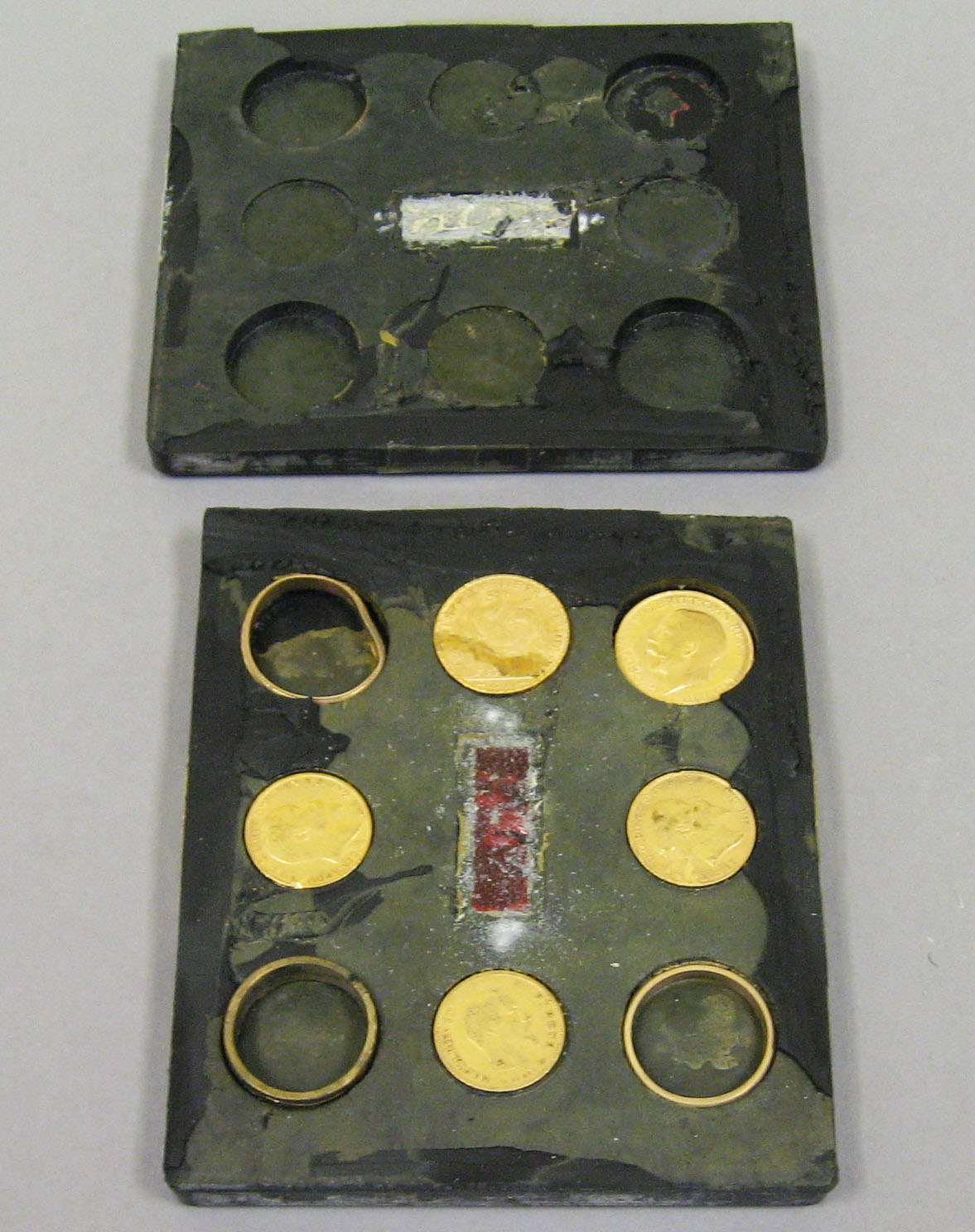
The whole thing started because my daughter wanted to dump her piggy bank on the floor and count it, and I made the mistake of saying "some of these are older than you are."
That one sentence bought me about forty-five minutes of genuine attention from a seven-year-old, which if you have kids you know is roughly the GDP of a small nation. We sorted by year. We found a penny from before either of us was born. She wanted to know why one looked different, and I didn't have a good answer, so we looked it up together. That's coin collecting for kids in a nutshell: it's a history lesson and a patience lesson disguised as treasure hunting, and it costs almost nothing to start.
Start with the change you already have
Do not go buy anything yet. The biggest mistake I see parents make is treating this like it needs a budget. It doesn't. Crack open the piggy bank, grab a fistful of pocket change, and just sort it with your kid. Sort by year. Sort by how worn it is. Sort by which president is on it. The sorting is the activity. You are teaching focus and categorization, and they think they're playing.
The magic moment is when you find something odd, a coin with a weird date, a doubled letter, a smudged strike. Misprints and minting errors are genuinely worth more than face value, sometimes a lot more, and the hunt for one keeps kids coming back to the jar. You don't need to promise riches. You just need to plant the idea that any handful of coins might hide something unusual.
Separate the collection from the savings
Here's a rule that saved us a meltdown: the collection coins live somewhere completely different from the spending coins. We used a small tin for the keepers. The moment a coin becomes "part of the collection," it stops being money she can spend on candy, and that distinction taught her more about value and trade-offs than any allowance lecture ever did.
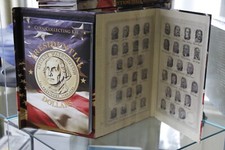
When the tin gets full, that's your signal to upgrade. A simple coin collecting kit for kids usually comes with a folder, and there are two kinds worth knowing. One holds coins individually in punched slots, which is great for date-based sets like state quarters. The other is a sheet that holds a bunch of coins per page behind clear plastic. We started with the slot folder because filling the empty holes is its own little game, like a sticker book that pays you back.
The few supplies actually worth buying
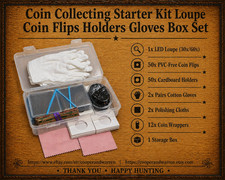
I went down a rabbit hole researching gear and most of it is overkill for a kid. Here's the short, honest list. A folder or album, because loose coins get lost and scratched. A cheap coin magnifying glass so they can see the tiny details, which is half the fun. And that's basically it for the first year. You do not need gloves, tweezers, or a humidity-controlled case for a kindergartener's pennies. If the hobby sticks, you graduate to better coin collecting supplies later. If it doesn't, you've spent ten dollars instead of a hundred.
I'll be straight about the trade-off: the album makes the hobby feel official and gives them somewhere to aim, but it also introduces the first taste of "I need to complete the set," which can tip a relaxed kid into frustration over a missing 2009 cent. Watch for that. If filling holes becomes a chore, go back to the jar and the magnifying glass. The point is the curiosity, not the completion.
Why it actually pays off later
The thing nobody tells you is that the coins are almost beside the point. What my daughter got out of it was the experience of saving toward a specific thing, working a little to reach a goal, and not running to me every time she wanted money. She took her folder to school for show-and-tell and came home three inches taller because she'd built something herself.
Coins are a sneaky-good teaching tool because they're concrete. A kid can hold history in their hand, and the value is right there to debate. If you want to nudge it further, a basic coin price guide turns the dinner table into a research session, and learning to read a coin grading guide teaches them that condition matters as much as rarity.

Keep it loose for as long as you can
My one regret was getting too organized too fast. The week we started tracking everything in a coin inventory record was the week she briefly lost interest, because it started to feel like homework. We backed off, went back to dumping the jar and hunting for weird ones, and the interest came right back.
If you want to stretch the hobby further, lean into the history hiding on each coin. Every date is a little doorway, and a curious kid will happily fall down a rabbit hole about what the world looked like the year a particular penny was struck. We turned a few coins into mini research projects, and those are the ones she remembers, not because they were valuable but because she learned something while holding them. A cheap coin price guide is great for this, less as a way to chase money and more as a way to spark "why is this one worth more than that one" conversations.
So my advice, parent to parent: start with what's in your pocket, separate the keepers, buy one folder and one magnifier, and resist the urge to make it a system. The collection can get serious later if they want it to. Right now you're just trying to show a kid that the boring metal discs adults ignore are actually little time machines, and that paying attention to small things is its own reward. Mine still does it. That's the whole win.
Ready to shop? Compare coin collecting kit across stores →