
Budgeting Tools That Actually Help You Stick to a Budget

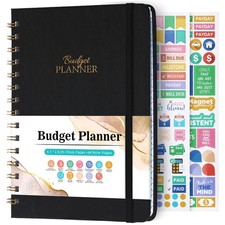
The best budgeting tool is the one you'll actually use twice. Fancy spreadsheets and complicated systems look impressive and get abandoned by Friday. The stuff that sticks is almost embarrassingly simple — and it's what keeps a budget alive past the first month.
I've cycled through elaborate setups and landed on a handful of plain tools that do 90% of the work. Here's what earns a place.
A budgeting app does the math you'll skip
A good budgeting app links to your accounts, sorts your spending into categories automatically, flags upcoming bills, and shows you a picture of where the money's going without you doing arithmetic. The automation is the point — a system that needs you to log every coffee is a system you'll quit. Most have a free tier that's plenty for a household.
The cash envelope system, for the categories you overspend
For the budget lines that always blow up — eating out, groceries, "fun" — old-fashioned cash works better than any app. A cash envelope system is exactly what it sounds like: load each envelope with the week's allowance, and when it's empty, you're done. Physically running out of cash teaches a lesson a declining number on a screen never quite does.

Lists keep you out of the impulse aisles
Most overspending happens with a cart in your hands. A simple shopping list — paper, phone notes, whatever — keeps you buying what you planned and walking past what you didn't. Before a grocery run, plan the week's meals and list only what you're actually missing. Without a list you drift the aisles and pick up things you already own.
A filing system tames the paper
Bills, receipts, statements — a cheap set of file folders and a label maker turn the kitchen-counter pile into something you can actually find. Knowing what you owe and when it's due is half of staying on budget, and it takes ten minutes a week to maintain.
Coupons and a little planning, where it's painless
Coupons and store discounts are free money for things you were buying anyway — just don't let a coupon talk you into something you didn't need. The saving only counts if the purchase was already on the list.

What I'd skip
Skip the $15/month premium budgeting software when the free version covers you. Skip any system with more than a handful of categories — over-categorizing is how budgets die of boredom. And skip tools that need daily manual entry unless you genuinely enjoy it; automation beats willpower every time.
The honest answer
An app for the overview, cash envelopes for the categories you can't control, a shopping list to dodge impulse buys, and a folder to corral the paper — that's a complete budgeting toolkit for almost anyone. Pick the two that fit your life, use them for a month, and let the boring tools do the disciplined work for you.
Ready to shop? Compare budgeting app across stores → 📚 Or browse investing & money courses in Digital Goods →