
Wikishopline ›
Articles ›
Finance & Investing ›
Forex Trading Courses: What to Look for and What to Skip
Forex Trading Courses: What to Look for and What to Skip

I've read through enough forex course marketing to know the pattern: a lot of confident language, big income claims, and surprisingly little detail about what you'll actually learn. A good course does exist. Here's how to find it.
What you legitimately need a course for
Let me start honestly: a lot of what's taught in paid forex courses is available free. Basic concepts — what a pip is, how leverage works, how to read a candlestick chart — are thoroughly covered in free broker resources, YouTube, and books. Paying for a course to learn the basics that are freely available is not a great use of money. Where a structured course adds real value is at the intermediate level: systematic approaches to identifying setups, rigorous risk management frameworks, how to evaluate your own trading performance statistically, and what discipline looks like in practice over hundreds of trades. The psychological element especially is hard to learn from scattered reading and benefits from structured instruction with someone who has actually lived through the emotional challenges of trading. The other place a course earns its cost is in time compression. A well-organized curriculum covers in weeks what might take months of undirected reading and trial-and-error. If that compression is worth the price to you, and the course is legitimate, it can be reasonable value.The curriculum checklist for a serious course
Before paying for anything, look for explicit coverage of these topics in the curriculum: **Margin and leverage** — not just definitions, but how they interact with risk and what happens to your account at different leverage levels when a trade goes badly. **Types of orders** — market orders, limit orders, stop-loss orders, trailing stops. Understanding the full toolkit of how to enter and exit positions is practical and non-negotiable. **Major currency pairs** — each pair has its own behavior, volatility, and key economic drivers. A good course covers these individually. **Fundamental and technical analysis** — both matter. Fundamental analysis is about understanding what drives currency values (interest rates, economic data, central bank policy). Technical analysis is about reading price charts to time entries and exits. Neither alone is sufficient. Any course that teaches only technical analysis and ignores fundamentals is giving you half a picture. A forex fundamental analysis book alongside any technical course is worth having.Classroom vs. online: practical considerations
In-person courses at reputable trading schools offer instructor access, live market practice, and peer networking. The networking alone can be valuable — connecting with other people who are actively learning creates an accountability structure that self-directed study lacks. Online courses are more accessible and often cheaper. Quality varies more widely. The strongest online courses are modular, include live or simulated trading components, and have active community forums or coaching sessions where students can ask questions. A video library you watch passively and never apply is worse than a cheaper but more interactive course. One thing both formats should include: demo or simulated trading. Learning to trade by reading without ever placing a practice order is like studying a language and never speaking it. A good forex trading simulator software alongside any course makes the learning concrete. A proper study setup helps too — a comfortable ergonomic chair for desk work and an external monitor for charting practice make multi-hour study sessions more sustainable.Red flags in course marketing
Any course that leads with income claims or testimonials from "successful students" before describing what it teaches should be viewed skeptically. Success stories are anecdotal. The curriculum is what you're buying. Watch for courses where the instructor's background is vague. "I've traded forex for years" is less informative than "I traded at [firm] from [year] to [year] with a verifiable track record." Some of the best-marketed forex courses are taught by people whose main income is selling courses, not trading.What I'd skip
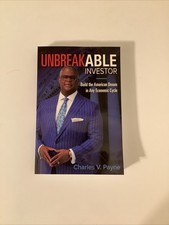
Skip any course priced at several thousand dollars without a sample lesson available. Skip courses that promise a "proprietary system" that beats the market — there's no publicly sold secret edge in a market with millions of professional participants. Skip anything that glosses over risk management. **Honest bottom line:** A good forex course costs somewhere in the range of a few hundred dollars and covers the mechanics, risk management, and practical application seriously. Before buying any course, invest in one solid forex trading book first — after reading it, you'll have a better idea of what you actually still need to learn. *Not financial advice. Forex trading involves substantial risk of capital loss.* Ready to shop? Compare Finance & Investing across stores → 📚 Or browse investing & money courses in Digital Goods →📢 Affiliate Disclosure: This article contains affiliate links. We may earn a small commission at no extra cost to you when you click through and purchase.