


Money-Saving Tips That Actually Work for Broke College Students

College is a blur. Between studying, a part-time job, friends, and whatever club you talked yourself into, the one thing that quietly falls off the list is your money. I know because I lived it, I was the student who had no idea where his cash went, just that it was gone by the third week of every month. The good news is that broke-student finances aren't actually complicated. They mostly come down to a few habits that nobody bothers to teach you before you leave home.
I'm not going to pretend a college budget is fun. It's not. But being the person who can cover an emergency, instead of frantically calling home, is worth a lot of small daily annoyances. Here's what actually moved the needle for me.
Plan before you ever move in
The best financial decisions happen before you even unpack. Before signing up for any student loan, check whether you're eligible for scholarships and grants, free money you don't have to repay beats borrowed money every single time. People skip this because it's paperwork, and it's an expensive thing to skip.
Then build a cash flow on paper. First, where does your money come from? List every source, parents, loans, your part-time job. Then forecast what you'll spend, food, books, supplies, the lot. Once you've set a budget, the hard part: be strict and stick to it. And build in a cushion, because something unexpected always shows up, and having a downfall fund for emergencies is what separates a stressful semester from a disastrous one. I kept the whole thing in a budget planner notebook so it wasn't just a vague intention.
Food is where the budget dies
Living at home, food was invisible, it just appeared. On your own, it's one of your biggest expenses and the easiest one to blow. Fast food and campus takeout will quietly destroy a student budget faster than anything else.

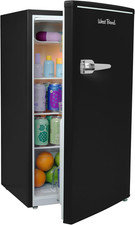
So I packed lunches and planned meals as much as I could manage. It's not glamorous, but cooking even a few times a week instead of grabbing something costs a fraction. A few reusable food containers and a college dorm mini fridge made this realistic in a tiny dorm, store the basics, prep ahead, stop paying restaurant prices for every meal. A reusable water bottle also killed my habit of buying drinks I didn't need.
Use every student discount you can find
Those IDs in your wallet aren't just for getting into the library. Student IDs and club memberships are honored at a surprising number of places, software, transit, movies, restaurants, tech, often at a real discount. The catch is you have to ask, businesses rarely advertise it. Get in the habit of asking "do you have a student discount?" everywhere. The worst they say is no.
While you're at it, when you shop somewhere regularly, sign up for their loyalty or bonus card. Being a repeat customer often earns rewards over time that add up. I keep my cards tidy in a slim card wallet so I'm not fumbling and missing the discount at the register.
Pay with cash to feel the spending
This one changed my habits more than any other. Since I already had my spending mapped out, paying in cash made it dead simple to see where the money went, the wallet got lighter and I felt it. Cards make spending abstract; cash makes it real.
I avoided my debit card when I had cash on me, and saved credit cards and checks strictly for emergencies. Having cards, checks, and cash all in easy reach is a recipe for overspending, you reach for whatever's frictionless and lose track. Carrying a set amount of cash for the week, in a slim minimalist wallet, forced me to stay inside my plan because when it was gone, it was gone.

Stay busy and stop spending out of boredom
Here's the sneaky one: a huge amount of student spending is just boredom. Bored students buy snacks, movie tickets, game rentals, whatever fills the empty hour. The cheapest defense is a full schedule.
I joined clubs in things I actually cared about, and the busier I was, the less I spent, simply because I wasn't sitting around looking for something to buy. Keeping your mind occupied with people and interests crowds out the aimless spending. A student planner notebook to stay on top of class deadlines and club schedules did double duty here, organized time meant less idle, expensive boredom.
It adds up faster than you'd think
None of these tips is dramatic on its own. But stack them, plan ahead, pack your food, work the discounts, pay cash, stay busy, and you'll be genuinely surprised how much you save over a semester. More importantly, you'll have a real cushion when the inevitable college emergency hits, the broken laptop, the surprise fee, the trip home you didn't budget for. I keep my records and receipts in a document organizer file box so I always know where I stand. Being the broke student who's somehow never actually broke is a very good thing to be.
Ready to shop? Compare college dorm mini fridge across stores → 📚 Or browse investing & money courses in Digital Goods →


