Needs vs Wants: The Simple Filter That Changed My Spending

I didn't have a money problem so much as a category problem. Everything I bought felt necessary in the moment — the upgrade, the convenience, the little treat. It was only when I started forcing each purchase into one of two boxes, need or want, that I saw how much of my "necessary" spending was nothing of the kind.
This isn't about denying yourself. Wants are fine; a life of pure needs is grim. It's about being honest enough to know which is which, so the wants you choose are deliberate instead of accidental. That single filter did more for my finances than any budgeting app. Here's how I use it.
Fund the real needs first
The genuine needs are short and boring: food, shelter, basic transportation, basic clothing, the utilities that keep those running. These come out first, no debate, because your health and security depend on them. Everything else is negotiable, and naming the true needs makes the negotiable stuff visible for what it is.
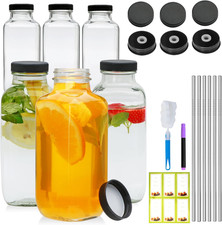
The trap is that wants disguise themselves as needs. I "needed" a coffee out because I "needed" the caffeine — but the caffeine is the need and the four-dollar cafe version is the want. A reusable water bottle or a travel coffee mug from home meets the actual need for a fraction of the cost. Once I separated the underlying need from the expensive way I was meeting it, cheaper paths appeared everywhere.
Be satisfied with what still works
A huge share of my spending was replacing things that didn't need replacing. The phone still worked; I wanted the new one. The jacket was fine; I wanted a different one. There's nothing wrong with upgrades, but treating "newer exists" as a reason to buy is how money disappears with nothing to show for it.
I started asking a blunt question: does what I have still do the job? If yes, the new version is a want, and it goes through the want process — wait on it, see if I still care in a week. Most of the time the urge passed. Contentment with functional things I already own turned out to be quietly one of the most profitable habits I have. It costs nothing and saves constantly.

Try before you trust the purchase
For the wants I do pursue, I learned to test before I commit. I'd bought too many things on the promise of the packaging that turned out to be junk. Now, where I can, I try the item, read honest reviews, or buy the small version first to confirm it's actually good before I spend more on it.
Quality matters here in both directions. For things I'll use hard and rely on — good walking shoes, a solid chef knife, a tool I'll keep for years — buying cheap is a false economy, because I'll replace it three times. For things I'll barely use, the budget version is plenty. The skill is matching the spend to how much the thing actually matters, instead of buying premium on impulse and cheap on essentials, which is backwards from how most of us do it.
Plan the spend before the money's gone
The filter only works if you apply it before you're standing at the register with adrenaline going. So I plan purchases in advance — I decide what I'm buying and roughly when, which gives me time to run things through the need-or-want test calmly. Impulse is the enemy of the filter, because in the moment everything feels like a need.
I also compare before committing, since the same want is often available cheaper elsewhere or at the end of its season. A quick check across a couple of stores, online included, regularly saves real money on something I was going to buy anyway. A budget planner notebook is where I write upcoming wants down with a date; if it still matters when the date arrives and the money's there, I buy it without guilt. Planning converts impulse into choice.
The filter is freedom, not restriction
People hear "needs versus wants" and brace for a lecture about giving things up. It's the opposite. When I stopped letting wants masquerade as needs, I freed up money to spend deliberately on the wants I actually care about — the trip, the hobby, the occasional genuinely nice thing. The filter didn't shrink my life; it pointed my money at what mattered to me and away from the leaks.

Watch the small wants, because they hide
The big wants are easy to catch — you notice a major purchase. It's the small, repeated ones that slip the filter, because each feels too trivial to question. The daily snack, the app subscription you forgot about, the upgrade-of-the-month. Individually they're nothing; added up over a year they're often the largest leak in the whole budget.
I caught mine by tracking every purchase for one month, no exceptions, in a budget planner notebook, then reading it back and marking each line need or want. Seeing the wants total in one place was sobering in a useful way. I also audited recurring charges and killed the subscriptions I wasn't actually using — that one review paid for itself many times over. The filter only catches what you actually look at, so the small stuff needs the same honesty as the big stuff.
That's the whole trick. Fund the true needs, stay content with what still works, test the wants before you trust them, match quality to importance, and plan before you spend. None of it requires deprivation — just honesty about which box a purchase belongs in. Run every dollar through that one question and your spending starts reflecting your actual values instead of the marketing you happened to see that day.
Ready to shop? Compare reusable water bottle across stores → 📚 Or browse investing & money courses in Digital Goods →