
Stock Market Basics Before Forex: Why the Order Actually Matters

A lot of people come to forex trading without any real grounding in how financial markets work at all. They've heard forex is accessible and liquid, which it is, but they skip over foundational concepts that would actually protect them from early mistakes. Spending time on basic market mechanics before diving into currency trading isn't wasted — it's the foundation. All investing involves risk; forex especially so.
Why the Foundation Matters
Financial markets — whether domestic stock exchanges or international currency markets — operate on the same underlying principles: buyers and sellers, supply and demand, price discovery over time. Someone who understands how a domestic market works at a basic level already has the mental model for how order execution, bid-ask spreads, liquidity, and price movement function. They're not starting from zero when they encounter forex.
Someone who skips straight to currency trading without that foundation is simultaneously learning two things: the specific mechanics of forex and the general mechanics of financial markets. That's harder, and it shows up in the kinds of mistakes beginners make — not understanding what a spread really means, not recognizing why liquidity affects execution quality, not grasping how leverage multiplies both gains and losses.
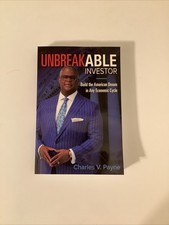
A solid investing books for beginners covering market structure gives you concepts that transfer across all market types. That investment of reading time pays forward.
What Bull and Bear Markets Actually Mean for Traders
The terms "bull market" (general upward trend) and "bear market" (general downward trend) are used in both equities and forex contexts, with important differences. In equity markets, a bull market is relatively straightforward — most stocks tend to rise together. In forex, markets are always pairs — one currency rising means another is falling — so the concept translates differently.
What transfers directly is the underlying logic: trends persist for longer than most people expect, and position traders who understand trend dynamics and can hold through normal volatility tend to do better than those who trade against the trend. A stock market guide book that covers trend analysis well gives you mental models that apply directly to forex charting.

Understanding market cycles also helps with psychology. Knowing that markets historically recover from crashes, that extended flat periods precede breakouts, and that volatility is normal rather than exceptional — this prevents the panic-selling and panic-entering that destroys beginner accounts.
The Analogy That Actually Helps
Learning to trade is often compared to learning to drive. You don't need to understand every component under the hood, but you need to know the controls, the rules, and how to handle unexpected situations before you drive at highway speed. Most people who try to learn forex by jumping straight into live trading are essentially learning to drive on a highway before they've mastered a parking lot.
Starting with a simpler domestic market — or at minimum, with strong foundational reading — is the parking lot phase. A beginner investor book set covering stocks and market mechanics builds the judgment that makes forex decision-making cleaner and more defensible.
Making the Jump to Forex
Forex adds complexity that domestic equity markets don't have: 24-hour trading, currency pair dynamics where two economies are always in play, higher leverage availability, less regulatory protection in many cases, and more direct sensitivity to geopolitical and macroeconomic news.
None of that is insurmountable, but it's all easier to manage if you've already internalized how order books work, what moves prices, and how to read basic price history on a chart. Those skills come from general market education, not just forex-specific content.

A personal finance and investing book that covers both basic investing concepts and market mechanics gives you the widest foundation for the forex learning that follows.
What I'd Skip
Spending so much time on foundational theory that you never start practicing in a real demo account. At some point, theory has to connect with actual market exposure — even simulated exposure. The goal of building a foundation isn't to delay trading indefinitely; it's to make the first real exposure less chaotic and more productive.
The honest answer is that forex trading is genuinely difficult and the majority of retail participants lose money, particularly in the early stages. Good foundational knowledge doesn't change those odds dramatically — but it can make the learning curve less expensive and help you reach the point of informed judgment faster.
Ready to shop? Compare Finance & Investing across stores → 📚 Or browse investing & money courses in Digital Goods →