
Wikishopline ›
Articles ›
Finance & Investing ›
Where to Actually Get Good Credit Card Debt Information
Where to Actually Get Good Credit Card Debt Information

Before you do anything about credit card debt, you need accurate information. The problem is that the internet makes it easy to find confident advice that's flat-out wrong, and good advice that's ten years out of date. Here's how I now think about which sources are worth trusting.
Books: deep but sometimes outdated
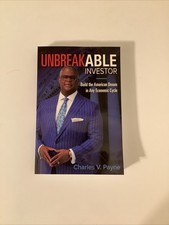
There's a real case for personal finance books when you're learning about debt. The best ones are written by people with actual credentials — financial planners, economists, credit counselors — and they explain the underlying mechanics, not just surface tips. A good book on debt payoff strategy will teach you how credit card interest actually accumulates, why minimum payments barely reduce balances, and how different payoff strategies compare over time. The limitation is currency. Credit laws change. Bankruptcy rules get updated. Interest rates shift. A book published in 2017 might have advice that no longer applies to your specific situation. The workaround: use books for foundational knowledge (which doesn't change much — interest math is still interest math) and use current sources for anything regulatory or rate-specific. Your public library almost certainly has several solid options for free. You can also search what financial counselors and certified planners are recommending right now and pick up those titles specifically.The internet: fast but requires a filter
The obvious advantage of online resources is speed. You can look up your exact interest rate scenario, find a debt repayment calculator, or read a current explanation of a law that changed this year — all in under an hour. That efficiency genuinely matters when you're trying to understand your options. The danger is the credibility gap. Anyone can write a financial advice article. Many are written to sell something — a particular credit card, a debt consolidation loan, or a paid counseling service. The "advice" is real enough to seem helpful but is shaped around an outcome that benefits the publisher more than you. The tells: articles that recommend a specific product in every section, anonymously written guides, and anything that promises unusually fast or easy results. Government sites (the Consumer Financial Protection Bureau, FTC, and state attorney general offices) are reliable sources for factual, current information about your rights as a debtor.Debt companies: the most actionable but least neutral
A real debt relief service has information you can't easily get anywhere else: current negotiation outcomes with specific creditors, real payment timeline projections based on your actual numbers, and the kind of frank assessment of your situation that a book can't provide. The limitation is motivation. Even legitimate debt companies are businesses. Their advice tends to steer toward their services, and some frame options in ways that favor their particular product (debt management plan, debt settlement, etc.). This doesn't make them useless — it means you go in informed. The smart approach: get your foundational knowledge from books and official government resources first, then bring that knowledge into the room when you talk to a company. You'll ask better questions and you'll be harder to mislead. A budget workbook to organize your own numbers before that conversation is worth the hour it takes.What I'd skip
Skip any forum, social media thread, or anonymous advice site as a primary source. Lived experience is valuable but it's not transferable — someone else's debt type, income, and creditors are different from yours. Use personal stories for motivation; use credentialed sources for actual decisions. Also skip the multi-level programs that try to teach you a debt-elimination "system" for several hundred dollars. Everything in those programs is available for free or near-free through libraries and official resources. **The bottom line:** Use books for concepts, official sites for facts, and reputable counselors for your specific situation. The best sources are the ones that don't need you to stay in debt to stay in business. Ready to shop? Compare Finance & Investing across stores → 📚 Or browse investing & money courses in Digital Goods →📢 Affiliate Disclosure: This article contains affiliate links. We may earn a small commission at no extra cost to you when you click through and purchase.