
Wikishopline ›
Articles ›
Finance & Investing ›
Where to Get Forex Education Without Getting Scammed
Where to Get Forex Education Without Getting Scammed

The forex education industry has a credibility problem. For every honest course that teaches you how markets work and how to manage risk, there are several that take your money and leave you with recycled basics and a false sense of readiness. Here's how I navigate it.
The problem with most forex education content
The main issue isn't that the information is wrong — most of it is technically accurate. The problem is what gets left out. A lot of forex education content teaches mechanics without context. You'll learn what a candlestick pattern is without learning how often it fails. You'll learn about leverage without genuinely absorbing what it means to be leveraged 50:1 when a trade goes badly. The educational content that sells best is optimistic, because optimistic content is what beginners want. The educational content that actually helps is more honest about failure rates and spends real time on the boring-but-critical topics: position sizing, risk-to-reward ratios, the statistical behavior of your strategy over many trades.What a legitimate forex school or course looks like
Legitimate forex education — whether in person or online — has a few consistent features. The instructor has a real, verifiable trading background (not just a background in selling courses). The curriculum covers risk management as a primary topic, not an afterthought. The course includes demo account practice or live simulated trading, because understanding the mechanics without ever placing an order is not learning to trade. Good courses also teach chart reading in a realistic way: messy, ambiguous charts that look like what you'll actually encounter, not clean textbook diagrams. A forex trading course online that shows only ideal setups is teaching you to identify patterns in a world that doesn't look like the live market. In-person options at accredited business schools or trading institutes tend to have more accountability — reputations matter, and their alumni outcomes are somewhat visible. Online courses vary enormously. Before paying anything, see if you can access sample lessons. If the sample is vague or heavy on motivation and light on content, the full course probably is too.Free resources that are actually useful
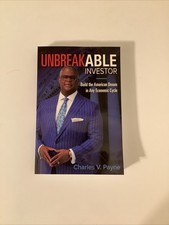
A significant amount of genuinely good forex education is free. Broker-provided resources, while obviously promotional, often cover the fundamentals accurately — it's in the broker's interest for their clients to understand what they're doing. Central bank websites, economic calendars, and sites like Investopedia cover monetary policy and macroeconomics in ways that directly apply to how currencies move. Library resources are underused. A good forex trading book from an author who has actually traded professionally gives you something most online courses don't: real experience filtered through reflection rather than hype. Check your library catalog before buying anything. Forums and trading communities can be useful for Q&A, but treat everything from anonymous sources skeptically. There's a survivorship bias problem: the people posting big wins online are more visible than the people posting losses, which skews the apparent results heavily.The demo account is free and irreplaceable
However you learn the theory, demo trading is the bridge to actual practice. A demo account simulates live market conditions: real prices, real order execution mechanics, real emotional feedback (even with simulated money, seeing a position go against you creates a useful pressure to learn from). Most brokers offer this free, and there's no good reason not to use it for several months before funding a live account. A reliable setup for extended demo work includes a stable internet connection and comfortable hardware — a ergonomic mouse and a clear monitor make a real difference when you're analyzing charts for extended periods. A dedicated monitor for trading with a large display makes chart reading much easier than a laptop screen.Red flags that signal a poor course
Watch for: income claims upfront, testimonials as the primary evidence of effectiveness, no verifiable instructor background, no sample content available before purchase, and pressure tactics ("limited time offer"). Reputable educational content doesn't need to rely on urgency or promises of easy money. Also watch for courses that are vague about exactly what they teach. A legitimate curriculum has clear module titles and learning objectives. If you can't tell what you'll know after completing the course, that's a problem.What I'd skip
Skip any "mastery" course that costs several thousand dollars from someone whose track record is opaque. Skip any course that doesn't include at least some demo or simulated trading component. Skip anything with a heavy emphasis on "secret strategies" — there are no secrets in a market with millions of participants. **Honest bottom line:** Start with a well-reviewed currency trading book, get a demo account through a regulated broker, and spend real time with both before evaluating any paid course. You'll be a better judge of what you need after two months of demo practice than you are right now. *Not financial advice. Forex trading carries substantial risk of capital loss.* Ready to shop? Compare Finance & Investing across stores → 📚 Or browse investing & money courses in Digital Goods →📢 Affiliate Disclosure: This article contains affiliate links. We may earn a small commission at no extra cost to you when you click through and purchase.