Belly Fat After Forty: What Changed and What Actually Helped

I turned 42 and noticed my body stopped responding to the same things that had worked at 32. Same diet, same exercise frequency, entirely different results — or rather, no results. It took me almost a year of frustration before I understood that the approach needed adjusting, not just scaling up.
Why your metabolism is different now
Past 40, several things happen simultaneously: muscle mass naturally declines unless you actively maintain it, hormonal shifts reduce the body's ability to partition calories toward muscle and away from fat, and the recovery time between hard sessions increases. The result is that the same calorie intake and the same exercise workload that maintained a lean body at 30 produces weight gain at 42. The solution isn't to eat less forever — it's to rebuild the metabolic infrastructure. Specifically, that means maintaining and building muscle mass, because muscle tissue burns more calories at rest than fat tissue does.Resistance training becomes non-negotiable
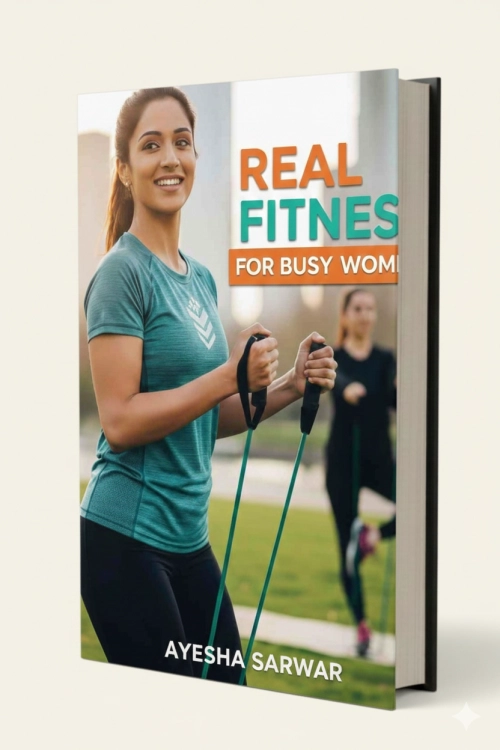
The most important change I made was trading two cardio sessions per week for two strength training sessions. Not giving up cardio — trading it. resistance bands were my first investment because they're cheap, compact, and cover most movement patterns. I later added adjustable dumbbells for more progressive loading. Walking five days a week covered my cardiovascular base. Resistance training three days a week, covering upper body, lower body, and core in rotation, rebuilt the metabolic machinery. Within three months my resting calorie burn had measurably improved.Diet quality needs to be genuinely high, not just "reasonable"
At 30, I could eat "pretty well" and get away with it. At 42, pretty well isn't enough. The calorie margin between maintenance and gain has shrunk. This meant being more deliberate about food choices — not obsessive, but honest. Organic whole foods where practical, minimal processed food, lean protein at every meal, vegetables as the bulk of every plate. A food scale for a few weeks re-calibrated my portion instincts after years of drift. I wasn't eating badly before — I was eating imprecisely, and past 40 the imprecision compounds faster.Staying active outside formal exercise
One insight that changed everything: working out for 45 minutes and then sitting for 14 hours is metabolically similar to not working out at all, in terms of daily calorie burn. Non-exercise activity thermogenesis — all the movement you do outside of deliberate exercise — contributes massively to total daily expenditure. A pedometer helped me see how sedentary my workdays were. Standing while on calls, walking breaks every 90 minutes, taking stairs — these add 3,000–4,000 steps a day that weren't there before and cost nothing except attention.Protecting recovery and immune function
Cutting calories aggressively depresses immune function, especially past 40. This is worth knowing before you decide to eat 1,200 calories a day to speed things up. A moderate deficit — 300 to 500 calories below maintenance — is sustainable and safe. An aggressive one creates fatigue, illness susceptibility, and muscle loss that undermines the whole project. A decent multivitamin fills nutritional gaps created by eating less. It's not a replacement for food quality but it's useful insurance.What I'd skip
I'd skip any programme marketed specifically as "for people over 40" that differs materially from standard good-practice fitness advice — there's usually a premium price attached to ordinary advice with age-specific branding. The fundamentals don't change; the margin for error shrinks. Treat it as a calibration problem, not a special medical situation. **Bottom line:** The body at 40+ is less forgiving of imprecision but responds just as well to sound fundamentals. Resistance training, careful diet quality, daily movement outside the gym, and adequate recovery will shift things — it just takes longer and requires more consistency than it did at 30. Ready to shop? Compare Fitness across stores → 📚 Or browse fitness programs & plans in Digital Goods →📢 Affiliate Disclosure: This article contains affiliate links. We may earn a small commission at no extra cost to you when you click through and purchase.