Exercise-is-not-the-whole-story-but-heres-what-it-contributes

The statistic I wish I'd understood earlier: diet accounts for roughly 80% of fat loss results. Exercise accounts for about 20%. This doesn't mean exercise doesn't matter — it means the effort allocation is wrong for most people who pour everything into workouts and treat the food side as a secondary consideration.
The calories burned vs. calories eaten arithmetic
A 30-minute jog burns about 300 calories. A medium bag of popcorn at the cinema contains about 400. A single large coffee with syrups and full milk contains 300–400. Exercise cannot compensate for dietary imprecision — the numbers don't work. A 500-calorie daily deficit from diet takes a few meal adjustments. Creating the same deficit through exercise alone requires an hour of hard training per day. This doesn't mean give up on exercise. It means stop using exercise as permission to eat whatever you want, because that math reliably doesn't land in your favour.What exercise does that diet doesn't
Aerobic exercise keeps the heart and cardiovascular system healthy in ways that no diet can replicate. It maintains capillary density, improves VO2 max, and reduces resting heart rate. These are protective health factors independent of weight. Strength training with resistance bands or dumbbells preserves lean muscle mass during a calorie deficit. Without it, 25–30% of weight lost comes from muscle, which reduces your resting metabolic rate and means you need to eat less to maintain the new, lighter weight. This is the "yo-yo diet" mechanism: you lose weight, your muscle and metabolism drop, and maintaining the result becomes harder. Exercise also improves mood and sleep quality, which indirectly affects dietary behaviour. People who sleep better are less hungry. People who exercise regularly make better food choices on average. The physical and behavioural effects compound.The kind of exercise that's worth doing
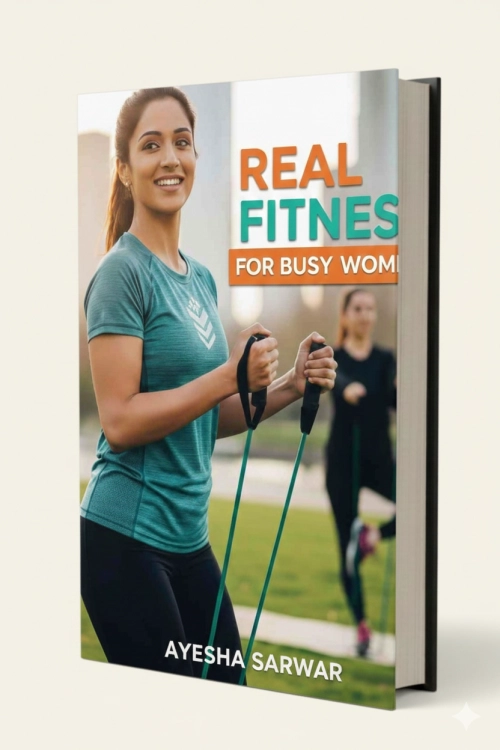
For most people with weight loss as a goal: aerobic activity four to five days a week at a comfortable pace (you can hold a conversation), strength training two to three days a week, and daily unstructured movement (walking, stairs, standing). Find aerobic exercise you actually enjoy. Dancing, tennis, cycling, martial arts, swimming — if you enjoy the activity, you'll do it when motivation is low. If you dread the activity, you'll do it precisely as long as your current motivation level lasts, which is not long enough. A jump rope for 15 minutes is cardio that costs less than a pair of earbuds and can be done in a living room. resistance bands cover the strength training component without a gym membership. The barrier to good exercise habits is mostly friction, not equipment.Small movement additions add up
Taking the stairs instead of the elevator burns more calories per week than most people's formal workouts. Walking an extra ten minutes a day adds 600–700 calories of burn per week. Biking to an errand instead of driving adds another chunk. These additions don't require scheduling, don't cause soreness, and don't require recovery time. They just require the habit of choosing the slightly more active option consistently.What I'd skip
I'd skip any exercise approach that feels like punishment. The research is unambiguous: compliance is the variable that matters most, and people don't comply with things they actively dislike. A 30-minute walk you enjoy every day beats a brutal interval session you do three times and abandon. I'd also skip the idea that you can get lean without touching the diet. It's theoretically possible but requires extreme training volume that isn't sustainable for most working adults. **Bottom line:** Fix the diet first, then add exercise for the muscle-preserving, health-protective, and motivational benefits it uniquely provides. Don't expect exercise to compensate for the food. Use them together and the results compound properly. Ready to shop? Compare Fitness across stores → 📚 Or browse fitness programs & plans in Digital Goods →📢 Affiliate Disclosure: This article contains affiliate links. We may earn a small commission at no extra cost to you when you click through and purchase.