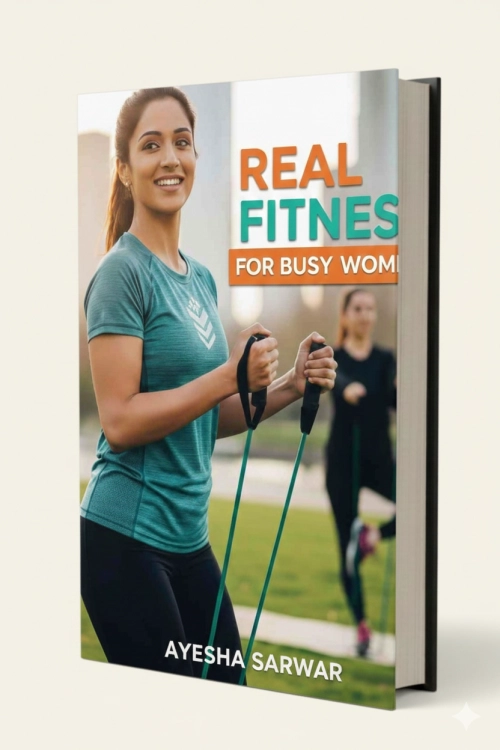
Getting Slim With Minimal Daily Effort — a Realistic Look

The pitch of "ten to fifteen minutes a day" sounds like marketing language, and I was skeptical of it for a long time. But when I stopped comparing it to what I wasn't doing — which was nothing — and started actually doing it, the results were real. Not dramatic, not quick, but real and cumulative. The key is understanding what you're actually doing and why it works at low volume. This is not medical advice, and more effort still produces faster results. This is just the floor, not the ceiling.
Start slow and stay slow enough to continue
The most common mistake at the beginning of any fitness effort is starting too intensely. When enthusiasm is high, it's easy to commit to an hour of exercise daily. That pace is almost always unsustainable for someone starting from zero, and the collapse that follows is more damaging than never starting — because now there's a recent memory of failure attached to the attempt. Starting with ten to fifteen minutes of actual movement — a brisk walk, some jump rope in the garden, a short bodyweight circuit — creates a habit without requiring heroic effort.
The rule of starting slow also applies to adding time. It's much easier to extend a 10-minute habit to 20 minutes than to rescue a dead 60-minute habit. Adding before you've established consistency is the trap.
Cardio you actually choose to do
Exercise you tolerate beats optimal exercise you abandon. I tried cycling for months before accepting I found it boring. Walking worked because I could put in earphones and it didn't feel like work. If you've never liked a particular activity, starting that activity as your fitness intervention is low-probability thinking. Pick something you're at least neutral about. Brisk walking is the most accessible and most durable cardio for most people. It requires only a decent pair of walking shoes, costs nothing to do, and the barrier to starting is essentially zero.

Adding strength without a gym
Bodyweight exercises are under-rated because they're free and look simple. Squats, pushups, lunges, and plank holds require no equipment and genuinely develop strength and muscle tone when done with proper form and progressive resistance. Adding a pair of dumbbells extends the range considerably without requiring more than a corner of floor space. A few sets of these on alternate days — not every day, because recovery matters — added visible change to my arms, legs, and core over the first eight weeks.
The specific movements matter less than consistent effort applied progressively. Adding a rep or an additional set each week is enough overload to drive continued adaptation.
The daily movement principle
When the workout is short enough — 10 to 15 minutes — the argument "I don't have time today" doesn't hold up. That argument ends the habit. A short daily practice survives more of life's interruptions than a longer less-frequent one, which is why the daily frame is worth considering even if the total weekly volume is similar. A workout mat by the bed means the startup friction is essentially zero — I could start without making a decision about going anywhere.

What I'd skip
The temptation to treat the 10-to-15-minute framework as the permanent destination rather than the starting point. It's enough to produce real change in the beginning, especially combined with dietary improvement, but it does have a ceiling. After the first two to three months, increasing either the frequency or the duration of sessions accelerates progress. The minimal approach is a sustainable entry, not a long-term optimization strategy.
I'd also skip anyone telling you that you need a full gym setup to start. A pair of shoes and some floor space is genuinely enough to begin. The equipment can grow with the habit. Starting with a $200 purchase before the habit is established is a classic way to have expensive unused equipment six months later.
Ready to shop? Compare Fitness across stores → 📚 Or browse fitness programs & plans in Digital Goods →