

The Garden Tools Every Gardener Actually Needs (and the Junk)

My garage held about thirty garden tools at its peak. I used roughly eight of them. The other twenty-two were the result of garden-center impulse buys and "as seen on TV" weeding gadgets that promised to change my life and instead changed nothing but my wallet.
Good garden tools are like good kitchen knives — you need a handful of well-made ones, not a wall of specialty gizmos. Here's the honest core kit, built from years of figuring out what actually gets used versus what gathers dust.
The five you reach for every single time
Start here and you can grow almost anything. A quality hand trowel is the tool you'll touch most, so don't cheap out — get one forged from a single piece of metal. The stamped sheet-metal trowels with a welded-on handle bend on the first compacted clod and snap by midsummer. A good one lasts twenty years.
Next, bypass pruners. Bypass, not anvil — bypass blades slice cleanly past each other like scissors and won't crush living stems, where anvil pruners are for deadwood only. A sharp pair handles everything from roses to tomato suckers. Buy a brand you can get replacement blades and springs for, because a quality pair is a buy-it-for-life tool with a little upkeep.
A garden fork beats a tiller for most home plots — it aerates and turns soil without destroying its structure or chopping your worms into pieces. A digging spade with a sharp, flat blade for edging and planting. And a pair of garden gloves that actually fit — the goatskin or synthetic-leather kind with a snug wrist, not the bulky one-size rubber-dipped ones that turn delicate transplanting into fumbling.

The one nobody mentions but everybody should own
The single most useful tool I own isn't on most beginner lists: a hori hori knife. It's a Japanese garden knife with a half-serrated, scoop-shaped blade marked with depth measurements. It digs planting holes, slices through roots, divides perennials, cuts twine, pops weeds out by the taproot, and opens bags of soil. It genuinely replaced four separate tools in my kit, and it lives in a sheath on my belt every time I'm outside.
If you buy nothing else from this article, buy that. It's the tool experienced gardeners quietly swear by and beginners have never heard of.
The body-saving gear that's worth it
Gardening punishes your body in ways that sneak up on you. A kneeling pad or a flip-over kneeler-and-seat is the cheapest comfort upgrade in gardening. I resisted one for years out of some misplaced toughness and my forties talked me into it. Your knees are not negotiable.
For hauling — and you will haul, constantly — a garden cart or a sturdy wheelbarrow saves dozens of trips and a lot of back strain. The two-wheeled garden carts tip less than a single-wheel barrow and are easier to load. And a watering can with a removable rose (the sprinkler head) for the gentle watering that seedlings need before they're tough enough for the hose.
What to leave on the shelf
Now the fun part — the stuff that's pure marketing. Skip the "weed twister" and stand-up weed pullers; a hori hori or a simple garden hoe does it faster and never jams. Skip the multi-tool sets sold as a boxed "garden kit" — the metal is soft, the handles are thin, and you'll replace every piece within a season. Skip electric or battery cultivators for any plot smaller than a quarter-acre; they're expensive, they compact your soil, and a fork does it better without a charge.

Skip novelty seed-spacing rulers, color-coded plant-marker kits, and "ergonomic" trowels with thick plastic grips that are actually harder to control. And be deeply skeptical of anything that claims to do five jobs — the hori hori already does, and it does them well, where the gimmick versions do all five jobs badly.
How to buy so you only buy once
The pattern across everything above: forged over stamped, replaceable parts over sealed units, simple over gadgety. A small kit of well-made tools costs more up front than a bargain bin of twelve, but you buy it once. My eight survivors have outlasted three rounds of the cheap stuff.
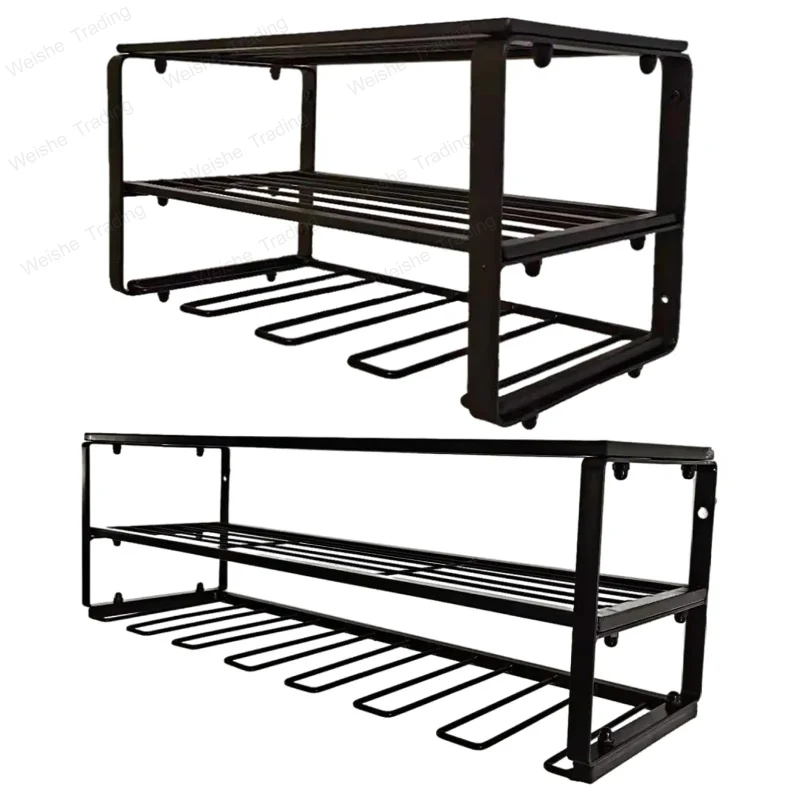
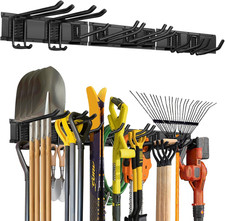
One last thing — buy a cheap garden tool storage rack or bucket caddy and actually hang things up. Half my "lost" tools over the years weren't lost, they were buried in the grass where I'd set them down, rusting. A dry, organized spot is the unglamorous secret to tools that last. Take care of the few good ones and they'll outlast your interest in upgrading them.
Ready to shop? Compare garden tool storage across stores → 📚 Or browse home & garden guides in Digital Goods →